There’s something quietly reassuring about turning on a tap and trusting what comes out. Most of us don’t think twice about it. Water is just… there. But if you pause for a moment and really consider it—what you drink, cook with, bathe in every single day—it suddenly feels like something worth understanding a little better.
I didn’t always care about water quality either. Like many people, I assumed if it looked clear, it must be fine. But then came the odd metallic taste, the stubborn white stains on faucets, and that lingering question: what’s actually in this water?
That curiosity is usually where the journey begins.
The Basics: What’s Really in Your Water?
Water isn’t just H₂O. It carries minerals, chemicals, and sometimes contaminants picked up along the way—from underground sources, treatment plants, and even your home’s plumbing.
Hard water, for instance, contains calcium and magnesium. Not harmful, but annoying. It leaves residue on dishes, dries out your skin, and slowly wears down appliances. Then there’s chlorine, often added for disinfection. Safe in small amounts, sure—but it can affect taste and smell.
And occasionally, depending on where you live, there may be traces of iron, sulfur, or even nitrates. That’s where things get a bit more serious.
Understanding these elements isn’t about paranoia. It’s about awareness. When you begin to learn water treatment basics, you start seeing patterns—why your kettle scales up so quickly, or why your shower leaves your hair feeling… not quite right.
Why One-Size-Fits-All Solutions Rarely Work
Here’s where many people go wrong. They assume a single filter or system will fix everything.
But water isn’t the same everywhere. Even two homes in the same neighborhood can have slightly different water characteristics depending on plumbing, storage tanks, or local supply variations.
That’s why blindly buying a filter—just because it’s popular online—often leads to disappointment.
Think of water treatment like tailoring a suit. You wouldn’t pick a random size and expect it to fit perfectly, right? The same logic applies here. You need solutions based on what your water actually contains.
And that’s where testing becomes important. Not complicated lab work—just simple home test kits or professional checks. Once you know what you’re dealing with, decisions become clearer.
Common Problems You Might Be Ignoring
It’s funny how we normalize small inconveniences. A bit of limescale? That’s normal. Slight odor? Probably nothing. But these little signs often point to underlying issues.
- White spots on dishes → Hard water
- Rotten egg smell → Sulfur presence
- Reddish stains → Iron
- Dry skin after showers → Mineral-heavy water
Individually, they might seem harmless. But over time, they affect everything—from appliance lifespan to personal comfort.
And honestly, once you notice the difference after improving your water, it’s hard to go back.
Choosing the Right Treatment Approach
So what actually works?
Well, it depends. (I know, not the most satisfying answer—but it’s the honest one.)
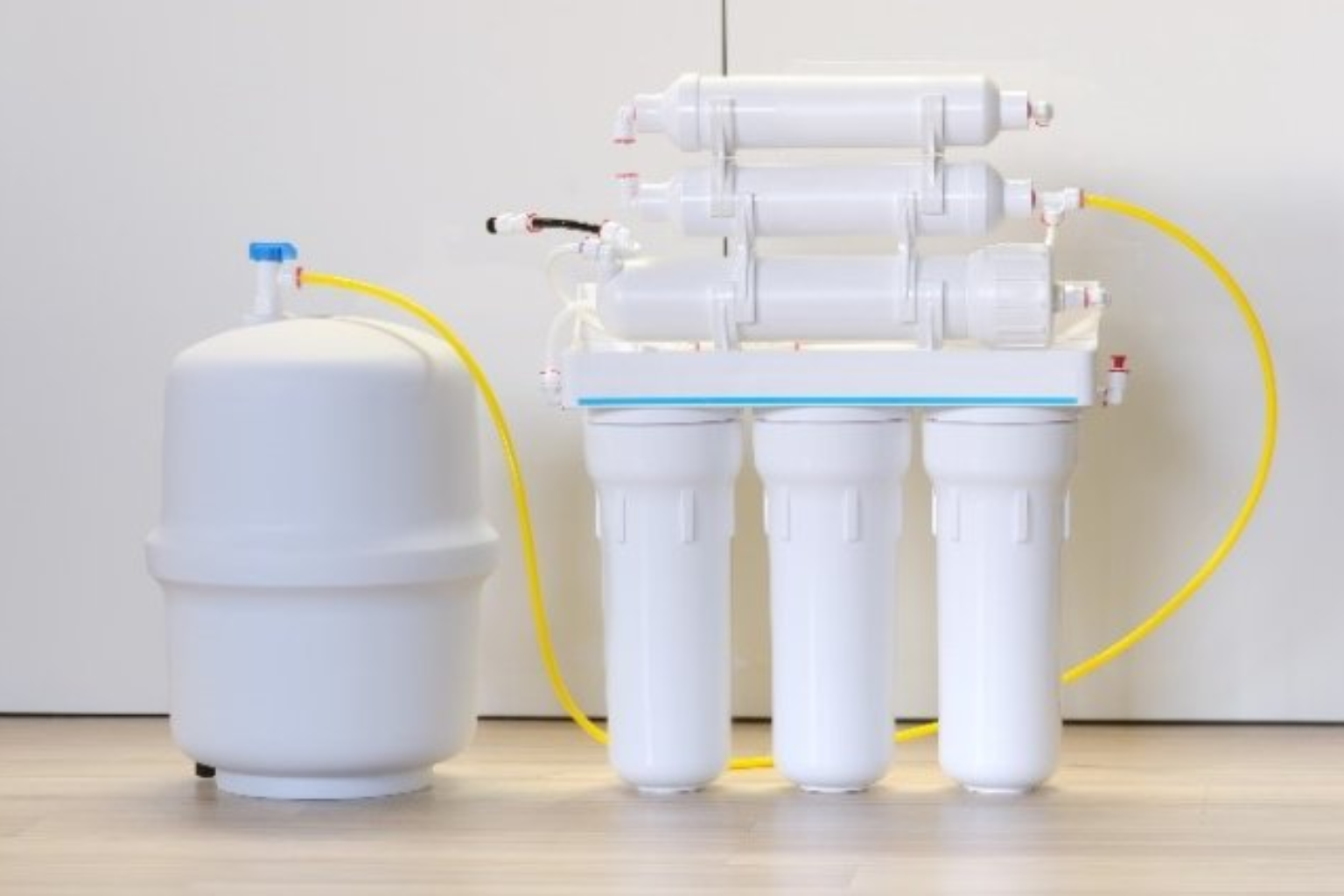
If hardness is your main issue, a water softener can make a noticeable difference. For taste and odor, carbon filters are often enough. Reverse osmosis systems go a step further, removing a wider range of contaminants.
But here’s something people don’t talk about enough: over-treatment can be just as unnecessary as under-treatment.
You don’t always need the most advanced system. You just need the right one.
This is where having tailored home water insights becomes valuable. When you understand your specific water profile, you avoid wasting money on solutions you don’t actually need.
The Subtle Benefits You Don’t Expect
People usually look into water treatment for obvious reasons—taste, safety, or visible issues. But the real benefits? They’re often quieter.
Clothes feel softer after washing. Soap lathers better. Your morning tea tastes… cleaner, somehow. Even your skin notices the difference, though it might take a few days to realize why.
And then there’s the long-term impact. Appliances last longer. Pipes stay cleaner. Maintenance costs quietly drop.
It’s not dramatic. No big “wow” moment. Just a steady improvement in everyday life.
Is It Worth the Effort?
That depends on how you define “worth.”
If you’re someone who values small daily comforts, then yes—it absolutely is. Water touches nearly every part of your routine. Improving it, even slightly, has a ripple effect.
But even from a practical standpoint, understanding your water helps you make smarter decisions. You avoid unnecessary expenses, prevent damage, and gain a bit more control over your environment.
And let’s be honest—there’s something satisfying about knowing what’s going into your body and your home.
A Thought to Leave You With
Most of us spend time researching phones, cars, even mattresses. We compare features, read reviews, and think carefully before making decisions.
But water? Something we use every single day? It rarely gets the same attention.
Maybe it should.
You don’t need to become an expert overnight. Just start with curiosity. Ask questions. Notice changes. Pay attention to the small details.
Because once you begin to understand your water, you don’t just improve it—you start appreciating it in a way you never did before.