Category: Home Services

  • When the Cool Air Stops: Navigating AC Issues Like a Pro

    When the Cool Air Stops: Navigating AC Issues Like a Pro

    It’s one of those days. You’re finally home after slogging through relentless traffic, the sun’s still beating down like it has a personal vendetta, and all you want is a blast of crisp, cold air. But instead, your AC wheezes, grumbles, and throws out a weak puff of lukewarm nothingness. Yeah, we’ve all been there—and it sucks.

    Before you spiral into panic mode and call every HVAC technician within a 10-mile radius, let’s take a moment to understand what could be going on. Diagnosing AC issues isn’t always rocket science, and a little knowledge might save you both time and money.


    The Subtle Art of Listening to Your AC

    Believe it or not, your air conditioner talks to you. Not in creepy whispers or cryptic beeps, but through its behavior. It rattles, groans, blows odd smells, or simply doesn’t cool like it used to. These are the cries for help, and if you pay attention, you can often catch a problem before it becomes a full-blown crisis.

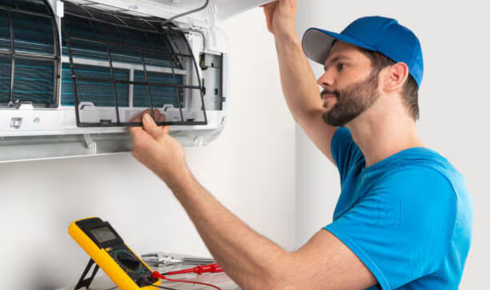
    This is where cooling system diagnosis plays a pivotal role. It’s not just about poking around the unit—it’s about understanding airflow, refrigerant levels, coils, filters, thermostats, and even the electrical circuitry. Think of it like your AC’s health check-up. You wouldn’t ignore chest pain or blurry vision, right? Your AC deserves the same proactive approach.


    The Usual Suspects Behind AC Meltdowns

    Most AC breakdowns aren’t random. There’s usually a trail of breadcrumbs leading to the cause.

    • Clogged air filters: Often the simplest culprit. A dirty filter restricts airflow, making your system overwork and under-deliver.
    • Low refrigerant: This one’s a biggie. If your refrigerant is leaking or insufficient, your AC can’t cool properly, period.
    • Thermostat issues: Sometimes it’s not the AC at all—it’s your thermostat being out of calibration or placed in a spot where it reads temps wrong.
    • Dirty condenser coils: Located outside, these coils disperse heat. If they’re coated in grime, your system has to work overtime.
    • Frozen evaporator coils: Ironically, freezing coils prevent cooling. It’s usually due to poor airflow or low refrigerant.
    • Tripped circuit breakers: Electrical hiccups are common, especially in older systems.

    Every one of these issues is addressable, but they require the right approach—not blind guesswork.


    When Your AC Gives Up: Smart First Steps

    It’s tempting to slam buttons on the remote and yell “Fix yourself!” when your unit fails. (Spoiler: it won’t.) Instead, here are some human-friendly steps to try first:

    1. Check the thermostat settings – Is it on “Cool”? Is the temperature set right? It sounds basic, but you’d be surprised.
    2. Inspect the filter – A quick visual check can reveal if it’s clogged.
    3. Look at the outdoor unit – Is it running? Is there visible debris?
    4. Listen for strange noises – Grinding, hissing, or banging? Jot it down or record it.
    5. Reset the circuit breaker – Sometimes, the simplest fix works.

    If none of this works, that’s when you start thinking about ac breakdown solutions tailored to your situation.


    Finding the Right Solution (Without Breaking the Bank)

    Here’s the thing: not all breakdowns require a technician. Some just need routine maintenance or simple fixes like filter replacement or coil cleaning. Others, though, involve refrigerant recharge, electrical repairs, or replacing worn-out parts.

    DIY is fine for basic maintenance, but complex issues like electrical diagnostics or refrigerant handling? Leave it to the pros. Not only because of safety, but because your AC warranty might depend on it.

    And here’s where things get tricky—you don’t want to be the person who ends up overpaying for mediocre service. You need a trusted ac service provider. One that doesn’t upsell you on unnecessary replacements or vanish after a hasty fix. Read reviews. Ask friends. Look for certifications. Don’t just go with whoever promises to “come in 10 minutes” but shows up five hours later with zero tools.


    Prevention is Cooler Than Cure

    You know the old saying: “An ounce of prevention is worth a pound of cure.” That couldn’t be truer for air conditioning systems. Regular maintenance not only extends your AC’s lifespan, but it also saves energy—and energy means money.

    Here’s a simple, realistic maintenance checklist:

    • Change filters every 1–2 months (more often if you have pets)
    • Clear debris from outdoor units
    • Schedule professional inspection twice a year
    • Check refrigerant levels annually
    • Inspect ductwork for leaks

    Yes, it’s a bit of a chore. But compare that to baking in a 100°F room with a dead unit, and suddenly maintenance seems like a walk in the park.


    It’s Okay to Not Be an HVAC Genius

    Let’s be honest: not everyone’s cut out to be a home repair hero. And that’s okay. We’re not all meant to tinker with fuses and fan motors.

    What matters is knowing enough to recognize when something’s off—and having the common sense to act early. Waiting until your AC fully collapses in the middle of summer is like waiting to go to the dentist when your tooth’s already cracked. Painful. Expensive. Avoidable.

    Your AC doesn’t expect you to become a technician. It just wants a little love, regular check-ins, and someone who listens when it starts acting up.


    Wrapping It Up: Keep Your Cool, Literally

    So, the next time your air conditioning goes rogue, don’t panic. Start with a little observation, try a couple of safe checks, and then bring in the right people if needed. A methodical approach beats random guesswork any day.

    A comfortable, cool home isn’t just about luxury—it’s about well-being. And in the middle of a blistering heatwave, it’s nothing short of essential.

    Whether you’re handling a mystery noise or full system failure, just remember: your AC’s not out to get you. It’s just trying to say, “Hey… I need a little help over here.”

  • Water That Works for You: Making Every Drop in Your Home Cleaner, Safer, and Better Tasting

    Water That Works for You: Making Every Drop in Your Home Cleaner, Safer, and Better Tasting

    We don’t always give water the attention it deserves. It’s just… there. Flowing from our taps, filling our bottles, brewing our coffee. But have you ever stopped to wonder what’s actually in it? Or why it sometimes smells like a swimming pool or tastes a bit metallic? If you’ve been brushing off those questions, now might be the time to lean in.

    Because clean, delicious water isn’t a luxury—it should be the norm.


    The Reality Behind “Safe” Water

    Most people assume that if water is legal, it’s healthy. Unfortunately, “legal” and “ideal” don’t always line up. Water regulations are based on outdated science, often allowing trace contaminants, microplastics, or leftover treatment chemicals to slip through the cracks. That’s why so many homes—urban and rural alike—struggle with water that’s technically drinkable but still not quite right.

    This is where residential water quality comes into sharper focus. It’s not just about avoiding illness. It’s about optimizing health, comfort, and even the performance of your appliances.


    Why Taste Matters More Than You Think

    It might seem silly to worry about how water tastes. It’s water, right? But if you’ve ever sipped from a clean mountain spring or cracked open a bottle of high-end mineral water, you know the difference. There’s a crispness. A lightness. It actually feels good going down.

    The same can happen at home—with the right setup. When you filter out harsh minerals, chlorine, and other odd-tasting elements, your water naturally becomes smoother, cleaner, and yes—more enjoyable. And suddenly, you’re drinking more. Staying better hydrated. Feeling more energized. That’s the quiet magic of better tasting water—it just makes you want more of it.


    The Science Behind Real Filtration

    There’s a lot of buzz out there about water filters. Pitchers, tap attachments, whole-house systems. But the real game-changer? RO—Reverse Osmosis.

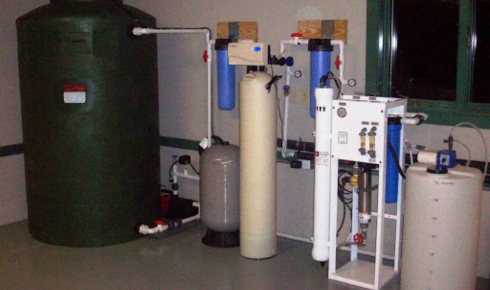
    RO membrane filtration is like the brain surgeon of the water world. It doesn’t just trap the obvious stuff—it removes microscopic threats like lead, arsenic, fluoride, and nitrates. Water is pushed through a semipermeable membrane that filters out even the tiniest contaminants. What you’re left with is water in its purest form.

    It’s not just cleaner—it’s trustworthy. And that trust? That’s priceless.


    Everyday Perks You Can Feel (And See)

    Improving your home’s water doesn’t just impact what you drink. It changes how your whole household functions.

    • Your skin feels softer after showers.
    • Your hair becomes less brittle.
    • Your coffee tastes richer.
    • Your ice cubes are clearer.
    • Your dishes sparkle without spots.
    • Your washing machine runs more efficiently.

    These aren’t dramatic, overnight transformations—but they’re real. And they add up to a home that simply feels fresher, smoother, and more aligned with your values.


    But What If You’re On City Water?

    Don’t let the word “municipal” lull you into complacency. City water is treated to meet general safety standards, sure—but that treatment often involves chlorine or chloramine. These chemicals kill bacteria but leave behind odor, taste, and long-term exposure concerns. Plus, they don’t remove metals, microplastics, or PFAS (those pesky “forever chemicals”).

    This is why more families—yes, even in urban neighborhoods—are investing in personalized water treatment. Not out of fear, but out of self-care. You shouldn’t have to guess whether your water is good for you.


    Getting Started Without Getting Overwhelmed

    It’s easy to feel overwhelmed when you dive into water solutions. There are so many brands, specs, and “must-have” features. But don’t let that noise scare you off.

    Start simple:

    1. Test your water. You can buy a DIY test or have a pro take a sample. Knowing your baseline helps you make smarter decisions.
    2. Set your goals. Want better taste? Cleaner showers? Healthier drinking water? There’s a solution for every goal—and budget.
    3. Consider professional help. A water expert can walk you through the noise and match your needs with the right setup.

    This isn’t about fear. It’s about facts. About making your home work better for you and your family.


    Final Thoughts: A Healthier Home Starts With Water

    Think of water as the foundation of everything else—your cooking, your hygiene, your hydration, your health. If it’s off, everything else is subtly off too. But when it’s right? Everything just clicks.

    Whether you’re filtering for flavor, safety, or peace of mind, one thing’s clear: good water changes everything. It’s not flashy. It’s not trendy. But it’s essential.

  • What’s That Smell? Solving Water Odor Issues Without Losing Your Mind (or Wallet)

    What’s That Smell? Solving Water Odor Issues Without Losing Your Mind (or Wallet)

    It usually starts with something small. Maybe it’s the shower smelling a little… funky. Or your tea tastes off, even though the mug’s clean. You sniff the tap. Then again. And that’s the moment it hits you—something’s definitely wrong with your water.

    Now, most of us don’t grow up dreaming of becoming water quality experts, so when something like this happens, it feels overwhelming. Should you panic? Call a plumber? Replace the water heater? Or just light a candle and ignore it?

    Take a breath. Let’s walk through this together—the way a real person would.


    You’re Not Imagining Things: Yes, Your Water Can Smell Weird

    First off, you’re not crazy. Water shouldn’t smell like rotten eggs, metal, chlorine, or musty old towels. But sadly, these smells aren’t that rare. Many homeowners across the country are dealing with local water problems that stem from things like mineral buildup, old plumbing, bacterial contamination, or even seasonal changes in water supply treatment.

    And yeah, it’s more than just an annoyance. Smelly water messes with your confidence in your home. You might avoid drinking it, cooking with it, or even showering in it (we’ve heard the horror stories). That’s no way to live.


    The First Step? Don’t Guess. Get Help.

    There’s a huge difference between randomly replacing parts of your plumbing and actually solving the issue. That’s why your first move should be booking an expert water diagnosis. Not a guess, not a Google search spiral, but a real, tailored analysis of your water.

    Professional diagnosis means someone actually tests what’s coming out of your taps. They’ll look for common troublemakers like sulfur (hello, rotten egg smell), iron, manganese, chlorine overload, or bacteria. Then they’ll help you figure out where the problem is coming from—your water source, your plumbing, or something in between.

    And the best part? Once you know what you’re dealing with, the fix gets a whole lot easier—and usually cheaper too.


    Not All Smells Are the Same

    Here’s something most folks don’t realize: different smells mean different problems. A sulfur smell? Probably hydrogen sulfide. Metallic tang? Could be iron or copper. A bleachy vibe? That’s likely chlorine. Musty or earthy smells might come from bacterial growth in pipes or filters that need changing.

    Knowing which smell is showing up (and where—hot water only? Just one faucet?) can help narrow down the source. And if you’re on well water, you might have different challenges than someone on a city supply. Again, another reason a diagnosis is a solid move before throwing money at guesswork.


    Let’s Talk Solutions That Actually Work

    Now that you’ve pinpointed the issue, it’s time to fix it—for good. This is where odor reduction systems come in. And no, we’re not talking about just masking the smell with lemon-scented cleaners or countertop filters.

    Real odor reduction might include:

    • Activated carbon filters – great for chlorine and organic smells
    • Anode rod replacement in water heaters – a big win for hot water smells
    • Oxidizing filters – useful for sulfur, iron, and manganese
    • Aeration or chlorination systems – particularly helpful for well owners
    • UV purification – if bacteria’s the problem

    Some homes need just one fix. Others might need a combo. But the right system will not only make your water smell normal again—it’ll improve taste, protect appliances, and just make your home feel more… well, clean.


    It’s Not Just About Water—It’s About Peace of Mind

    Smelly water can feel embarrassing. You don’t want to explain to guests why your tap water smells like a fart (sorry, but let’s be honest). You don’t want to constantly be buying bottled water or running every glass through a Brita. You just want to live comfortably, confidently, and without second-guessing your water.

    And it’s not unreasonable to expect that. In fact, it’s essential.

    This stuff touches everything—your food, your skin, your laundry, your kids. So no, you’re not being picky by wanting it fixed. You’re being smart.


    A Local Problem Needs a Local Fix

    Don’t forget—what works in one part of the country might not work in another. That’s why it’s crucial to find someone who understands local water problems, not just a national chain peddling the same solution everywhere.

    Water quality varies wildly based on geography, treatment methods, season, and even the pipes in your neighborhood. A good local expert will know what’s common in your area and tailor a fix that actually works.

    It’s like buying winter boots in Minnesota vs. flip-flops in Florida. Context matters.


    Final Thoughts: Trust Your Nose (and Then Do Something About It)

    If something smells wrong, something is wrong. Don’t ignore it. Don’t let it become your new normal. And definitely don’t assume it’ll magically fix itself.

    Start by calling in for an expert water diagnosis. Ask about odor reduction systems built for your issue. Make sure your provider understands local water problems so you’re not throwing solutions at the wall and hoping one sticks.

  • When Your Water Tastes or Smells Like Eggs: What It Means & How to Fix It

    When Your Water Tastes or Smells Like Eggs: What It Means & How to Fix It


    Let’s be real — nothing ruins a refreshing glass of water faster than an unexpected, funky smell or taste. You’re thirsty, you take a sip, and boom — your mouth is filled with a flavor that can only be described as… eggs. Not the good kind either. More like sulfur, like something went a little off.

    If you’ve noticed your water tastes like eggs, or even if just the smell makes you hesitate, you’re not alone. It’s surprisingly common, and thankfully, usually solvable once you figure out the root of the problem. So let’s talk about what’s going on, why it happens, and what you can actually do about it.


    First: What’s Causing That Eggy Taste or Smell?

    The most likely culprit? Hydrogen sulfide gas. That’s the stuff that gives off the unmistakable “rotten egg” odor — and yes, it can sometimes affect taste, too. This gas is produced either naturally from decaying organic material (underground or in plumbing) or by bacteria that feed on sulfur in your water supply.

    In some homes, the source might be your well. In others, it could be your water heater, old pipes, or even the municipal supply on a bad day. And yeah, it’s pretty gross — even if it’s not technically harmful in small amounts.

    Sometimes, the smell is stronger when hot water is involved, and other times it’s noticeable in cold water too. Either way, if your water tastes like eggs, something’s up.


    Is It Dangerous?

    Generally speaking, hydrogen sulfide in low concentrations is more of a nuisance than a health threat. It’s safe to drink in small amounts, though the smell and taste can be off-putting enough to make you avoid it altogether.

    That said, in higher levels, it can corrode pipes, damage appliances, and — in rare cases — make you sick. If the smell is very strong or persistent, it’s worth testing your water to rule out other contaminants.


    Now Let’s Talk About Bottled Water (Yes, It Happens There Too)

    You might think bottled water is immune to this kind of thing — after all, it’s sealed, filtered, and supposedly pure. But if you’ve ever opened a bottle and immediately wrinkled your nose, you’ve probably wondered why your bottled water smells like rotten eggs.

    Here’s the deal: some bottled waters are sourced from natural springs, which can naturally contain trace amounts of sulfur. It’s usually below the taste/smell threshold, but if a bottle has been sitting in a warm warehouse or your car for too long, gases can concentrate and create a noticeable odor when opened.

    Also, some plastic bottles can react subtly with water over time — especially if exposed to heat — and amplify any natural odors. So if your bottled water smells weird, toss it. It’s not worth drinking water that grosses you out, even if it’s not technically unsafe.


    What About Tap Water That Smells Like Eggs?

    Now, if your water smells like eggs right out of the faucet, you’ve got a few more options to consider. The smell could be coming from:

    • The water heater: Sulfur bacteria can grow inside the tank and react with magnesium or aluminum anode rods, producing hydrogen sulfide.
    • Well water: Deeper wells sometimes tap into areas with decaying organic matter, where naturally occurring hydrogen sulfide lives.
    • Municipal sources: Occasionally, the main supply may pick up sulfur compounds, especially after maintenance or flooding.
    • Plumbing: Bacteria living in your pipes, especially if you don’t use certain taps often, can also be the culprit.

    Want to test where it’s coming from? Try filling a glass of water from both the cold and hot tap. Let them sit for a minute. If only the hot water stinks, the issue is probably in your heater. If both do? Your source water could be the problem.


    Fixes You Can Try at Home

    Here are a few real-life solutions — no plumber jargon, just what actually works:

    1. Flush Your Water Heater

    If the smell only comes from hot water, draining and flushing your water heater can sometimes clear it up. Doing this once a year is good maintenance anyway.

    2. Replace the Anode Rod

    If flushing doesn’t help, the magnesium rod in your heater might be feeding the bacteria. A zinc or aluminum-zinc rod often fixes the smell.

    3. Shock Your Well

    Well owners can perform a shock chlorination treatment — essentially “bleaching” the system to kill off sulfur-reducing bacteria. Just be sure to follow directions closely or hire a professional.

    4. Install Filters

    Activated carbon filters can remove small amounts of hydrogen sulfide from drinking water. For larger issues, oxidizing filters or aeration systems might be more effective.

    5. Check Unused Faucets

    Run water through guest bathrooms or rarely used sinks. Standing water in pipes can go stale, allowing bacteria to grow.


    Prevention Tips to Keep Things Smelling Fresh

    • Don’t leave reusable bottles with water in hot cars or windowsills
    • Clean bottles thoroughly — caps, seals, threads — not just the main chamber
    • Use filtered or boiled water in bottles if you suspect your source water has sulfur
    • Keep your water heater well-maintained and flushed annually
    • Test your well water regularly for bacteria, sulfur, iron, and pH

    Staying proactive can save you a lot of stink (and stress) in the long run.


    Final Thoughts: Trust Your Senses, Then Take Action

    Water should be refreshing, clean, and — most of all — odorless. If yours suddenly tastes like boiled eggs or makes you gag the second you twist open the bottle, it’s not something to ignore. It might not be dangerous, but it’s definitely not normal.

  • The Hidden Power Beneath Your Feet: Why Geothermal Systems Are the Future of Sustainable Comfort

    The Hidden Power Beneath Your Feet: Why Geothermal Systems Are the Future of Sustainable Comfort

    It’s funny how some of the most powerful solutions are the ones we literally walk over without noticing. That’s geothermal energy for you—quiet, reliable, and tucked away underground. While solar panels and smart thermostats often steal the spotlight, geothermal systems have been quietly proving they’re one of the best choices for homeowners who want real comfort without compromising the planet.

    If you’re just starting to explore what sustainable home heating and cooling looks like beyond the buzzwords, you’re in for a surprise. Let’s dig in (pun absolutely intended).


    The Ground Is Steady, Even When the Weather Isn’t

    One of the coolest things about geothermal HVAC? The temperature just a few feet underground remains fairly stable all year long. It doesn’t care if it’s a blistering summer or a polar vortex kind of winter—underground, it’s always hanging out around 50 to 60°F. That’s the sweet spot geothermal systems use to do their thing.

    Instead of generating heat or cold air from scratch (like traditional furnaces or ACs), geothermal taps into this underground goldmine and simply moves heat in or out of your home, depending on the season. That means more efficiency, less energy waste, and way fewer headaches.


    Comfort That Doesn’t Come at the Planet’s Expense

    We’re living in a time where choosing eco-conscious options isn’t just a trend—it’s becoming a necessity. And geothermal? It’s arguably the MVP of green home upgrades. Why? Because it dramatically reduces your carbon footprint, doesn’t rely on combustion, and uses minimal electricity to operate.

    In fact, the Environmental Protection Agency has stated that geothermal heat pumps are among the most energy-efficient and environmentally clean HVAC systems available. Now that’s high praise. So if you’ve been hunting for an eco-friendly HVAC solution that actually walks the talk, geothermal should be on your radar.


    The Smooth Ride (and the Bumps) of Owning a Geothermal System

    Living with geothermal is kind of like upgrading from a flip phone to a smartphone—you don’t realize how clunky things were until you make the switch. The air feels smoother. The temperatures are more consistent. And your utility bills? Let’s just say they might become significantly less painful to open.

    But (and there’s always a but), it’s not a zero-maintenance system. Just like any HVAC setup, things can go wrong. Maybe the underground loops spring a leak. Maybe the compressor wears out over time. That’s when you’ll need a professional who knows their way around geothermal repair—and not every technician does.

    Repairs aren’t frequent, but when they’re needed, it’s crucial to hire someone who truly understands how these systems work. The good news? Most issues are minor, especially if you’ve been keeping up with your regular check-ins.


    Costs, Incentives, and What the Long Game Looks Like

    Let’s not sugarcoat it—installing a geothermal system costs more upfront than traditional HVAC. But (and this is a big “but”), the long-term savings are massive. Homeowners report slashing their heating and cooling bills by as much as 70%. And when you factor in available tax credits and rebates, the payback window gets even tighter.

    If you’re planning to stay in your home for the long haul, geothermal isn’t just a good investment—it’s a no-brainer. It pays you back in comfort, in energy savings, and in peace of mind.


    What Makes It So Sustainable Anyway?

    Sustainability isn’t just about using less energy—it’s about how you use it. Geothermal systems draw from a renewable energy source that doesn’t get depleted: the earth’s natural temperature. This makes it a top-tier option in the world of sustainable heating and cooling.

    Because the system moves heat instead of generating it, energy use is drastically reduced. Combine that with a system that lasts longer than traditional setups (up to 25 years for indoor components and 50+ for underground loops), and you’ve got a solution that not only reduces waste but also reduces the need for frequent replacements. Less equipment going to landfills = a happier Earth.


    The Silent Performer (Literally)

    Traditional HVAC systems have their own distinct presence. They rumble on. They blow cold air with a vengeance. And when they kick into gear, you can hear it from a room away.

    Geothermal is the polar opposite. It’s whisper-quiet. No outdoor condenser to buzz during summer barbecues. No furnace that roars to life at 3 a.m. It just… works. Quietly. Consistently. Reliably.

    For many homeowners, that alone is worth the switch.


    Who Should Seriously Consider Going Geothermal?

    Not every property is a perfect fit for geothermal. If you live in a condo on the tenth floor, well, it’s probably not your best option. But if you’re in a single-family home—especially one with some yard space—geothermal is 100% worth considering.

    New builds are the best-case scenario (installing the system during construction saves a ton of hassle), but retrofits can absolutely work too. Especially if you’re already facing a major HVAC replacement and want to make a smarter, long-term move.


    Final Thoughts: The Future Is Beneath You

    Look, we’re all trying to do better—for our homes, our wallets, and the planet. And sometimes, that means looking down instead of up. Geothermal systems aren’t flashy. They won’t win beauty contests. But they’re powerful, quiet, and brilliantly simple.

  • Drink Clean, Live Better: Why Filtration Systems Deserve a Place Under Every Sink

    Drink Clean, Live Better: Why Filtration Systems Deserve a Place Under Every Sink

    Ever taken a sip of tap water and wondered what invisible stuff might be swimming in it? Yeah, same here. It’s a thought that creeps into your mind more often than not, especially when that water smells faintly of chlorine or tastes just a bit…off. It’s 2025, and honestly, we shouldn’t still be questioning what’s coming out of our own faucets. That’s where proper filtration steps in—not just a jug filter, but something smarter, more permanent, more—well, evolved.

    Let’s talk real-world water problems. Because while bottled water might seem like a solution, it’s neither sustainable nor economical in the long run. And those plastic pitchers with a replaceable carbon filter? They barely scratch the surface. What most homes need is something dependable and out of sight, like under sink systems that do the job quietly but effectively. These are the unsung heroes of modern kitchens.


    The Case for Clean: Why Filtration Isn’t Optional Anymore

    Clean water isn’t a luxury. It’s a fundamental need. And yet, depending on where you live, what comes out of your tap might contain traces of lead, pesticides, bacteria, or even pharmaceutical residues. Gross, right? But it’s not about scare tactics. It’s about awareness.

    People are waking up to the fact that their tap water, while technically “safe,” might not be ideal. And if you’re someone who pays attention to health, nutrition, or just wants to protect your kids or pets from unwanted exposure, investing in high quality filtration isn’t just a smart choice—it’s common sense. It’s like brushing your teeth daily: a small effort that prevents major problems down the line.


    Not All Filters Are Created Equal

    Let’s get one thing straight: all filters are not the same. You’ve got basic carbon filters that improve taste and odor, sure. But if you’re after actual contaminant removal—like heavy metals, microplastics, fluoride, or bacteria—you need to level up.

    Here’s where it gets interesting. Many under sink systems go beyond standard carbon filtering. Some use multi-stage filters, combining activated carbon with sediment filtration, reverse osmosis, or even UV purification. These compact setups stay tucked away beneath your counter, quietly purifying gallons of water every day. No noise, no fuss—just better water every time you turn the tap.


    Taste the Difference. Literally.

    We’ve all had that moment where we take a sip of water and recoil because something’s just off. Maybe it’s metallic. Maybe it’s chalky. Maybe it just tastes old. With proper filtration in place, that experience becomes a thing of the past.

    People often report that their coffee suddenly tastes better. Their food has more clarity. Their skin feels less irritated after washing. And the dog? Even he starts drinking more water. It’s like your entire household perks up once the water quality improves. And yes, even ice cubes look clearer.


    Tech Meets Tap: The Rise of Smarter Filters

    Filtration has come a long way from clunky setups that needed a plumber and a manual thicker than a phone book. Today’s systems are sleeker, easier to maintain, and surprisingly smart. Some even come with Bluetooth connectivity or app-based monitoring to tell you when it’s time to change filters.

    This evolution in advanced filtration technology has made clean water more accessible than ever. You don’t need a science degree or a hefty renovation budget. You just need a little curiosity and the willingness to upgrade your habits. Filters today are modular, installable without a pro, and designed to integrate seamlessly into your routine.


    A Hidden Upgrade with Visible Benefits

    Here’s the beauty of installing an under-sink filter: it doesn’t change your kitchen’s aesthetics. No bulky units on your countertop. No complicated contraptions hanging off your faucet. Just a sleek tap or dispenser (sometimes built into your main faucet) and crystal-clear water on demand.

    The impact, though, is anything but subtle. Fewer plastic bottles cluttering your recycling. A sudden decrease in skin sensitivity. Better-tasting meals. Guests asking, “What kind of water is this?” without realizing it’s just your tap—only better.


    Thinking Long-Term: The Cost of Doing Nothing

    Let’s be honest. Good filtration isn’t dirt cheap upfront. But think long-term. Calculate what you’re spending on bottled water monthly. Add in the medical costs of recurring skin irritation or digestive issues caused by trace contaminants. Consider the environmental toll of plastic waste.

    Suddenly, that $200–$400 investment doesn’t seem so steep, does it?

    Plus, most systems pay for themselves in under a year. Filter cartridges last anywhere from six months to a year depending on use. And maintenance? Usually a five-minute job every few months. It’s one of those upgrades that doesn’t just pay off—it keeps paying dividends year after year.


    Real Talk: What to Look for When Buying

    So, what should you look for? Not just fancy branding or influencer hype. Read the certifications. Look for filters certified by NSF/ANSI for removing specific contaminants. Think about your household’s needs—do you want a fluoride filter? Are you on well water or municipal?

    Some under-sink systems are great for chlorine-heavy tap water. Others are geared toward bacterial filtration. And still others include remineralization stages to add healthy minerals back into the water. There’s no one-size-fits-all—only the one that fits your needs best.


    The Quiet Revolution in Clean Water

    Water is, quite literally, life. And yet, it’s one of the most overlooked aspects of modern wellness. We obsess over organic food, clean skincare, and non-toxic cleaning supplies—yet forget the very water we cook, clean, and hydrate with.

    But there’s a quiet revolution happening. More people are tuning in. More homes are installing filters. And more conversations are being had about what we shouldn’t be drinking, even if it comes from the tap.

    With under sink systems becoming more refined, more affordable, and more powerful, there’s no better time to make the switch. Think of it as a gift to your future self—one glass at a time.


    Wrapping It Up (With a Clean Glass in Hand)

    So here’s the deal. You don’t need to become a water quality expert overnight. But a little awareness goes a long way. Once you experience the taste, the ease, the peace of mind—going back to unfiltered tap water just isn’t an option anymore.

    We’re not talking about luxury. We’re talking about the new standard. And thanks to high quality filtration, that standard is finally within reach for everyday households. No fuss. No gimmicks. Just water, the way it should’ve always been.

  • Modern Water Wisdom: Why Smart Homes Should Care About Water Treatment, Disinfection & Daily Habits

    Modern Water Wisdom: Why Smart Homes Should Care About Water Treatment, Disinfection & Daily Habits

    It’s funny, isn’t it? We obsess over our phones, fitness trackers, and home security systems—yet the water that runs through our homes, touches our food, and hydrates our bodies often gets overlooked. Maybe it’s because we just expect it to be safe. Clear. Tasteless. Reliable. But the truth? Water isn’t always as trustworthy as it looks.

    We’re living in an era of sensors, data, and “smart everything,” so it only makes sense that water treatment has finally joined the conversation. But unlike trendy tech gadgets, this shift is less about bells and whistles—and more about health, home life, and not taking clean water for granted.

    Let’s dive in.


    From Tap to Tech: How Water Became a Household Priority

    Years ago, installing a water softener or purifier felt like a luxury—something only picky people or those with visible rust stains would consider. But today? With aging infrastructure, rising concerns about contamination, and growing awareness of waterborne illness, more people are starting to take control.

    Water quality has become less of a passive assumption and more of a conscious choice.

    Enter smart filtration. Enter self-monitoring systems. Enter empowered homeowners.


    The Rise of Self-Monitoring Water Systems

    Imagine this: You get a text saying your water usage just spiked. Or maybe an app pings to let you know it’s time to replace your filter—not because of some generic schedule, but because it’s actually showing signs of wear.

    That’s what self-monitoring water systems do. They track performance in real-time—flow rate, pressure, filtration effectiveness—and alert you to changes before a problem becomes, well, a problem.

    It’s not about making life complicated. It’s about making sure something as vital as water never becomes an afterthought.

    If your thermostat can adjust itself when you leave for work, shouldn’t your water know when it’s not doing its job?


    Hidden Enemies: What Lurks in Your Everyday Water

    Most people assume clear water = clean water. But invisible threats can include:

    • Chlorine byproducts
    • Bacteria and viruses
    • Lead and other heavy metals
    • Microplastics
    • PFAS (a.k.a. “forever chemicals”)

    And these nasties don’t just affect what you drink—they impact the way you clean, bathe, cook, and even how your clothes and dishes come out.

    That brings us to something people rarely think about: the link between water quality and household appliances.


    Your Appliances Deserve Better Water, Too

    Ever wondered why your coffee machine breaks down too soon? Or why your clothes don’t come out quite soft, even with fancy detergent? It might not be the gadget—it might be your water.

    Hard water, which carries excess calcium and magnesium, can gunk up washing machines, dishwashers, kettles, and even HVAC systems. Over time, this buildup lowers efficiency, shortens appliance lifespan, and increases energy use.

    The simple fix? Improve your water before it ever hits your machines. Protecting your household appliances is a downstream benefit of upstream wisdom.


    Let’s Talk Disinfection: Safety Beyond the Tap

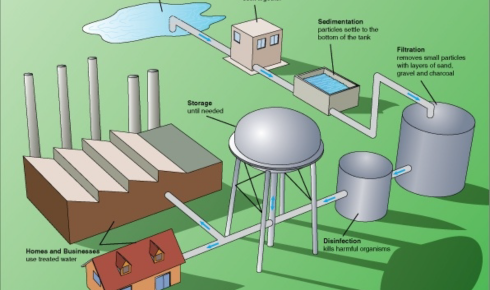
    When people think of clean water, they often just think “filtered.” But that’s only part of the puzzle. Disinfection is the other half.

    While filtration removes particles, disinfection handles what you can’t see: bacteria, viruses, and pathogens that can wreak havoc on your health. Think E. coli, Legionella, Cryptosporidium. Yeah, not exactly things you want in your smoothie.

    Options include UV disinfection systems (which zap microbes with light), chlorination (common but sometimes overused), and advanced ozone treatments.

    Choosing the right disinfection method depends on your source water and usage habits—but one thing is clear: filtering without disinfecting is like washing your hands with water but skipping the soap.


    Water Quality and Personal Health: A Quiet Connection

    Let’s get personal.

    If you’ve ever had recurring stomach issues, dry skin, unexplained fatigue, or even weird-tasting tea—bad water might be part of the problem. Our bodies are 60% water, after all. It makes sense that what’s in our water affects how we feel.

    And yet, very few people ever ask: Is my water helping or hurting me?

    That one question can change how you shop for filters, install treatment systems, and think about your wellness overall.


    Taking Control in a Noisy Market

    Here’s the tricky part. The moment you Google “water treatment system,” you’re hit with hundreds of ads, confusing specs, and brands all claiming to be the best. It’s overwhelming.

    But here’s the truth: there’s no one-size-fits-all. A city condo on municipal water has different needs than a rural farmhouse using well water. The smart move is to get your water tested, then find a system that fits you—not the other way around.

    Whether it’s a basic carbon filter, a reverse osmosis setup, or a full smart water suite with remote monitoring, the best system is the one that solves your specific problem.


    Sustainability Matters, Too

    We can’t talk about water without talking about waste.

    A lot of people lean on bottled water when they don’t trust their tap. And sure, it might feel safer—but it’s rarely sustainable. Millions of plastic bottles pile into landfills, lakes, and oceans every year. Plus, bottled water often is just filtered tap water, dressed up and marked up.

    Treating your own water at home doesn’t just save money. It saves plastic. It saves shipping fuel. It saves future headaches.

    It’s one of those rare cases where what’s good for you is also good for the planet.


    What You Can Do Right Now

    If you’ve made it this far, you’re probably thinking, “Okay, I should do something—but where do I start?”

    Here’s a quick, no-nonsense action list:

    1. Schedule a water test – Many providers offer it for free or at low cost. You can’t fix what you haven’t diagnosed.
    2. Audit your appliances – Are you noticing mineral build-up? Poor performance? These are red flags.
    3. Research treatment options – Look for systems that match your actual water profile, not just your budget.
    4. Prioritize disinfection – Especially if your area has aging infrastructure or well water.
    5. Set up alerts – If your system supports it, let tech do the reminding.

    And maybe most importantly: don’t wait for something to go wrong to start caring.


    Final Thoughts: Water as a Lifestyle, Not Just a Utility

    In the end, water treatment is about more than H2O. It’s about reclaiming control in a world where so many things feel out of our hands. It’s about choosing wellness, extending the life of your belongings, and being just a bit kinder to the planet.