A roof does more than keep rain out and provide shade on a hot afternoon. It protects everything underneath it, contributes to the look of your home, and can influence energy efficiency, maintenance costs, and long-term property value. Yet choosing a roofing material isn’t always straightforward. There are plenty of options, each with its own advantages, limitations, and price range. What looks beautiful on one house might not be the right fit for another.
The good news is that you don’t need to become a roofing expert to make a sensible decision. Understanding how different materials perform, how much attention they require, and how they suit your local climate can help you invest with confidence.
Start With Your Home’s Needs
Before comparing samples or requesting estimates, think about what matters most to your household. Is your priority affordability, a distinctive appearance, energy efficiency, or a roof that needs very little maintenance? You may want a balance of all four, which is perfectly reasonable.
Your home’s structure also matters. Roof slope, ventilation, drainage, and the condition of the existing roof can affect which materials are suitable. Some roofing products are designed for steep slopes, while others work well on different roof designs. The weight of the material is another consideration, particularly when replacing an older roof with something heavier.
Climate deserves equal attention. Homes exposed to heavy rainfall, strong winds, intense sunlight, snow, or repeated temperature changes need materials and installation methods suited to those conditions. A roofing contractor familiar with local building codes can help narrow the choices before you spend money on materials that aren’t appropriate for your property.
Traditional Shingles Remain a Popular Choice
For many homeowners, shingle roofing offers a practical starting point. Asphalt shingles are widely used because they’re available in numerous colors and styles, work with many residential designs, and generally cost less upfront than several premium alternatives.
Installation and repairs are also relatively straightforward when handled by experienced professionals. If a section becomes damaged, individual shingles may be replaceable without rebuilding the entire roof, depending on the extent of the problem and the condition of the surrounding materials.
However, shingles aren’t maintenance-free. Wind can loosen them, severe weather may cause cracking or granule loss, and poor attic ventilation can contribute to premature deterioration. Their service life varies with product quality, installation, climate, and maintenance, so it’s worth reviewing the manufacturer’s warranty and expected performance rather than choosing solely by price.
Appearance matters, too. Architectural shingles can create a more dimensional finish than basic options, giving a home additional character without necessarily moving into the highest price category. For homeowners who want a familiar look and manageable initial costs, they’re often worth considering.
The Natural Appeal of Cedar Shake Roofing
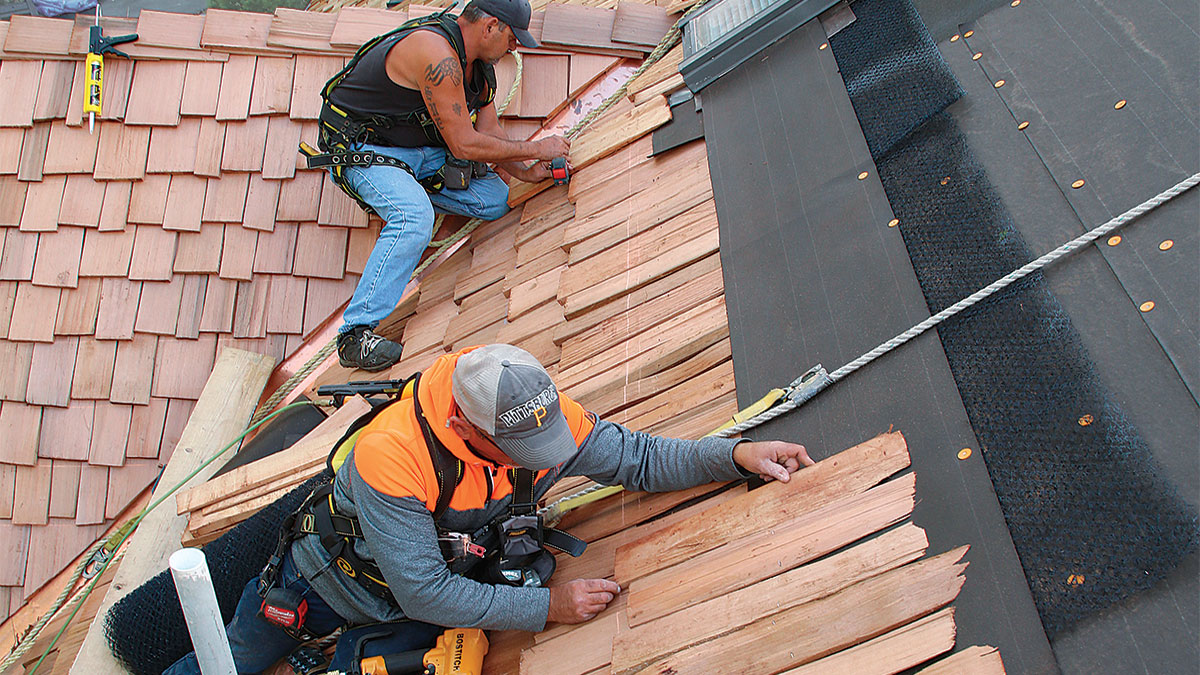
Some houses seem made for natural materials. Cedar has a warm, textured appearance that can complement cottages, traditional homes, and properties surrounded by trees or landscaped gardens. Unlike uniform manufactured products, wood develops character over time, which is part of its appeal.
Cedar shake roofing is especially attractive to homeowners who prefer a distinctive, rustic finish. Cedar shakes are generally thicker and more textured than wood shingles, creating a handcrafted appearance that can make a roof stand out without looking overly polished.
Still, natural beauty comes with responsibilities. Cedar requires appropriate installation, ventilation, and periodic inspections. Moisture buildup, fungal growth, insects, and neglected debris can affect its condition, particularly in damp or heavily shaded areas. Treatments may be recommended in some circumstances, but their suitability depends on the product, local regulations, and the manufacturer’s guidance.
Fire resistance is another important consideration. Wood roofing may be restricted in certain locations or require specific fire-retardant products. Before choosing cedar, confirm local building requirements and insurance considerations. The initial cost and ongoing care may be higher than those associated with standard asphalt shingles, so make sure the appearance and performance justify the investment for your household.
Why Metal Roofing Deserves Attention
Metal roofs have moved well beyond agricultural buildings and industrial properties. Today, they appear on modern homes, cabins, extensions, and traditional houses, with finishes that range from understated matte colors to designs resembling other roofing materials.
One major advantage of metal roofing is its potential for a long service life when the right product is installed correctly. Many metal systems resist rot and insect damage, and their relatively smooth surfaces can help rainwater drain efficiently when the roof is properly designed.
Metal can also reflect a portion of the sun’s energy, depending on the finish, color, insulation, and ventilation beneath the roof. In warm climates, a suitable system may help reduce cooling demand. The actual energy savings depend on the entire building, not just the roof covering.
There are trade-offs, of course. Metal roofing often has a higher upfront price than basic shingles, and installation requires attention to fasteners, flashing, seams, and expansion caused by temperature changes. Poor workmanship can lead to leaks or other problems. Rain noise is sometimes a concern, although appropriate roof decking, insulation, and underlayment can help manage sound.
If you’re comparing metal options, ask about corrosion resistance, protective coatings, warranty coverage, and compatibility with your home’s existing structure. These details can make a meaningful difference over time.
Look Beyond the Initial Price
A roofing estimate can be misleading when it focuses only on the cost of materials. The full project may include removing old roofing, repairing damaged decking, replacing flashing, improving ventilation, disposing of waste, and bringing the roof up to current code.
Ask contractors to provide itemized estimates so you can compare similar scopes of work. A low quote may leave out essential repairs or use products that don’t match your expectations. On the other hand, the most expensive proposal isn’t automatically the best one.
Consider long-term ownership costs as well. A less expensive roof that requires earlier replacement may cost more over its lifetime than a durable alternative with a higher initial price. Maintenance, repairs, energy performance, and warranty terms all belong in the conversation.
Installation and Maintenance Make a Difference
Even premium roofing materials can fail early when installed incorrectly. Choose a licensed and insured contractor where required, check references, and review previous projects that resemble your own home. Make sure the written agreement identifies the materials, underlayment, ventilation work, cleanup responsibilities, payment schedule, and warranty details.
After installation, schedule periodic visual inspections, especially following severe weather. Keep gutters clear, remove problematic debris, and watch for missing shingles, damaged flashing, rust, or signs of water entering the attic. Avoid walking on the roof yourself unless you’re properly equipped and trained; many inspections are better left to professionals.
Make a Decision You’ll Feel Good About
The right roofing material isn’t necessarily the trendiest or the most expensive. It’s the one that suits your home’s design, your local weather, your budget, and the amount of maintenance you’re prepared to handle.
Take time to compare samples, ask specific questions, and obtain more than one detailed estimate. A dependable contractor should explain the benefits and drawbacks of each suitable option without pressuring you into a quick decision.
A roof is a substantial investment, but it doesn’t have to be an overwhelming one. With careful planning and quality installation, you can choose a roofing system that protects your home, complements its appearance, and provides dependable performance for years to come.