Water is part of almost everything we do at home. It’s there when you make your morning tea, rinse vegetables for dinner, wash the dishes, or take a shower after a long day. Because it’s always available, it’s easy to overlook its quality. That usually changes when the kettle starts collecting white deposits, the water develops an unfamiliar smell, or soap seems to leave a film on the skin.
These little annoyances may not seem like a big deal at first. Over time, though, they can affect how comfortable your home feels and how much effort goes into ordinary chores. Understanding what’s in your water and choosing the right treatment can help address these concerns without spending money on equipment you don’t need.
Start by Understanding What Your Water Contains
Water quality varies between homes, even within the same neighbourhood. Mineral content, the source of the supply, local geology, and household plumbing can all influence what comes out of a tap. Some homes deal mainly with hard water, while others notice sediment, chlorine taste, iron staining, or other specific concerns.
Hard water contains elevated levels of calcium and magnesium. These minerals can leave deposits around faucets, showerheads, and water heaters. Iron may contribute to orange or reddish marks, while sediment can collect in fixtures and affect water clarity. Some contaminants, however, cannot be identified through appearance or smell alone.
That’s why improved water quality should begin with reliable information rather than guesswork. Reviewing your local water supplier’s report or arranging an appropriate water test can help identify the characteristics that deserve attention. Private well owners may need more frequent testing based on local conditions and potential risks.
A basic hardness test can be useful, but it does not establish whether water is free from bacteria, lead, nitrates, or other health-related contaminants. If you have concerns about safety, choose testing suited to those substances and consult a qualified professional when necessary.
A Noticeable Difference in Taste and Smell
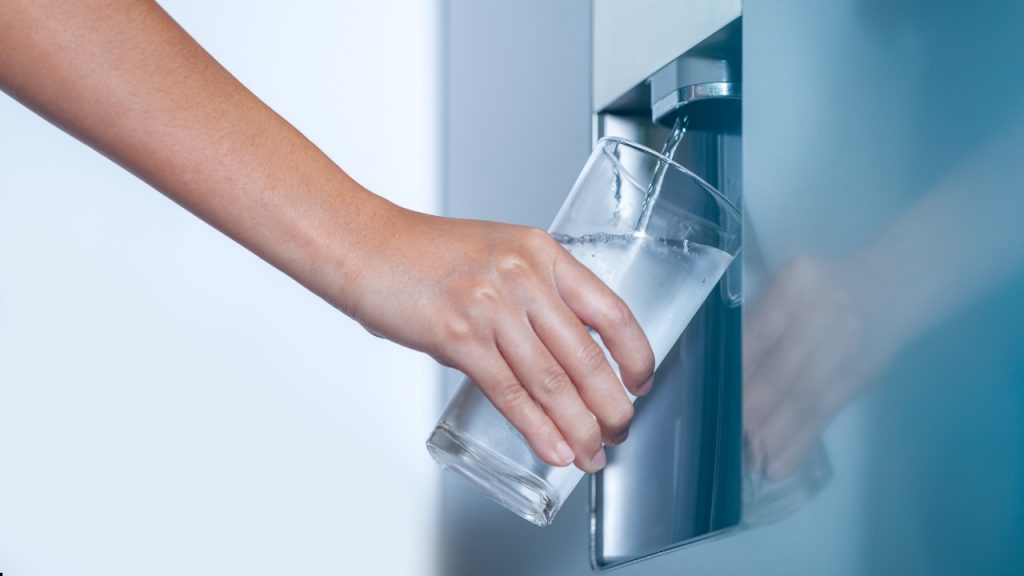
Have you ever filled a glass of water, taken a sip, and wondered why it tastes slightly different today? Sometimes the cause is harmless, but the experience can still make drinking water less appealing. Taste and odor concerns are among the most common reasons homeowners begin looking into filtration.
Certain activated carbon filters can reduce chlorine taste, unpleasant odors, and selected organic compounds. Their effectiveness depends on the filter design, the substances present, and how well the equipment is maintained. Other technologies may be necessary when testing identifies a different problem.
The goal of treatment is not simply to make water taste pleasant. A better flavor can encourage people to use tap water more comfortably for drinking and cooking, but taste alone is not a reliable indicator of safety. Water can taste fine and still contain contaminants that require specific testing.
For many households, enhanced taste and odour is a practical benefit of choosing an appropriately designed filter. Before buying one, check which substances the manufacturer claims it can reduce and whether independent certification supports those claims. A filter intended to improve taste should not automatically be treated as a solution for every water-quality concern.
Protecting Appliances From Mineral Buildup
One of the more frustrating effects of hard water is how quickly mineral deposits can appear. You clean the shower screen, wipe the taps, and everything looks fresh for a day or two. Then the cloudy marks return. Kettles, coffee machines, washing machines, and water heaters can experience similar buildup, depending on the hardness of the water and how frequently the equipment is used.
Scale forms when dissolved minerals accumulate on surfaces, particularly as water is heated or evaporates. Over time, substantial buildup may interfere with the operation of certain appliances and make cleaning more difficult. Water heaters can be particularly affected because heating encourages mineral deposits to form.
A conventional water softener can help address hardness by exchanging calcium and magnesium ions for other ions, commonly sodium. This process can reduce scale formation, although a softener does not remove every contaminant and should not replace filtration or disinfection where those treatments are needed.
For homeowners dealing with persistent scale, extended appliance lifespan may be a potential long-term benefit of reducing hardness-related buildup. Actual results depend on the water conditions, appliance design, maintenance, and the treatment system installed. It’s worth testing the water first rather than assuming hardness is responsible for every appliance problem.
Choosing a Treatment System That Fits Your Home
Water treatment equipment comes in several forms, and each serves a different purpose. Sediment filters capture particles, activated carbon reduces certain tastes and odors, softeners address hardness, and reverse osmosis systems can reduce many dissolved substances in drinking water when properly selected.
Some households need treatment at just one kitchen tap. Others may benefit from a system installed where water enters the property. The right option depends on the test results, household size, daily water use, available installation space, and maintenance preferences.
Think about your routine before making a decision. A family that regularly fills reusable bottles may prefer a drinking-water filter with sufficient capacity. A household experiencing scale throughout the plumbing may need to investigate a softener. If a particular contaminant is the concern, choose a product with verified performance for that substance.
Ask providers to explain the equipment’s limitations, replacement schedule, and ongoing costs. A system that looks affordable at first may require expensive cartridges or frequent servicing. A clear written estimate can help you compare options more realistically.
Maintenance Is Part of the Investment
Even a suitable treatment system needs regular attention. Filters become exhausted, membranes have a limited service life, and softeners require routine care. If maintenance is neglected, the system may no longer perform as expected.
Follow the manufacturer’s instructions and keep a record of installation dates, filter changes, and service visits. Watch for unexpected changes in pressure, taste, odor, or staining. These signs may indicate that something needs attention, although further testing may be necessary to identify the cause.
If you use a private well, follow local recommendations for routine testing and investigate changes after flooding or repairs. For municipal water, review available supplier information and consider additional testing if you suspect a problem inside your home’s plumbing.
Small Improvements Can Make Everyday Life Easier
Better water doesn’t necessarily require the most expensive equipment on the market. It starts with understanding your water, identifying the concern, and choosing a treatment method designed to address it. Sometimes a simple filter is enough; other situations call for a more specialised solution.
Take time to compare the options, ask questions, and consider the long-term maintenance involved. Be cautious of claims that a single device can solve every possible water problem. Reliable treatment is based on evidence and realistic expectations.
Ultimately, water quality is about more than what comes out of the tap. It influences everyday routines, cleaning, cooking, and the upkeep of household equipment. With appropriate testing and a well-maintained system, you can make practical improvements that suit your home and enjoy greater confidence in the water you use each day.