Clean, reliable water is something most people don’t think about until there’s a problem. Maybe the tap suddenly smells strange. Perhaps there’s a chalky film around the sink, or the water from the shower leaves your skin feeling dry and irritated. For homeowners relying on private wells, the concerns can go a little deeper because water quality can change with seasons, rainfall, groundwater conditions, and the age of the well itself.
That’s where modern water treatment comes in. The right solution isn’t always the biggest or most expensive system. It’s the one that addresses what’s actually in your water. Understanding the different options can save money, reduce frustration, and, most importantly, give your household greater confidence in the water you use every day.
Why Water Quality Can Vary So Much
Water can pick up minerals, sediments, metals, microorganisms, and other substances as it travels through soil and rock. Municipal water supplies are generally treated before reaching homes, but private wells are different. The quality depends heavily on the local groundwater and the condition of the well.
Even water that looks perfectly clear isn’t necessarily free from unwanted contaminants. Some issues have no obvious taste, smell, or color. That’s why relying on appearance alone can be misleading.
A proper water test gives homeowners a much better starting point. Instead of guessing whether you need filtration, softening, disinfection, or another treatment method, you can make a decision based on actual results.
Understanding the Role of Water Filters
For many households, filtration is one of the first treatment options worth considering. water filters can help reduce particular impurities depending on their design and filtration media. Sediment filters, for example, are useful for removing particles such as sand, silt, and rust. Activated carbon filters are commonly used to improve taste and odor while reducing chlorine and certain organic compounds.
But there’s an important detail people sometimes overlook: no single filter removes everything.
A filter designed for sediment isn’t necessarily going to address dissolved minerals. Likewise, a carbon filter isn’t a substitute for a disinfection system when microbial contamination is the concern. Choosing equipment based on the actual water problem is much smarter than buying whatever happens to be popular.
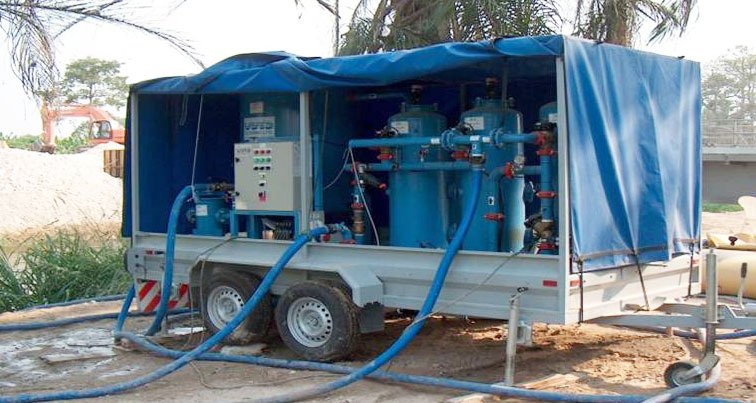
In some homes, several treatment stages work together. Water might first pass through a sediment filter, then a carbon filter, followed by another specialized treatment unit. It sounds complicated, but a properly designed system can make the process surprisingly straightforward for the homeowner.
Why Well Water Needs Special Attention
Private wells bring several advantages, but they also come with responsibility. Unlike a centralized municipal supply, homeowners are typically responsible for monitoring and maintaining their own water source.
This makes well water treatment especially important when testing reveals problems such as excessive hardness, iron, manganese, sulfur compounds, sediment, or microbial contamination.
Hard water is a common example. Calcium and magnesium aren’t usually considered dangerous at typical levels, but they can create plenty of household headaches. Scale can build up inside pipes and water heaters, faucets may develop deposits, and appliances can lose efficiency over time.
Iron can create orange or reddish staining, while hydrogen sulfide can produce that unmistakable rotten-egg smell. None of these issues necessarily means the well is unusable. Usually, it means the treatment approach needs to match the chemistry of the water.
Don’t Ignore Microbiological Concerns
One of the more serious water-quality issues involves microorganisms. Bacteria and other microbes can enter a private well through surface contamination, damaged well components, flooding, or other pathways.
This is an area where guesswork really isn’t a good idea. If testing indicates microbial contamination, homeowners should work with qualified water professionals to identify the source and determine the appropriate treatment.
Modern microbiological systems may use technologies such as ultraviolet disinfection or other treatment methods designed to control microorganisms. UV systems, for instance, can disinfect water without adding chemicals, although they generally require relatively clear water to work effectively. If sediment or other particles are present, pretreatment may be necessary.
And remember, treating the water is only part of the equation. If contamination keeps returning, the well itself may need inspection or corrective work.
Water Softeners Are Different From Filters
A common misunderstanding is that a water softener and a water filter do the same job. They don’t.
Water softeners are primarily designed to reduce hardness minerals, particularly calcium and magnesium. They work through ion exchange and can make a noticeable difference in homes struggling with scale.
Filtration, on the other hand, targets specific particles or substances depending on the technology being used.
For example, a homeowner may need both a softener and a filtration system. The softener handles hardness while a separate filter addresses sediment, taste, odor, or another identified concern. In other situations, a softener might not be necessary at all.
Again, testing comes first.
Whole-Home or Drinking Water Treatment?
Another decision is where treatment should happen. A whole-home, or point-of-entry, system treats water before it travels throughout the house. This can make sense when the water issue affects bathing, laundry, cooking, and other household uses.
Point-of-use treatment, meanwhile, focuses on a particular faucet or appliance. An under-sink drinking-water system is a common example.
There’s no universal winner here. If the concern is primarily about drinking water, a point-of-use system may be enough. If the entire household supply has a problem, treating water at the entry point can be more practical.
It’s worth thinking beyond the kitchen sink, too. Water quality affects showers, washing machines, dishwashers, water heaters, and plumbing fixtures. Sometimes the most economical long-term solution is the one that protects the whole system.
Maintenance Matters More Than People Think
Even a well-designed treatment system can underperform if it isn’t maintained.
Filters eventually become loaded with sediment or contaminants. UV lamps have a service life. Water softeners need appropriate salt or regeneration management, depending on the system. Components may also require periodic inspection.
Skipping maintenance because “the water still looks fine” can backfire. Some treatment equipment becomes less effective gradually, without producing an obvious warning sign.
A simple maintenance schedule can help. Keep track of filter replacement dates, professional inspections, and water testing. It’s a small habit, but it can prevent bigger headaches later.
Start With the Water, Not the Equipment
There’s a temptation to begin the process by shopping for equipment. That’s understandable; there are plenty of impressive systems on the market. But the better approach is almost always to start with testing.
Know what’s present, understand what level is considered a concern, and then choose treatment technology accordingly. A reputable water professional can help interpret test results and explain what each system can—and can’t—do.
The goal isn’t to turn your home into a laboratory. It’s simply to make sure the water coming from your taps is appropriate for the way your household uses it.
A Better Approach to Everyday Water
Good water treatment is rarely about chasing perfection. It’s about solving the problems that matter.
For one household, that might mean removing sediment. For another, it could mean reducing hardness or iron. A home with a private well may need more careful monitoring, particularly when microbial concerns arise.
The smartest solution is usually the one based on evidence rather than assumptions. Test the water, understand the results, choose technology that fits the problem, and keep the equipment maintained.
After all, clean water shouldn’t feel complicated. With the right information and a thoughtful treatment plan, it can simply become one of those quiet parts of home life that works exactly as it should.