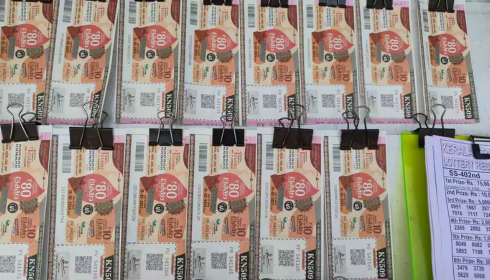
If you’ve spent any time exploring underground betting culture in India, you’ve probably heard whispers of matka. It’s one of those things that feels both old-school and strangely modern at the same time. Originally, matka began in the 1960s when people would bet on the opening and closing rates of cotton traded on the New York Cotton Exchange. Over time, when that system stopped, local operators created their own number-drawing methods using earthen pots—hence the name “matka.”
Today, what started as a simple guessing game has evolved into a widespread betting network, both offline and online. And somewhere in that ecosystem, platforms and terms like Matka 420 have gained popularity among players looking for quick wins.
What Exactly is Indian Matka?
At its core, matka is a numbers game. Players choose numbers, place bets, and wait for results based on random draws. It sounds simple—and that’s probably why it attracts so many people.
The modern version, often referred to as Indian matka, has adapted to digital platforms. Instead of gathering in physical locations, many users now participate through websites, WhatsApp groups, or apps. Results are announced at fixed times, and players check outcomes eagerly, hoping luck swings their way.
But beneath that simplicity lies a complex system of operators, agents, and unofficial networks that keep the game running.
Why It’s Still So Popular
There’s something about matka that keeps people hooked. Maybe it’s the low entry barrier—you don’t need much money to start. Or maybe it’s the thrill. That sudden rush when your number might just hit.
For many, it becomes more than just a game. It turns into a daily habit. A routine. Almost like checking the stock market, except here, luck plays a far bigger role than strategy.
Also, let’s be honest—stories of people winning big spread quickly. Even if they’re rare, they fuel curiosity and hope.
The Reality Behind the Hype
Here’s where things get a bit uncomfortable.
While matka may look harmless, it operates in a legal grey area in most parts of India. In fact, in many states, it’s outright illegal. Authorities have cracked down multiple times, yet the system continues to exist, often shifting online to avoid detection.
And then there’s the financial side. Most players don’t win consistently. In fact, many lose more than they gain. The structure of the game naturally favors the operators.
It’s not very different from other forms of gambling—short-term excitement, long-term risk.
The Shift to Online Platforms
The internet has changed everything. What once required physical presence can now be accessed with a smartphone. This shift has made matka more accessible but also more risky.
Online platforms often lack transparency. There’s no guarantee that results are truly random. No regulatory body ensures fairness. And if something goes wrong—say, you don’t receive your winnings—there’s little you can do.
Yet, the convenience keeps drawing people in.
Cultural Impact and Social Perception
Interestingly, matka isn’t just a game—it’s part of a larger cultural narrative in certain regions of India. In cities like Mumbai, it has historical significance and is often referenced in movies and stories.
At the same time, society has mixed views about it. Some see it as harmless entertainment, while others view it as a risky habit that can lead to financial trouble.
Families have been affected. Friendships strained. All because what started as a “small bet” slowly turned into something bigger.
Should You Get Involved?
That’s a question only you can answer. But it’s worth thinking about why you’re interested in the first place.
If it’s curiosity, maybe learning about it is enough. If it’s the hope of making quick money, it might be worth reconsidering. Because while the idea of easy wins is tempting, reality often tells a different story.
Final Thoughts
Matka, whether traditional or digital, continues to exist because it taps into something very human—the desire for luck, excitement, and a better outcome.
But like many things that promise quick rewards, it comes with its share of risks. Understanding those risks doesn’t take away the thrill, but it does give you a clearer perspective.
And sometimes, that perspective is exactly what’s needed before making a decision.