There are certain things you expect from your home without thinking too much about them. Comfortable showers, clean dishes, fresh laundry, and a decent glass of drinking water are probably somewhere on that list.
But when mineral deposits start covering bathroom fixtures or tap water develops an unpleasant aftertaste, those everyday comforts become a little harder to enjoy.
For homeowners in Northeast Illinois, water treatment can offer practical solutions to several common household problems. The difficulty is figuring out which equipment is actually worth investing in.
Some systems address excessive minerals, others target specific contaminants, and certain households benefit from combining different technologies. Understanding these differences can help you make a decision that feels right for your home and your budget.
Getting Hard Water Under Control
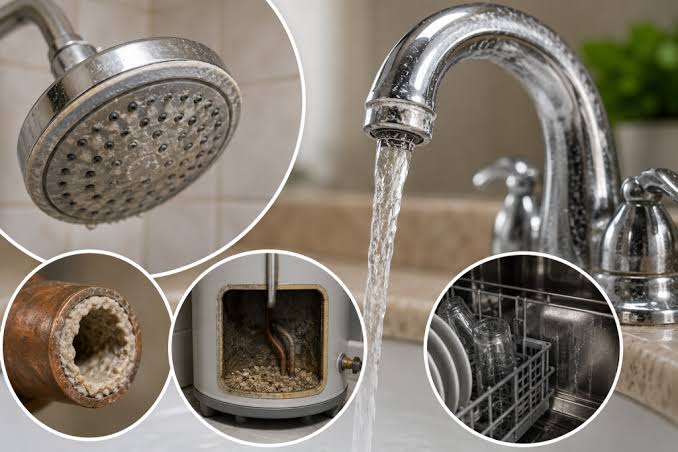
Hard water can be surprisingly frustrating. You clean the bathroom, polish the faucets, and wash the dishes, yet those familiar white spots somehow keep returning.
These deposits are commonly associated with calcium and magnesium dissolved in the water supply.
Installing a properly sized water softener can help reduce these hardness minerals through an ion exchange process, making everyday cleaning easier and limiting scale accumulation within plumbing and appliances.
Softened water generally produces a better lather with soap, too. Homeowners may find that they need less detergent to achieve satisfactory cleaning results.
There’s also the question of appliance maintenance. Water heaters and dishwashers regularly handle heated water, which can encourage mineral deposits to accumulate.
Reducing hardness may help protect these appliances from additional scale buildup, although regular maintenance remains important.
Treating Water Throughout Your Entire Property
Sometimes, water quality problems extend well beyond the kitchen faucet. Sediment, unpleasant odors, and certain chemical characteristics may affect multiple areas of your home.
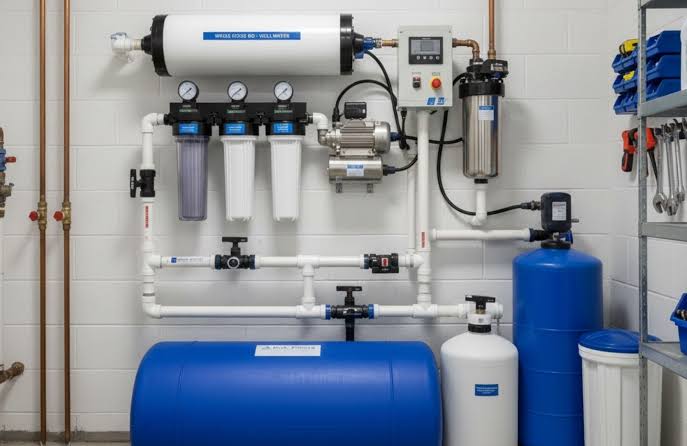
A carefully selected whole home water filtration system treats incoming water before it reaches household fixtures, providing broader treatment coverage than a small kitchen filter.
Depending on the equipment installed, this approach can help reduce suspended particles, specific chemicals, and certain undesirable tastes or odors.
For instance, a household experiencing sediment problems might benefit from a dedicated sediment filter. Another property may require activated carbon treatment to address chlorine-related taste and odor concerns.
The key is choosing filtration media that target the substances actually present in your water.
Not every filter performs the same function, and installing equipment without appropriate testing can result in unnecessary spending.
Why Reverse Osmosis Is Worth Exploring
A refreshing glass of water shouldn’t leave you wondering about an unusual taste or unpleasant smell. For many households, improving drinking water quality becomes a priority separate from treating water used for bathing and cleaning.
A reverse osmosis drinking water system uses pressure to move water through a semipermeable membrane, reducing various dissolved substances depending on the system’s verified performance.
These systems are commonly installed beneath kitchen sinks, providing treated water through a dedicated faucet.
Beyond drinking, households may use this water for preparing tea, making coffee, cooking, and filling reusable water bottles.
However, reverse osmosis isn’t a universal answer to every water quality concern. Equipment selection should reflect reliable testing, specific contaminant reduction requirements, and independently verified performance.
Maintenance matters as well. Filters and membranes require periodic replacement to keep the system functioning as intended.
Can Different Water Treatment Systems Work Together?
Absolutely. In fact, combining treatment technologies can be a practical choice when a household experiences several different water quality problems.
Imagine a family dealing with stubborn mineral deposits throughout the house and an unpleasant taste in its drinking water.
A softening unit could address hardness, while a dedicated reverse osmosis system treats water used for drinking and cooking. Additional filtration might be appropriate if testing identifies sediment or other concerns.
Each component serves a particular purpose.
That doesn’t mean every homeowner needs multiple treatment systems. Sometimes, one carefully selected unit is perfectly adequate.
A professional assessment can help distinguish necessary improvements from optional extras that may offer little additional value.
Understanding Your Water Source Before Buying Equipment
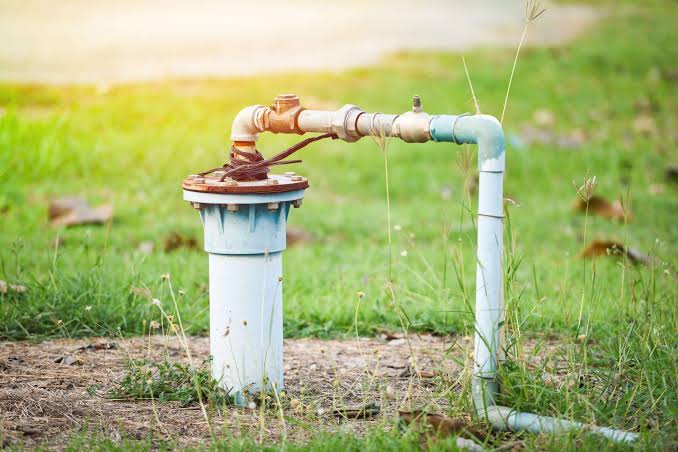
Homes throughout Northeast Illinois may receive water from municipal suppliers or rely on private wells. These sources can have different characteristics and treatment requirements.
Municipal water customers can review their supplier’s annual water quality report to better understand their public water supply.
Private well owners should arrange regular laboratory testing, especially for contaminants that cannot be detected through taste, smell, or appearance.
It’s tempting to assume that clear water is automatically safe, but unfortunately, appearance alone doesn’t tell the whole story.
Reliable testing helps homeowners select appropriate equipment with greater confidence.
Think About Maintenance and Long-Term Expenses
Water treatment equipment requires ongoing attention, something that’s easy to overlook when comparing purchase prices.
Salt replenishment, replacement cartridges, membrane changes, and professional servicing can all contribute to ownership costs.
Ask about these expenses before purchasing equipment. Consider available installation space, household water consumption, warranty coverage, and servicing arrangements.
An affordable system that requires frequent, expensive maintenance may not represent the best long-term investment.
Ideally, your treatment equipment should fit naturally into your household routine without creating unnecessary responsibilities.
Better Water Makes Ordinary Moments More Enjoyable
Improving household water quality isn’t necessarily about making dramatic changes. Often, it’s the smaller improvements that people appreciate most.
Perhaps your glassware looks clearer, your bathroom fixtures require less scrubbing, or your morning coffee tastes more enjoyable.
For Northeast Illinois homeowners, appropriate testing and thoughtful treatment choices can help make these improvements possible.
Take the time to understand your water supply, compare suitable technologies, and invest in equipment that meets your genuine needs.
After all, water is involved in practically everything we do at home. Giving its quality a little extra attention can make countless ordinary moments more comfortable, convenient, and satisfying.