Owning a home with a private well comes with a certain sense of independence. You’re not entirely dependent on a municipal water supply, and there’s something appealing about having your own source of water. However, that independence also comes with responsibilities that are easy to overlook.
Perhaps you’ve noticed a metallic taste in your drinking water, orange stains around the bathtub, or an unpleasant smell whenever you turn on the shower.
For homeowners researching well water treatment in new port richey fl, these everyday frustrations are often the starting point for exploring better water management.
Fortunately, many common well water concerns can be addressed with appropriately selected treatment equipment. The key is understanding what’s present in your water before deciding how to treat it.
Why Private Well Water Requires Special Attention
Unlike municipal water, which undergoes centralized treatment and monitoring, private well water generally remains the responsibility of the property owner.
Groundwater travels through soil and rock formations, collecting naturally occurring minerals along the way. Depending on surrounding environmental conditions, it may also become exposed to other substances.
Florida’s limestone geology can contribute to mineral hardness, while individual wells may experience concerns involving iron, sediment, or microbial contamination.
Some problems are immediately noticeable. Others aren’t quite so obvious.
Clear water with a pleasant taste can still contain potentially harmful contaminants. That’s why relying entirely on appearance or smell isn’t a dependable way to evaluate drinking water quality.
Regular testing provides valuable information that helps homeowners make more informed treatment decisions.
Dealing With Iron Stains, Unpleasant Odors, and Sediment
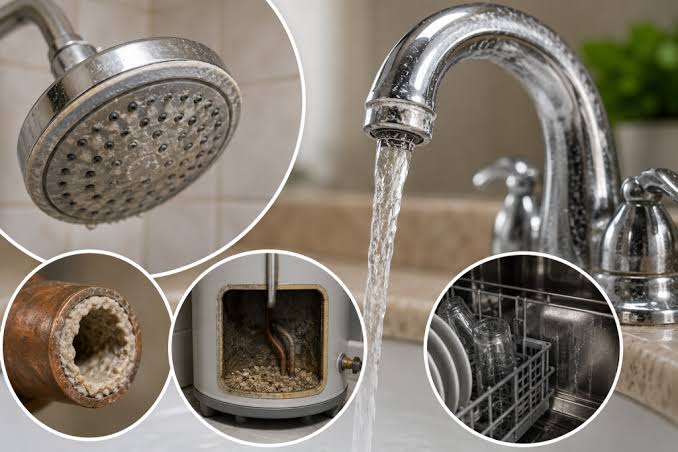
Have you ever cleaned your bathroom sink only to discover reddish-brown stains returning within days? Elevated iron concentrations could be responsible.
Other households experience a rotten-egg smell associated with hydrogen sulfide or notice small particles collecting inside faucet aerators.
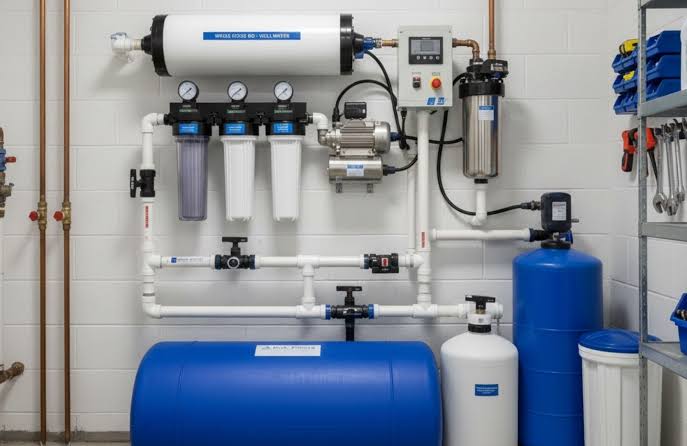
Properly designed private well water filtration can address these concerns through treatment technologies selected according to the property’s specific water characteristics.
Sediment filters capture suspended particles, while specialized iron removal equipment may help reduce staining and metallic flavors. Certain oxidation and filtration arrangements can also address hydrogen sulfide.
However, no single filter solves every problem.
The most effective treatment arrangement depends on laboratory findings, water chemistry, household consumption, and the condition of existing equipment.
Understanding these details can prevent unnecessary spending on products that offer little practical benefit.
Making Water Safety a Priority
It’s perfectly understandable to want water that looks appealing and tastes refreshing. But appearance and flavor are only part of the picture.
Achieving safer well water requires appropriate testing, suitable treatment where necessary, regular equipment maintenance, and follow-up analysis to verify results.
Private well owners should arrange routine laboratory testing, including checks for bacteria, nitrates, and other relevant contaminants based on local conditions.
If microbial contamination is identified, professional assessment can help determine whether well repairs, disinfection, or additional treatment equipment is necessary.
Ultraviolet disinfection, for example, can inactivate susceptible microorganisms when properly installed and operated under suitable water conditions.
Testing is especially important following flooding, well repairs, or unexpected changes in water quality.
These precautions aren’t about creating unnecessary worry. They’re about taking reasonable responsibility for something your household depends on every day.
Understanding Hard Water and Its Everyday Effects
Many Florida homeowners are familiar with chalky deposits around bathroom fixtures and cloudy marks on shower doors.
These deposits often result from dissolved calcium and magnesium, the minerals primarily responsible for water hardness.
Excessive hardness can make soap less effective, increase cleaning requirements, and encourage scale accumulation inside certain appliances.
Traditional water softeners use ion exchange to reduce hardness minerals before water reaches connected household plumbing.
For properties experiencing both hardness and other water quality concerns, combining complementary treatment technologies may be appropriate.
Remember that softening isn’t the same as comprehensive purification. A softener serves a specific purpose and shouldn’t be expected to address every potential contaminant.
Choosing Treatment Equipment That Fits Your Property
Every private well has its own characteristics. Even neighboring homes may experience different water quality problems.
Before purchasing equipment, consider laboratory results, incoming water pressure, daily consumption, and available installation space.
A busy family home with several bathrooms may require greater treatment capacity than a smaller property with modest water usage.
Think about maintenance accessibility, too. Equipment that is difficult to reach can make routine servicing unnecessarily frustrating.
Ask a qualified specialist to explain the purpose of each proposed treatment component and its expected operating expenses.
A straightforward system that addresses identified problems is often more valuable than an elaborate arrangement featuring unnecessary equipment.
Looking After Your Well Throughout the Year
Maintaining your water supply involves more than replacing filter cartridges.
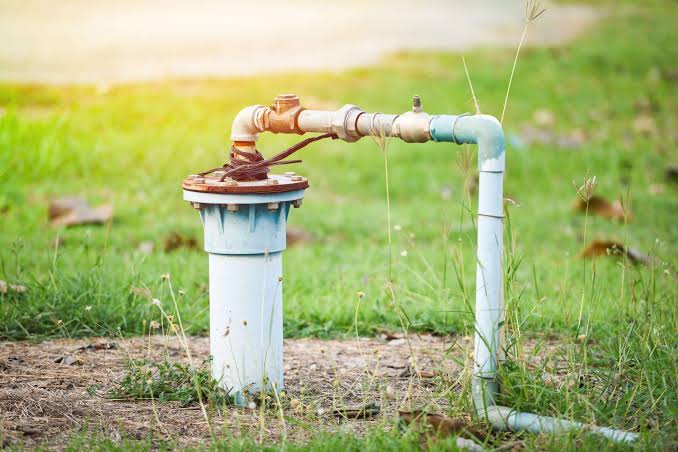
Keep the area surrounding your well clear of potential contamination sources, check for visible damage to accessible components, and arrange professional inspections when necessary.
Follow recommended maintenance schedules for filtration equipment, softeners, and disinfection systems.
Keep laboratory reports and servicing records organized so you can identify changes over time.
If your well becomes flooded or contamination is suspected, use a known safe alternative drinking water supply until appropriate assessment and testing confirm that the problem has been resolved.
Enjoying the Benefits of a Well-Maintained Water Supply
Living in New Port Richey offers plenty of opportunities to enjoy Florida’s sunshine and relaxed coastal atmosphere. Managing your private water supply shouldn’t become a constant source of frustration.
With reliable testing, suitable treatment equipment, and consistent maintenance, many common water quality concerns can be effectively managed.
Take the time to understand your well rather than waiting for noticeable problems to develop.
After all, water supports nearly every part of household life, from preparing breakfast to washing clothes and enjoying a refreshing drink.
Looking after its quality is one of the most worthwhile investments you can make in your home’s everyday comfort.