It usually starts with something small. The kettle develops a strange white coating, your shower doesn’t feel as powerful as it used to, or the kitchen tap produces water with a slightly metallic taste. You might dismiss these things initially, but eventually, they become difficult to ignore.
Water is such an essential part of everyday life that even minor problems can affect how comfortably your home functions.
For homeowners across Vancouver Island, understanding common household water quality problems is an important step toward finding practical, lasting solutions. Whether your property relies on a private well or a municipal supply, recognizing changes in your water can help you identify concerns before they become more expensive or disruptive.
The good news? Not every water problem requires a complicated treatment system.
Why Mineral Deposits Keep Appearing Around Your Home
If you’ve ever spent ages cleaning a shower door only to find white spots returning a few days later, you’ll understand how frustrating mineral deposits can be.
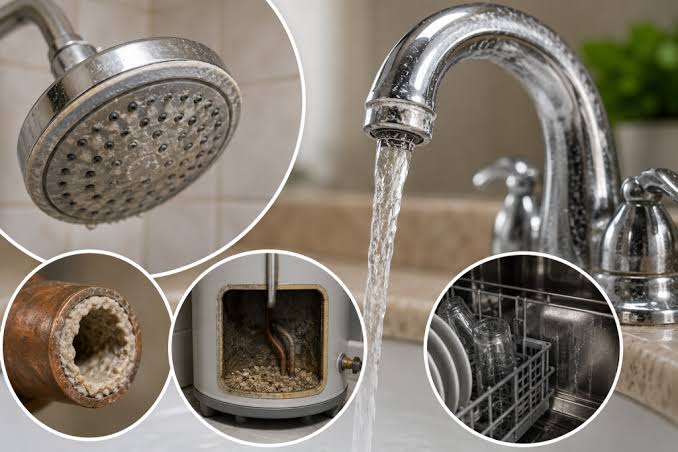
Problems associated with hard water & scale buildup typically develop when water contains elevated concentrations of dissolved calcium and magnesium. As water evaporates or is heated, these minerals can leave deposits behind.
Over time, scale may accumulate inside kettles, water heaters, plumbing fixtures, and certain household appliances.
Hard water can also make soap less effective, leaving laundry feeling rough or creating additional residue around sinks and bathtubs.
A properly selected water softener can help reduce hardness minerals and limit further scale accumulation. However, appropriate testing should come first.
Understanding the severity of your water hardness makes it easier to determine whether installing softening equipment would provide worthwhile benefits.
What’s Causing Your Shower to Lose Its Power?
Few things are more disappointing than stepping into the shower after a long day and discovering that the water is barely flowing.
Experiencing low water pressure doesn’t necessarily mean your entire plumbing system needs replacing. Several factors can contribute to reduced water flow, including clogged filters, mineral deposits, partially closed valves, leaks, and pump-related problems.
Start by noticing whether the problem affects one fixture or several areas of your home.
If only the kitchen faucet seems affected, a blocked aerator might be responsible. If multiple fixtures experience reduced flow, the issue could involve a more central component.
For private well owners, pump performance and pressure tank conditions deserve particular attention.
A qualified professional can help investigate persistent pressure problems and recommend suitable repairs or equipment adjustments.
Unpleasant Tastes and Odours Deserve Attention
Water shouldn’t make you hesitate before taking a sip. Yet an unusual smell or lingering aftertaste can make everyday drinking water considerably less appealing.
Different characteristics may have different explanations.
A chlorine-like taste may be associated with municipal disinfection, while metallic flavours can sometimes indicate dissolved minerals or plumbing corrosion.
A rotten egg smell may be connected to hydrogen sulfide or bacterial activity within certain water systems.
However, taste and smell alone cannot establish whether drinking water is safe.
Activated carbon filtration may help address specific taste and odour concerns, but other problems require different treatment technologies.
If unusual characteristics appear suddenly or persist, arrange appropriate testing before selecting equipment.
Understanding Why Water Sometimes Looks Cloudy
Have you ever filled a glass with water that looked almost milky, only to watch it gradually become clear?
In some cases, tiny air bubbles are responsible. If the cloudiness disappears as the water sits, trapped air may explain the appearance.
Persistent cloudiness, visible particles, or discolouration warrant further investigation.
Sediment can enter water supplies through various sources, including groundwater conditions and deteriorating plumbing components.
Suitable sediment filtration may help capture suspended particles and protect downstream treatment equipment.
Remember, though, that clear water isn’t necessarily free from harmful contaminants. Appearance provides useful clues, but reliable testing offers a much clearer understanding of water quality.
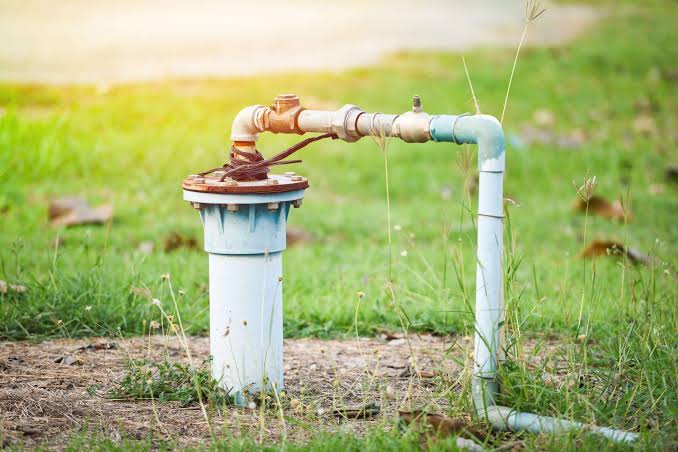
Why Private Well Owners Face Different Challenges
Having an independent water supply offers certain advantages, particularly for properties outside municipal service areas. However, maintaining a private well also brings additional responsibilities.
Groundwater characteristics can change following heavy rainfall, flooding, nearby land disturbances, or deterioration of well components.
Regular laboratory testing helps identify concerns that aren’t necessarily visible during everyday use.
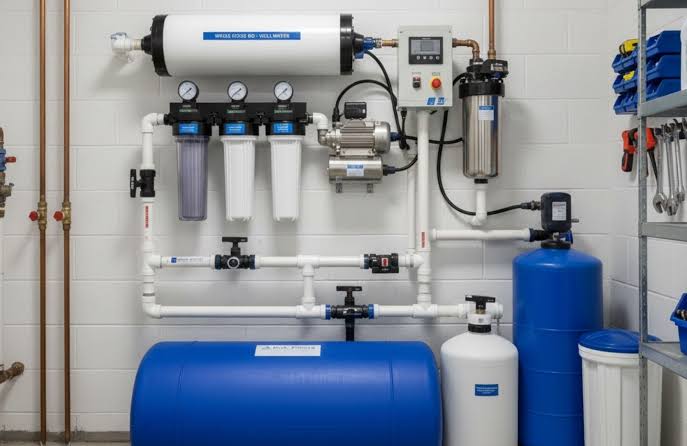
Depending on the findings, homeowners may need sediment filtration, mineral treatment, ultraviolet disinfection, or other specialized equipment.
If laboratory results indicate that drinking water is unsafe, follow local health authority guidance before continuing to consume it.
Maintaining your well and its supporting equipment is just as important as selecting suitable treatment products.
Simple Maintenance Habits That Make a Difference
Sometimes, water problems develop gradually because routine maintenance gets overlooked. Life gets busy, and replacing a filter rarely feels urgent when everything appears to be working normally.
Check filtration cartridges according to manufacturer recommendations, monitor pumping equipment for unusual behaviour, and inspect accessible plumbing connections for leaks.
Cleaning faucet aerators and showerheads can also help address certain localized flow restrictions.
Keep a basic record of equipment servicing and water testing results. These details can be surprisingly helpful when investigating recurring problems.
Better Water Begins With Understanding the Problem
Improving household water quality isn’t about purchasing every available treatment product. It’s about identifying genuine concerns and finding solutions that address them effectively.
For Vancouver Island homeowners, suitable water testing, properly selected equipment, and consistent maintenance can make everyday water use more dependable.
Whether you’re tired of scrubbing mineral deposits or simply want your morning shower to work properly, taking the time to investigate the underlying problem is worthwhile.
After all, water should support your daily routine rather than complicate it. Sometimes, a small but well-considered improvement can make your entire home feel more comfortable.