Blog

  • The Role of a Computer Forensic Expert Witness in the Courtroom

    The Role of a Computer Forensic Expert Witness in the Courtroom

    Let’s be real—most people don’t think about digital forensics until something goes very, very wrong. A data breach. A hacked email. A fraud case involving thousands of documents. It’s not glamorous, but it’s the reality of our modern legal system. And tucked somewhere between lawyers arguing and judges ruling, there’s a quiet professional at the center of the chaos: the computer forensic expert witness.

    These aren’t your everyday tech support folks. They’re digital detectives—uncovering hidden files, restoring deleted messages, tracking down evidence buried beneath layers of encryption. And when the time comes, they walk into a courtroom and explain it all in plain English to a jury that may have no tech background at all.

    That, right there, is a special kind of skill.


    From Binary to Believable: Making Sense of Digital Evidence

    Let’s say there’s a criminal case involving stolen trade secrets. The trail leads to a laptop, but all the files are gone. Wiped clean. The average person would assume it’s game over. But not a forensic analyst.

    They’ll pull the hard drive, analyze timestamps, dig through slack space, and before you know it—bam—a trail of evidence begins to emerge. Deleted doesn’t mean gone. Hidden doesn’t mean safe.

    But of course, finding the evidence is only half the battle. The real challenge is explaining it to people who’ve never touched a forensic tool in their life. That’s where computer forensics expert witness testimony comes in. It’s not just about decoding data—it’s about turning that data into a compelling, digestible story that holds up under legal scrutiny.


    The Pressure of the Stand

    There’s a difference between finding evidence and testifying about it in court. The latter? That’s a whole different beast. You’re not just reporting findings—you’re defending them. You’re being questioned, cross-examined, and dissected in real time. Every word matters.

    And let’s not sugarcoat it—it can be stressful. Judges are watching. Lawyers are digging. Juries are trying to make sense of technical concepts on the fly.

    That’s why not every forensic analyst makes a great witness. Being a computer forensic expert witness requires more than technical skill—it demands clarity, confidence, and a whole lot of composure. The best ones? They can stay calm, break down complex digital trails like they’re explaining a recipe, and handle curveballs without missing a beat.


    No Room for Guesswork

    In the courtroom, everything has to be backed up. There’s no space for “probably” or “maybe.” Every conclusion needs to be drawn from verifiable methods. Every tool used must be defensible. And if you ever step even slightly outside your area of expertise? Expect to be called out on it—fast.

    So when an expert takes the stand, they’re not just there to talk. They’re there to prove. And their credibility is everything. One misstep—one sign of bias or carelessness—and it can cast doubt over the entire case.

    This is especially critical when dealing with computer forensic testimony, where a single email header, IP address, or timestamp can shift the entire narrative. If the jury believes in the expert, they believe in the evidence. And that can change everything.


    Behind the Scenes: The Grind You Don’t See

    Before that expert even enters the courtroom, they’ve likely spent days—sometimes weeks—deep-diving into data. It’s not glamorous. It’s long hours, screens full of code, and endless digital breadcrumbs.

    They review reports. They consult with legal teams. They run tests, document findings, and prepare for every possible angle of attack. The courtroom may be the stage, but the performance is built backstage—through meticulous, grinding work that rarely gets credit.

    And still, after all that, one of the biggest challenges they face is making their findings relatable. Because if the jury doesn’t understand it, it might as well not exist.


    Not Just Criminal Cases

    When people think of digital forensics, they often picture criminal trials. But these experts show up in civil cases too—think divorce proceedings, corporate lawsuits, intellectual property theft, even workplace misconduct.

    Let’s say an employee is accused of leaking confidential info. A forensic analyst can investigate emails, USB activity, and file transfers to confirm or refute the claim. Their findings can prevent a wrongful termination—or confirm a company’s worst fears.

    Whatever the case, the role of the computer forensic expert witness remains the same: uncover the truth, and explain it in a way that matters.


    Final Thoughts: The Human Side of Tech

    We often talk about digital forensics in terms of tools, data, and systems. But at the heart of it all are people. People who make decisions, leave trails, and occasionally try to cover their tracks. And people—like forensic experts—who piece it all together.

    It’s not just about data recovery. It’s about trust. Truth. Clarity. In a world where most of our lives play out online, these digital storytellers are more important than ever.

    The work may be quiet. The tools may be invisible. But the impact? It’s loud and lasting.

  • Why Your Water Deserves More Attention Than You’re Giving It

    Why Your Water Deserves More Attention Than You’re Giving It

    Let’s face it—we all have habits. Morning coffee, quick rinse of the veggies before dinner, filling up the dog’s bowl, brushing our teeth before bed. And every single one of those little rituals has one thing in common: water. It’s everywhere in our lives, yet it rarely gets the attention it deserves. We assume it’s clean. We assume it’s safe. But… is it?

    Lately, more and more people are starting to ask questions about what’s really in their glass. And not in a paranoid, “I need to live off-grid” kind of way. It’s more about being informed. About wanting better. Because when you really look into it, drinking water quality isn’t something to shrug off—it’s something to actively improve.

    When “Safe” Isn’t Always “Ideal”

    If you’re relying solely on city treatment plants to deliver clean water, here’s a hard truth: even the best systems can fall short. Regulations exist, yes, but they’re based on averages and thresholds, not perfection. Trace contaminants, chlorine, sediment, lead from old pipes—it all adds up.

    You might not see it, you might not taste it, but it’s often there. And it doesn’t take a catastrophe to realize the water flowing from your tap isn’t as pristine as it should be. For families with kids, elderly folks, or anyone with a health condition, even low-level impurities can make a difference over time.

    So maybe it’s time to stop trusting the source blindly and start giving our home systems a bit more love.

    The Case for an RO System in Every Home

    Enter the household RO system—a not-so-secret weapon for families looking to take control of their water. RO stands for reverse osmosis, but don’t worry, we’re not diving into a chemistry lesson. Just know that it uses a semi-permeable membrane to separate the bad stuff (think chlorine, lead, fluoride, and other contaminants) from the good (water you actually want to drink).

    What sets RO systems apart from basic filters is how thoroughly they clean your water. Most filters tackle taste and odor, but RO? It digs deeper. It strips your water down to its purest form and gives you something that feels noticeably fresher.

    Plus, many modern RO systems are built for convenience. Compact, sleek, under-sink units with easy cartridge swaps. Some even remind you when it’s time to change filters via smartphone apps. It’s not high maintenance, and it’s definitely not outdated tech.

    Taste That Tells the Truth

    Let’s talk taste for a second—because if your water isn’t enjoyable to drink, odds are you’re not drinking enough of it. That metallic tang, the flat aftertaste, or the weird chemical vibe that sometimes creeps in? It’s not all in your head. That’s your water trying to tell you something.

    Installing a filtration system that delivers high purity water can change that experience completely. You take a sip, and instead of holding your nose or chasing it with juice, you genuinely enjoy it. Ice cubes look cleaner. Tea steeps better. Even pasta tastes subtly improved. It’s a difference you notice slowly, and then can’t imagine going without.

    And let’s be honest—when water actually tastes good, you drink more of it. That alone is a win for your health, energy, skin, and wallet (goodbye, pricey sparkling water habit).

    Everyday Impact, Long-Term Value

    Here’s where it gets even better. Cleaner water doesn’t just benefit your body. It helps your appliances too. Your coffee machine won’t gunk up as fast. Your dishwasher won’t leave spots. Even your showerhead won’t get crusty with mineral deposits.

    Over time, that means fewer repairs, better performance, and a home that just feels cleaner. It’s one of those upgrades that keeps paying for itself in small, satisfying ways.

    And let’s not ignore the environmental bonus—cutting down on bottled water means less plastic, less waste, and fewer trips hauling 24-packs from the store. That’s a lifestyle shift worth celebrating.

    Not Just for “Health Nuts”

    You don’t need to be a wellness influencer or a clean-eating guru to care about your water. You just need to be someone who wants to make smarter choices. And let’s be real: we make decisions every day about what kind of shampoo to use, what kind of bread to buy, whether to go organic at the grocery store. Why not make a thoughtful choice about the thing we use the most?

    Because water isn’t just another utility. It’s what we put into our bodies, every single day. And when you frame it that way, a small investment in better filtration feels a lot less optional.

    Wrapping It All Up

    So what does this all boil down to? You don’t have to live next to a chemical plant or wait for a local water scare to start thinking about your water quality. The truth is, if you want better for yourself and your family, it starts with what you’re pouring into your glass.

    A household RO system isn’t just about filtering water—it’s about filtering out doubt, discomfort, and inconsistency. It’s about choosing high purity water because you can, and because the benefits go far beyond the surface.

    It’s not about perfection. It’s about progress. And it starts with turning on your tap and asking a simple question: Could this be better?

  • How to Design a Living Room That Feels Like Home

    How to Design a Living Room That Feels Like Home

    There’s something almost sacred about the living room. It’s where the day winds down, where friends gather, where laughter echoes during movie marathons and lazy Sundays stretch a little longer. But here’s the truth—it’s not always easy to design living room that hits the sweet spot between cozy and curated. Too styled and it feels like a furniture showroom. Too casual and it risks looking, well… unfinished.

    The magic lies in the middle. The goal is creating a space that lives with you. A room that holds coffee mugs and conversations, mismatched throw blankets, and memories in the making. A room that works as hard as you do, yet feels like an effortless extension of your personality.

    Let’s dive into how you can shape that kind of space—real, welcoming, and yours.


    It Starts With How You Use the Room

    Forget the rulebook for a moment. Don’t start with what looks good on Pinterest. Start with what works for you. Do you host often? Need floor space for your toddler to play? Want a reading nook in the sunniest spot?

    Your lifestyle should be the blueprint. That’s the secret sauce behind tailored living spaces—they’re custom-fit to your rhythm. No two families (or individuals) live exactly the same way, so why should their rooms look like carbon copies?

    Sketch a rough outline of how you use the space most days. Think about how light moves through it. Where conversations tend to happen. Where clutter builds up. Then build your design choices around those honest little details.


    Layers Bring Life

    Once you’ve got function mapped out, it’s time for feeling.

    Don’t aim for perfection. Aim for depth. That layered, lived-in vibe that makes you want to kick your shoes off and stay awhile. Start with a good base—a comfy sofa, a well-worn rug, solid lighting. Then pile on textures. Linen, leather, wood, wool—mix it all.

    Add a gallery wall that isn’t too symmetrical. Throw in an old clock that ticks too loudly. Stack your favorite books beside the armchair. Let the room tell a story. It’s the imperfections that make it sing.


    Flow Over Formula

    There’s a reason open-concept homes are still all the rage. People crave flow. But even if you’re working with a closed space, you can still create that natural, easy energy.

    Try grouping furniture in conversation circles instead of lining it against the walls. Create pockets of use—one for lounging, one for reading, one for games or even a small workspace.

    And remember, traffic flow matters. You shouldn’t have to awkwardly shimmy around a coffee table or tiptoe through a maze of chairs. Give your room room to breathe.


    Comfort Is King

    Never, ever underestimate comfort. Style without comfort is a beautiful lie. A space that looks good but feels stiff won’t be used—and isn’t that the whole point?

    Bring in plush throws, oversized cushions, a footrest or two. Use soft lighting—lamps, not harsh overheads. Candles. Dimmer switches. All the cozy things.

    This is where casual living shines. It’s about design that doesn’t take itself too seriously. A slightly rumpled blanket across the couch. A dog curled up on the armchair. A bit of life left visible.

    Because when a room invites you in as you are, that’s design done right.


    Personality Over Perfection

    We’ve all seen those “Instagram-worthy” living rooms. But you don’t live on Instagram.

    Instead of obsessing over matching everything, let your quirks lead the way. Display your weird art finds. Hang travel photos in thrifted frames. Let your grandmother’s hand-me-down table sit beside a mid-century chair.

    This balance is what brings soul into the room. Design shouldn’t erase who you are—it should echo it.


    Pick Furniture That Knows Its Job

    Pretty doesn’t always mean practical. When shopping for your living room furniture, ask the real questions. Will this couch survive spaghetti night? Does this coffee table double as board game central?

    You can absolutely have beauty and function, but choose wisely. Consider pieces that serve multiple purposes—benches with storage, nesting tables, modular sectionals.

    Every piece should justify its presence. And together, they should support how you live—not just how you want your space to be perceived.


    A Few Finishing Touches

    Once the bones are in place, the fun really starts. This is where you inject soul. Plants for freshness. Art for story. Scented candles for mood. And don’t forget something unexpected—a bold color on one wall, an antique mirror, or a statement light fixture.

    And hey, don’t be afraid to swap things out over time. The best spaces evolve. As your life shifts, so should your living room.

    Design is never really done. It just pauses until inspiration hits again.


    Final Thoughts: Make It Yours

    The best living rooms aren’t the trendiest or the most expensive. They’re the ones that feel like they belong to the people who live in them.

    Design is deeply personal. So give yourself permission to let go of the “rules.” Lean into what feels right. Mix styles, colors, textures. Let your room wear its heart on its sleeve.

    That’s how you build a space you’ll love coming home to every day. That’s how you build your home.

  • Why More Homeowners Are Making the Switch to Whole-House Reverse Osmosis Water Systems

    Why More Homeowners Are Making the Switch to Whole-House Reverse Osmosis Water Systems

    We often think of water as simple. You turn the tap, it flows. You drink it, cook with it, clean with it—end of story. But here’s the thing: not all water is created equal. In fact, what comes out of your faucet could be full of unwanted guests—chlorine, heavy metals, pesticides, bacteria, and all sorts of invisible particles that aren’t exactly welcome at the dinner table.

    That’s where home water filtration systems step in. And while there are plenty of options on the market, more and more homeowners are looking past the pitcher filters and faucet attachments and upgrading to something much more powerful: the whole home RO system.


    What Makes Reverse Osmosis So Different?

    If you’re new to the idea, reverse osmosis (RO) might sound like something cooked up in a lab. But the process is fairly straightforward. It uses pressure to push water through a semi-permeable membrane, trapping all the unwanted stuff on one side and letting clean, purified water flow through to the other.

    It’s like giving your water a deep cleanse—stripping out not just sediment and chlorine but also lead, arsenic, nitrates, fluoride, and even viruses or pharmaceuticals. RO filtration isn’t just surface-level clean—it’s molecular-level clean.

    Now, imagine that kind of filtration applied not just to your kitchen tap but to every drop of water in your house. Showers, toilets, laundry, ice maker, garden hose—you name it. That’s the beauty of a whole house reverse osmosis system.


    The Everyday Benefits of Cleaner Water

    Let’s be honest: most of us have become desensitized to tap water that smells a bit like a swimming pool or tastes faintly metallic. But once you’ve experienced RO water, it’s hard to go back. Coffee tastes richer. Your pasta doesn’t carry that weird aftertaste. Even your skin and hair may feel different—softer, smoother.

    People often underestimate the toll unfiltered water takes on everyday life. If you’ve got hard water or contaminants in your local supply, it’s not just about what you drink. Your shower steam is filled with chemicals. Your laundry gets duller over time. Your appliances wear out faster because of mineral buildup.

    This is where a reverse osmosis water filter whole house setup comes in handy. It offers consistent, high-quality water to every corner of your home—no more guessing which faucet is safe to drink from or worrying about water spots on dishes and fixtures.


    But What About the Cost?

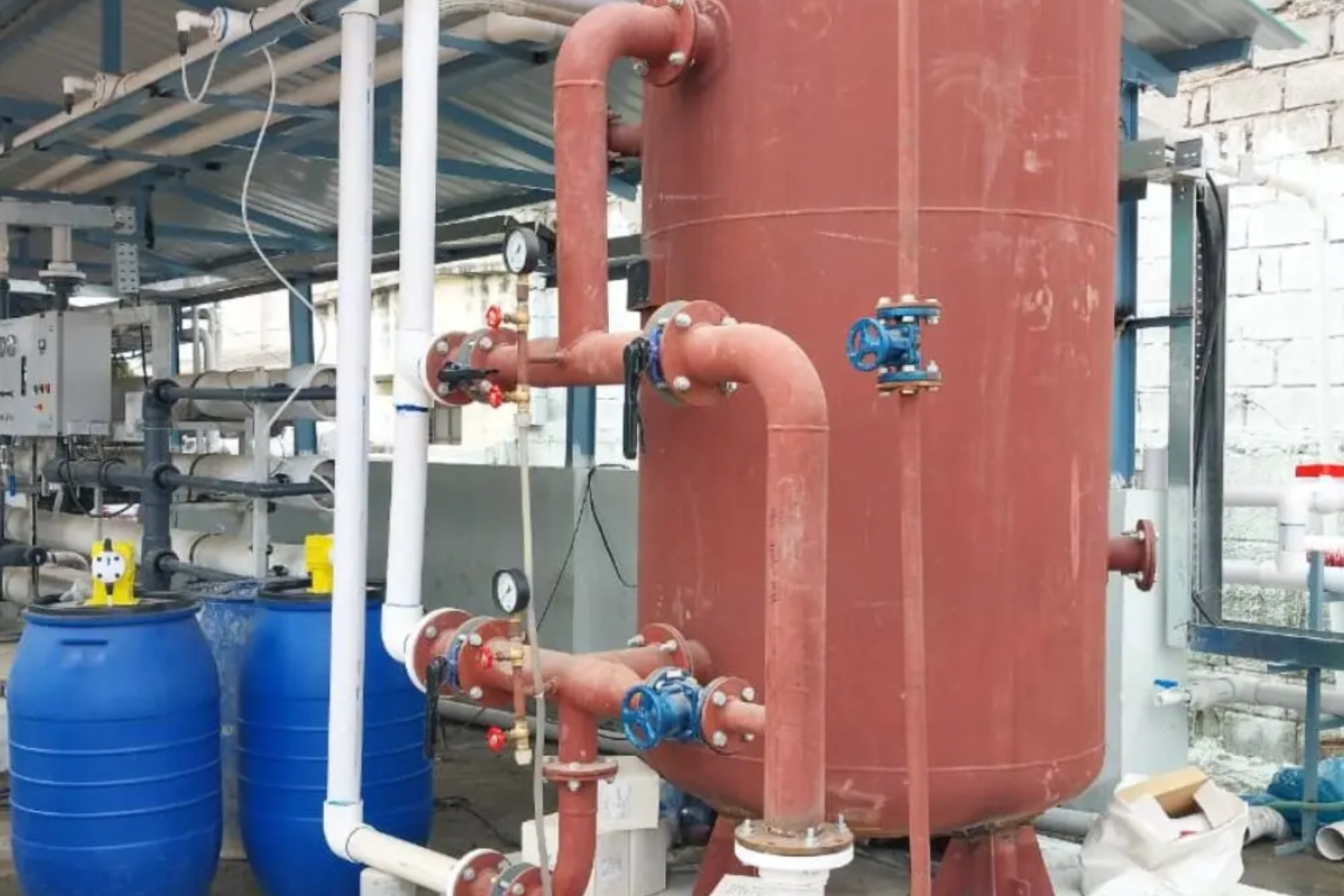
    Let’s address the elephant in the room: yes, whole-house RO systems are an investment. Between the equipment, pre-treatment (often needed to protect the RO membrane), installation, and maintenance, you could be looking at several thousand dollars.

    But here’s the other side of that coin—how much are you spending on bottled water each year? On repairs for water heaters clogged with scale? On skincare products trying to fix irritation that could actually be water-related?

    Plus, many high-end systems are built to last and come with warranties, monitoring features, and even smart tech integrations. So while the initial outlay is higher, the long-term payoff—financial and otherwise—is hard to ignore.


    Is It for Everyone?

    Not necessarily. Whole-house RO systems make the most sense in certain scenarios—like if you have well water with high contamination levels, live in an area with poor municipal water quality, or have specific health concerns that demand top-tier filtration.

    In other cases, a smaller under-sink system or a water softener might do the trick. But if you’re someone who wants peace of mind across the board, from kitchen to shower, a whole home RO system might be exactly what you’re looking for.

    Just keep in mind that RO systems do waste some water during filtration (though newer models are much more efficient), and you’ll need space for a storage tank and pre-treatment components like sediment or carbon filters.


    Installation Tips and Must-Know Details

    RO systems aren’t exactly plug-and-play. You’ll want to work with a qualified installer who can assess your current water quality and recommend the right pre-filters and tank size. Depending on your needs, you might also want a re-mineralization filter to add back healthy minerals like calcium and magnesium.

    Ask your installer about maintenance, too. RO membranes typically last 2–5 years, while pre-filters need to be swapped out more frequently. Don’t skip this—proper upkeep is what keeps your system running smoothly and your water truly clean.


    Final Thoughts: A Smarter Way to Live

    At the end of the day, water isn’t just water. It’s something you use every day in more ways than you think. And when it’s clean, safe, and chemical-free, you feel the difference—in your body, your home, even your peace of mind.

    So if you’ve been debating whether it’s worth the upgrade, consider this: a whole house reverse osmosis system doesn’t just filter water—it transforms how you experience it. From better-tasting meals to gentler showers and longer-lasting appliances, it’s an upgrade that ripples through every part of your life.

  • Lighting the Way Forward: Why Great Electrical Work is the Backbone of Modern Infrastructure

    Lighting the Way Forward: Why Great Electrical Work is the Backbone of Modern Infrastructure

    Step onto any construction site, walk into any newly built hospital, or glance up at the floodlights of a well-lit stadium. What you don’t always see—but absolutely feel—is the careful, skilled work of electricians. Behind every functional outlet, humming HVAC system, and glowing corridor lies a story of precision, planning, and hands-on expertise. Electrical work isn’t just about wires and switches. It’s about safety, foresight, and building the backbone of spaces we live, work, and recover in.

    Let’s talk a little about that today—not with stiff jargon or robotic praise, but through the eyes of someone who admires the sheer grit and detail involved in the trade. Because if you’ve ever watched an experienced electrician at work, you’ll understand: this isn’t just a job. It’s craftsmanship.


    More Than Just Lights and Outlets

    People often underestimate how deeply electrical systems are woven into every part of our lives. It’s easy to take for granted that lights turn on with the flick of a switch or that machines in an operating room just… work. But behind those smooth experiences is planning, code compliance, a ton of measuring, and even more problem-solving.

    And no place is that more important—or more demanding—than hospitals and clinics. The pressure’s real. You can’t afford downtime in an emergency room. That’s why healthcare facility electrical jobs demand not only a steady hand but a cool head. Whether it’s installing isolated power systems for operating theatres or ensuring backup generators kick in without a hiccup, there’s zero room for guesswork. This is high-stakes work, carried out quietly but critically.


    The Unseen Magic of Outdoor Lighting

    Now shift scenes a bit. Imagine pulling into a newly opened commercial lot at dusk. The parking area is well-lit, the walkways feel safe, and the building glows invitingly. Again, that sense of comfort you feel? Thank an electrician. These aren’t just a few poles with bulbs on top. They’re the result of layered planning, from calculating lumen output and spacing to trenching and weatherproofing connections.

    When it comes to site lighting installations, it’s a delicate dance between art and science. Too dim, and safety’s compromised. Too bright, and energy’s wasted (not to mention the glare). It’s all about finding that sweet spot—and it takes more than a blueprint to get it right. Real experience matters. Walking the site, feeling the space, predicting how light will spill across the area on a foggy night or a rainy morning… those things don’t come from a textbook.


    The Personal Touch of Craftsmanship

    Let’s talk tools, hands, and heart for a second. There’s something undeniably satisfying about watching a seasoned electrician do their thing. The confident way they strip a wire, how they keep mental notes of circuit paths, how their tool bag is always, somehow, perfectly organized. It’s like watching a chef or a sculptor—years of repetition have created muscle memory, intuition, and a subtle style unique to each worker.

    That’s the quiet power of electrician craftsmanship. It’s not just about following the National Electrical Code to the letter (though they absolutely do). It’s about pride in clean conduit runs, labeling everything clearly, testing every connection not once but twice. This level of care? You don’t teach it in a weekend course. It comes from years on the job, learning from mistakes, and wanting your work to speak even when you’re not around.


    It’s Also a Team Sport

    What most outsiders might not realize is just how collaborative this trade can be. Sure, there are solo tasks, but large projects—especially in commercial or institutional spaces—are all about coordination. Electricians are working shoulder to shoulder with HVAC teams, drywall crews, painters, and even IT specialists. One misstep, one unsynced task, and it’s back to square one.

    In healthcare or industrial builds, for instance, the timeline’s tight, the budget tighter, and the expectations sky-high. Good electricians know when to lead and when to adapt. That flexibility—balancing code compliance with practical site constraints—isn’t taught. It’s earned.


    Not Just a Trade, But a Lifeline

    You probably wouldn’t think of a construction worker or electrician as part of a community’s emergency response system. But think back to hurricane zones or areas hit by wildfires. One of the first priorities? Getting power back online. That’s electricians, often working around the clock, in rain-soaked gear, risking injury—not for applause, but because they know it needs doing.

    The same goes for planned developments. New neighborhoods aren’t just about bricks and roads. They’re about wiring that keeps homes running, families safe, and businesses growing. Electrical work doesn’t shout for attention. But its absence? Oh, you’d notice that right away.


    Future-Proofing and Innovation

    With the rise of smart homes, electric vehicles, and green buildings, electrical work is evolving. Solar installations, EV charging ports, motion-sensitive lighting, and automated systems are becoming the norm. But all these sexy new tech toys still need wiring, grounding, and safe integration into existing systems.

    Electricians today aren’t just tradespeople—they’re tech-savvy problem solvers. They need to understand how to wire a solar inverter just as well as they understand a breaker panel. That blend of old-school skill and new-school knowledge is what keeps the world turning.


    Final Thoughts

    So next time you flip a light switch, plug in your phone, or pass under a glowing streetlight late at night, spare a second to appreciate the people who make that possible. It’s not just about current and voltage. It’s about care, consistency, and a kind of invisible pride that lights up the world—one circuit at a time.

    Real electrical work isn’t glamorous. It doesn’t go viral on social media. But it’s the quiet thread that holds modern life together. And the men and women behind it? They deserve more than just a thank-you. They deserve recognition as master builders of the future.

  • Exploring Kolkata the Right Way: Why Renting a Vehicle Makes All the Difference

    Exploring Kolkata the Right Way: Why Renting a Vehicle Makes All the Difference

    There’s something utterly magnetic about Kolkata. Whether it’s the timeless yellow taxis navigating colonial streets, the smell of telebhaja on rainy evenings, or the poetry of Tagore floating through College Street—this city doesn’t just ask you to visit, it invites you to feel. But, here’s the catch. To truly feel Kolkata, you’ve got to move with it, not against it. And for that, having the right ride is everything.

    Getting Around Kolkata—The Challenge

    If you’ve ever tried weaving through Gariahat’s market crowd in a rickshaw during Durga Puja or spent an hour stuck near Park Circus flyover on a Monday morning, you know what I’m talking about. Public transport has its charm—those iconic trams, the metro with its rhythmic hum—but it doesn’t always align with convenience, especially if you’re on a tight schedule, traveling with a group, or exploring the outer fringes of the city.

    That’s where the idea of renting a vehicle—your own little escape pod—starts making perfect sense.

    When Group Travel Meets Comfort: The Rise of Tempo Travellers

    Let’s paint a picture. You’re in town with your family, maybe a few relatives, or a bunch of friends. You’ve got Kalighat Temple, Eco Park, Dakshineswar, and a detour to Shantiniketan on the list. Coordinating Ubers? Nightmare. Jostling for bus seats? No, thank you.

    Enter the unsung hero of group travel—the Tempo Traveller in Kolkata. These aren’t your dusty, bone-rattling minibuses from the 90s. The newer models are sleek, air-conditioned, with plush pushback seats and enough legroom to stretch without elbowing your cousin. Some even come with charging ports and entertainment screens (yes, you can actually binge-watch while crossing Howrah Bridge).

    More importantly, you all stick together. No getting separated, no stress about which cab has the bags or who’s lost in the metro crowd. Everyone’s onboard, literally.

    Not in a Group? No Worries. Solo and Couple Explorations Deserve Their Own Wheels Too

    Now, if you’re more the solo traveler or traveling as a pair, don’t scroll away just yet. The joy of a road trip—sunlight slanting through the windshield, a playlist humming low, and the freedom to pause anywhere—doesn’t need a crowd.

    Whether you’re heading to the Sundarbans for a weekend retreat, planning a surprise trip to Mandarmani for someone special, or even just hopping between food joints (because come on, Kolkata = food!), booking a ride just makes it easier.

    A quick search will throw up plenty of options for Car rental Kolkata services, from compact sedans to premium SUVs. No drama, no long forms—just keys, wheels, and the open road.

    Local Travel with Local Insights

    One underrated advantage of renting locally? The drivers. Most of these agencies provide drivers who aren’t just there to steer. They’re part-guide, part-foodie, part-storyteller. Ask them about the best biryani place that’s not Zomato-famous, and they’ll take you. Ask about haunted spots in North Kolkata or shortcuts during political rallies—they know it all.

    And if you’re confident enough to go driverless, having your own car still opens up experiences you’d otherwise skip: impromptu tea at a roadside stall, a quick stop at a random bookshop, a selfie at Princep Ghat just because the lighting’s good.

    A Note on Budget and Flexibility

    “But is it affordable?” That’s the big question, right? Honestly, more than you’d think.

    Daily rentals are surprisingly budget-friendly, especially when split across a group. Most services offer packages that include fuel, tolls, and driver allowance—so you’re not getting surprise bills mid-journey. Plus, the flexibility to start and end your day on your own clock? Worth every rupee.

    Wrapping Up the Journey

    Kolkata is not just a destination—it’s an experience that unfolds lane by lane, cup by cup of chai, and step by step through its contradictions. Whether you’re a first-timer or someone who knows every tram route, how you move around makes all the difference.

    So next time you’re planning a trip—or even a weekend outing—consider renting wheels instead of chasing autos or refreshing app screens. Trust me, with the right ride and the right people (or just the right playlist), every road in Kolkata becomes a story waiting to be told.

  • When Your Washer Breaks Down: Real Talk on Sudden Laundry Disasters and How to Deal

    When Your Washer Breaks Down: Real Talk on Sudden Laundry Disasters and How to Deal

    There’s a unique kind of chaos that unfolds when your washing machine breaks down mid-cycle. Socks half-washed, your kid’s school uniform soaked and dripping, and the unmistakable smell of wet laundry beginning to creep into the air. It’s not dramatic to say: laundry disasters have the uncanny ability to wreck your day.

    If you’ve been there, staring blankly at a blinking error code while Googling “Why won’t my washer drain?”, you’re in good company. Let’s talk about what really goes down behind that humming box of metal, how to keep calm when it goes rogue, and what you can actually do about it — no fluff, no robotic jargon, just practical advice from someone who’s been through the rinse cycle.


    The Dreaded Moment: Is It the Machine or Is It Me?

    You know that internal monologue that kicks off when your washer just stops working? “Did I overload it again?” “Maybe I hit the wrong button…” “Is this because I tried to wash that rug?”

    Sometimes, it’s just user error — and we’ve all been there. But other times, it’s something deeper. That’s where a good washing machine diagnosis becomes crucial. Not just a guess or a quick online quiz, but a real assessment of what’s gone sideways under the hood.

    The control board might be shot. Or maybe it’s a clogged filter, a burnt-out motor, or a water inlet valve that’s given up the ghost. A quality diagnosis doesn’t just save you money; it saves your time and your sanity. Knowing what’s wrong gives you the power to fix it without blindly tossing money at parts you don’t need or buying a whole new washer out of frustration.


    The Panic Button: What Happens When You Need Help Now

    Here’s the thing about appliances — they never seem to break at convenient times. It’s never on a lazy Sunday afternoon when you’re just casually doing sheets. Nope. It’s usually right before a big trip, in the middle of a busy workweek, or when you’ve got guests coming and the towels are still sitting in a puddle of water.

    This is when you need what I call an emergency washer service — not a “we’ll be there in 3-5 business days” situation, but someone who understands that your laundry room has suddenly turned into a stress chamber. The right repair crew gets that urgency. They show up ready to diagnose and fix, not just stare at your washer and schedule another appointment two weeks later.

    Speed matters, but so does transparency. You don’t want a technician who talks in riddles. You want clear info, fast action, and a fair price. And ideally? A working washer by the time you’re on your second coffee.


    The Alabama Angle: Local Help That Gets It

    If you live in Alabama, you know that things run a little differently down here — in the best way. Folks are friendly, time moves a little slower, and we like doing business with people who know the value of a handshake.

    So when your washer craps out, you don’t want to deal with some mega-brand’s call center. You want Alabama washer fix pros — the ones who know the local homes, the local water quirks, and the pace of life. These aren’t just repair guys. They’re neighbors, and they treat your broken machine like it’s their own momma’s.

    Working with local repair services also means fewer wait times, easier follow-ups, and technicians who actually answer their phones. That’s the kind of reliability that’s hard to put a price on — especially when your laundry basket is overflowing and you’ve got muddy cleats to wash before game day.


    DIY or Don’t: Knowing When to Get Your Hands Dirty

    Look, YouTube tutorials are great. And sometimes, tightening a hose or resetting the machine does the trick. But other times? You’re one screwdriver away from making it worse.

    There’s no shame in calling in the pros. In fact, trying to DIY a major issue — especially with water lines and electrical components — can be risky, not to mention void your warranty. If your gut says “This feels above my pay grade,” trust that instinct.

    But for the little stuff — checking the lint trap, making sure the door is sealing properly, inspecting the drain — those are fair game. Keep your manual handy, watch a few videos, and be gentle. Your washer will thank you.


    Don’t Wait for a Disaster: Prevention Is Boring But It Works

    Nobody likes talking about maintenance. It’s like flossing for your washer. Easy to skip. But here’s the cold truth: regular care can save you hundreds in the long run.

    Basic steps? Clean the drum every few months. Run a hot wash with vinegar or a washer cleaner. Don’t slam the door shut. Check hoses for bulges. Empty your pockets (yes, coins do mess things up). And avoid overloading — your machine isn’t Superman.

    Set a reminder on your phone if you have to. Ten minutes every few months can mean years more life from your washer.


    The Mental Load of Broken Stuff

    Let’s get real for a second: a busted washing machine isn’t just about the laundry. It adds to the mental load. It’s one more thing to solve, to manage, to stress about. And when you’re juggling work, family, or just your own sanity, that broken appliance can feel like the straw that breaks the camel’s back.

    So be kind to yourself. You don’t have to fix everything yourself. You don’t have to be the “handy one.” You’re doing great — even if your spin cycle isn’t.


    Final Spin: What to Remember

    Here’s what I hope you walk away with:

    • Don’t panic — get a proper washing machine diagnosis before assuming the worst.
    • Call for emergency washer service when you need it. Your time matters.
    • If you’re in the South, go with Alabama washer fix pros who get your pace and your place.
    • Don’t be afraid to DIY the easy stuff — but know your limits.
    • Maintain your machine. Seriously. Future-you will thank you.

    And if you’re sitting in front of a flashing error code right now, just breathe. This too shall pass — and your clothes will get clean again.

  • Why Your Home’s Water Needs a Smarter Strategy (Not Just Another Filter)

    Why Your Home’s Water Needs a Smarter Strategy (Not Just Another Filter)

    We don’t think twice about flicking on a tap. The water flows, looks clean, and we assume it’s good to go. But is it? If you’ve ever paused at a strange smell or odd taste—or worse, received a boil-water advisory—you know water isn’t always as pure as it seems.

    And here’s the kicker: the solution isn’t always a one-size-fits-all filter picked off a shelf. Today, homeowners are waking up to the fact that smart water management starts with real insight. Not gimmicks. Not assumptions. Just data, expertise, and a plan that fits your home—not someone else’s.

    Let’s unpack what that means.


    The Myth of “Clean Enough” Tap Water

    Municipal water systems do a solid job, generally. But “safe” by regulatory standards doesn’t always mean “optimal” for daily use. Ever notice a chlorine-like smell? Or maybe a slimy feel in the shower? Those are subtle signs that your water’s chemistry might be off.

    And if you’re on well water? You’re playing a whole different game. Private wells aren’t regulated, which means contaminants—from bacteria to heavy metals—could be sneaking in silently.

    That’s where advanced water testing comes into play. It’s not about overreacting. It’s about getting the full picture. A good water test will look beyond basic bacteria and pH, diving into volatile organic compounds (VOCs), heavy metals like arsenic or lead, nitrates, chlorine byproducts, and even pharmaceutical residues. Sounds scary? Maybe. But knowing is better than guessing.


    Filters Are Not Magic Wands (And That’s Okay)

    Here’s the truth: even the most expensive filter won’t fix the wrong problem.

    People often buy popular brands expecting them to solve everything—smells, stains, hardness, health concerns—but wind up disappointed. That’s not the filter’s fault. It’s the fault of trying to solve a specific issue with a generic solution.

    Think of it like going to a doctor and asking for medicine before getting diagnosed. Doesn’t make sense, right? Your home’s water is the same way.

    Which brings us to the next key point…


    Custom Solutions, Not Cookie Cutters

    Every home is different. The source of the water, the plumbing infrastructure, household size, and even regional contaminants vary widely. This is why you shouldn’t settle for generic advice or randomly chosen filters.

    Instead, once you’ve tested your water, the next step is building a tailored filtration plan. What does that mean in practice?

    Well, if your water is hard and full of calcium and magnesium, a water softener might be necessary—but maybe not a reverse osmosis system. On the flip side, if you’re dealing with chloramines and trace pharmaceuticals, you may need catalytic carbon filters or advanced UV sterilization.

    It’s not just about more filtering. It’s about the right kind of filtering—at the right stage, and sometimes in multiple stages (like sediment + softener + UV or RO).

    A tailored approach also helps you avoid overpaying for tech you don’t need or underinvesting where it really matters.


    What Are You Really Drinking?

    Let’s talk about what’s actually in your water. Because unless you’ve done a deep dive, chances are high there’s stuff you don’t want floating in your glass—or cooking in your pasta water.

    Common issues that pop up?

    • Lead – Especially in older homes with dated plumbing
    • PFAS (forever chemicals) – Widespread in urban areas
    • Chlorine & Chloramines – Meant to disinfect, but can irritate skin and affect taste
    • Arsenic – Found in some groundwater, especially near industrial zones
    • Bacteria & Cysts – If you’re using well water, you’re definitely at risk

    Even small concentrations over time can be harmful—especially for kids, seniors, or anyone with compromised immunity. That’s why a big part of filtration isn’t just about comfort. It’s about contaminants reduction—the kind that protects long-term health.


    Real-Life Example: Sarah’s Story

    Let me share a quick story.

    Sarah lives in a charming farmhouse in rural Michigan. Lovely place. Scenic. But her well water? Not so lovely. She had constant sediment buildup, funny-tasting coffee, and her kids developed rashes in the bath. Plumber after plumber recommended basic filters, softeners—none of which fixed the issue.

    Eventually, she got a full test done. Turns out, her water was high in iron bacteria and sulfur. No wonder nothing worked.

    Once she had the data, a professional helped her build a custom setup: a sediment pre-filter, an oxidizing filter for the sulfur smell, and a UV sterilizer. It wasn’t cheap. But it solved the problem completely. No more rashy baths. No more coffee with a metallic twist.

    It was a lightbulb moment: the fix wasn’t more gear. It was the right gear.


    The Long-Term Payoff

    There’s something empowering about knowing your water is clean—not just assumed to be. You start drinking more of it. Cooking tastes better. Your appliances last longer. Even your skin feels different after a shower.

    And while setting up a proper system may feel like an investment upfront, it often saves money in the long run. Fewer plumbing issues. Fewer replacements for damaged fixtures or stained clothing. Better health outcomes. That’s real ROI.

    Plus, let’s not forget the environmental benefit. When your tap water is good, you don’t need to rely on bottled water—a win for the planet and your wallet.


    A Note of Caution (and Empowerment)

    Let’s be clear: not everyone needs a massive overhaul. Sometimes, a single under-sink filter or showerhead upgrade is enough. The key is to base your choices on knowledge, not fear or marketing hype.

    Start with testing. Get professional insights if you can. And don’t let confusing tech terms or sales pressure steer the ship. You’re the one living in the house. You deserve to know what’s in your water and how to fix it—if it needs fixing at all.

    Because when it comes to your health, your family, and your peace of mind, clean enough just isn’t good enough.


    Final Thought: Clarity Begins with Clarity

    We’ve been conditioned to accept whatever flows from the tap. But just like we’ve become smarter about food labels and air quality, it’s time to get smart about water too.

    Not in a paranoid, doomsday kind of way—but in a proactive, informed way.

    Your water’s not generic. Your filtration system shouldn’t be either. Start with advanced water testing, build a tailored filtration plan, and aim for meaningful contaminants reduction. That’s not just smart. That’s essential.

    And once you’ve tasted the difference, you’ll wonder why you ever settled for less.

  • A Simple Guide to Buying Kerala Lottery Tickets Online Safely

    A Simple Guide to Buying Kerala Lottery Tickets Online Safely

    The idea of trying your luck with a lottery has always carried a certain charm. In recent years, the shift toward digital platforms has made it easier than ever to participate without stepping outside. If you’ve ever wondered how to access Kerala lottery tickets online, you’re not alone. More people are exploring digital options for convenience, speed, and accessibility.

    Understanding Kerala Lottery System

    Kerala’s lottery system is one of the most organized and transparent in India. Operated by the state government, it has gained trust over decades due to its structured approach and public welfare contributions. Each ticket offers a chance at life-changing rewards, but equally important is understanding how the system works before jumping in.

    Online access doesn’t change the rules of the game—it simply changes how you participate. The same draw schedules, prize structures, and guidelines apply whether you buy offline or digitally.

    Why People Prefer Online Purchase

    Convenience is the biggest reason people turn to digital platforms. Instead of visiting a local vendor, you can explore options from your phone or laptop. It saves time, reduces effort, and offers a smoother experience overall.

    Another factor is accessibility. Even if you’re not physically present in Kerala, digital platforms make it possible to explore available tickets and stay updated on results. For many users, this flexibility is a major advantage.

    How to Buy Tickets Online

    If you’re planning a kerala lottery ticket buy online, it’s important to choose a reliable and authorized platform. Not all websites offering lottery services are genuine, so always verify authenticity before making any transaction.

    The process is usually straightforward:

    • Visit a trusted website or app
    • Select the desired lottery draw
    • Choose your ticket number or let the system assign one
    • Complete the payment securely

    Once done, you typically receive a digital copy or confirmation of your ticket, which you can use to check results later.

    Safety and Legal Considerations

    While the online space is convenient, it also comes with risks. Not every platform is officially recognized, and falling for fake websites can lead to financial loss. Always double-check credentials, read reviews, and avoid deals that seem too good to be true.

    In India, lottery regulations can vary by state. Kerala lotteries are legal within the state, but online purchase may fall into a gray area depending on how the service is offered. Being aware of local rules helps you stay on the safe side.

    Benefits of Going Digital

    Opting for kerala lottery ticket online purchase offers several advantages beyond convenience. For one, you don’t have to worry about losing a physical ticket. Everything is stored digitally, making it easier to track and manage.

    You also get instant notifications about results, updates, and upcoming draws. This adds a layer of ease that traditional methods simply can’t match. Some platforms even provide analytics or past results, helping you make more informed choices.

    Tips for a Better Experience

    A few simple habits can improve your overall experience:

    • Set a budget and stick to it
    • Avoid chasing losses
    • Treat lottery participation as entertainment, not investment
    • Keep records of your purchases and results

    It’s easy to get carried away, especially when the process is just a few clicks away. Staying disciplined ensures that the experience remains enjoyable rather than stressful.

    Final Thoughts

    Buying Kerala lottery tickets online is a modern twist on a traditional system. It brings convenience and accessibility to the forefront while maintaining the same excitement that lotteries have always offered.

    That said, the key lies in staying informed and cautious. Choose trusted platforms, understand the rules, and approach it with a balanced mindset. After all, the real value isn’t just in winning—it’s in enjoying the experience responsibly.

  • Behind the Walls and Under the Floors: A Real Look at Plumbing Done Right

    Behind the Walls and Under the Floors: A Real Look at Plumbing Done Right

    There’s something satisfying about a job done well—especially when it’s something you never want to worry about again, like plumbing. You might not think about it much until something goes wrong: a dripping tap, a mysteriously rising water bill, or the dreaded gurgling from a drain. But behind the drywall, under the floors, and hidden in the crawlspaces, plumbing is the quiet hero of your home or business.

    Now, we’re not here to glamorize wrenches and water lines. Instead, let’s talk real-world results, from the eye-opening messes we’ve encountered to the proud moments when a system ran like a dream. Whether you’re a homeowner browsing for inspiration or a contractor nodding along, this one’s for you.


    The Messy Beginning: Every Great Job Starts with a Problem

    Let’s be honest: most plumbing jobs don’t start with a happy customer. They begin with a panic call. “There’s water pouring into my basement!” “The shower smells like sewage!” We’ve seen it all—from corroded copper lines that crumble at a touch to mystery leaks hiding like phantoms in the walls.

    It’s in these messy beginnings that plumbing craftsmanship shines. It’s not just about patching a leak or swapping a faucet. It’s about diagnosing problems at the root, planning for longevity, and installing solutions that hold up over time. And yes, sometimes that means crawling through spider-filled attics or jackhammering through concrete. Not glamorous, but essential.


    A Craft Rooted in Precision (and a Bit of Grit)

    There’s a certain art to it—measuring pipe runs to the millimeter, cutting clean threads, ensuring perfect slope for drainage. It’s a mix of brain and brawn. There are days we puzzle over blueprints and days we dig ditches. Each joint sealed, each valve tightened, each system tested—it’s a rhythm that comes with time, patience, and a lot of sweat.

    The magic happens when the water flows exactly as intended. Hot when it’s supposed to be, cold when it needs to be. Drains that don’t gurgle. Toilets that flush like a dream. It’s this attention to detail, this sense of pride in invisible work, that separates the slapdash jobs from the masterpieces.


    Let the Work Speak: What Real Success Looks Like

    One of the best ways to understand the impact of a good plumber? Take a stroll through project photos and examples. You’ll see tidy mechanical rooms, with labeled lines and color-coded systems. You’ll notice shower systems that look more like spa blueprints, with body jets, rain heads, and thermostatic valves all hidden behind elegant tile.

    But it’s not just about appearances. Those photos tell stories—of homeowners who no longer have to worry about rusty pipes, of restaurants that passed their inspections with flying colors, of renovations that stayed dry through every season.

    These examples are proof that plumbing isn’t just a utility—it’s part of the structure’s story. And when done right, it stays invisible… because it just works.


    Stories from the Field: From Chaos to Calm

    There was the time we handled a century-old farmhouse whose original pipes were, let’s just say, “vintage.” After weeks of meticulous planning, a complete repipe brought modern efficiency without disturbing the charm of the home.

    Or the office building where a single pinhole leak behind a wall had caused thousands in mold damage. The fix involved thermal imaging, surgical wall cuts, and hours of delicate rerouting—but we got it sealed, sanitized, and restored.

    These aren’t just jobs. They’re successful plumbing jobs that brought relief, safety, and peace of mind. The kind you remember—not because they were dramatic, but because they solved something that mattered.


    Why the Details Matter (Even the Ones You’ll Never See)

    It’s tempting to think, “As long as it works, who cares what’s behind the wall?” But trust us, bad work shows up eventually. We’ve come behind “quick fixes” that failed in under a year. Teflon tape used wrong. Wrong pitch on drains. Valves installed backward. It’s like discovering someone rebuilt your car engine with duct tape and hope.

    That’s why pros insist on the small things: secure hangers, pressure tests, proper expansion loops, and accessible shut-offs. These aren’t extras. They’re the bones of a safe, durable system.

    And that care doesn’t stop after the install. Great plumbers document their work, explain what they did, and give clients a roadmap. Because real plumbing craftsmanship isn’t just about doing the job—it’s about leaving the customer empowered.


    The Trust Factor: Why Homeowners Keep Coming Back

    There’s no Yelp rating high enough to measure the trust that builds after a few solid jobs. When someone lets you into their home to fix a leak or remodel a bathroom, they’re counting on your integrity, skill, and care. And when you deliver—on time, within budget, no cut corners—that trust deepens.

    Eventually, you’re not just a contractor. You’re “our plumber.”

    That’s why we take before-and-after shots. Why we send follow-ups. Why we talk honestly, even when the truth is, “Hey, this is going to take a little longer.” Because we know that trust built on transparency is worth more than any marketing pitch.


    Wrapping It Up: Plumbing, with Pride

    So here’s the thing. Plumbing may not be flashy. There are no red carpets for copper pipes, no fanfare for a flawless drain setup. But in the quiet reliability of a well-done job, there’s something beautiful.

    It’s in the knowledge that someone can take a hot shower every morning without a second thought. That a family can cook, clean, and live comfortably because the systems beneath their feet were crafted with care.

    If you’re planning a renovation, buying a home, or just tired of “quick fixes” that don’t last, take the time to choose a pro who cares about the details. Ask questions. Look at project photos and examples. Ask what they’ve handled. Check their finishes. Because the best plumbing jobs are the ones that speak for themselves—silently, steadily, and without a single drop out of place.


    Final Word: Craftsmanship Isn’t Dead—It’s Just Hidden Behind the Walls

    In a world rushing toward automation and speed, there’s something deeply reassuring about a craft that still relies on human skill, patience, and pride. The tools may have changed. The materials might be smarter. But the heart of the work—solving real problems, protecting homes, building trust—remains beautifully the same.

    So here’s to the unsung systems and the people who install them right. May every successful plumbing job be the quiet backbone of a peaceful home.