whole house air purification
There’s a moment many people experience without even realizing it. You step outside after a long day indoors, take a deep breath, and suddenly the air feels lighter — fresher somehow. It’s subtle, but noticeable enough to make you wonder why the air inside didn’t feel quite the same.
That realization often marks the beginning of a new awareness: indoor air quality matters far more than most of us ever thought.
We spend the majority of our time inside homes, offices, or shared spaces. And while we pay attention to what we eat or drink, we rarely consider what we’re breathing all day long. Yet air quality quietly shapes everything from sleep and energy levels to long-term health.
Once people begin noticing that connection, they often start exploring ways to improve the environment inside their homes.
Why Indoor Air Can Be More Polluted Than Outdoor Air
It might seem surprising, but indoor air is often more polluted than outdoor air. Modern homes are built to be energy-efficient, which means they’re tightly sealed to maintain temperature control.
While this helps reduce energy costs, it also traps airborne particles inside.
Dust, pet dander, cooking fumes, cleaning chemicals, and even microscopic fibers from furniture accumulate over time. Add in seasonal pollen and humidity fluctuations, and indoor air can quickly become heavy and uncomfortable.
Many homeowners don’t realize how much this affects them until symptoms appear — persistent allergies, headaches, or difficulty sleeping.
Addressing indoor air quality isn’t just about comfort. It’s about supporting overall well-being.
Moving Beyond Portable Air Purifiers
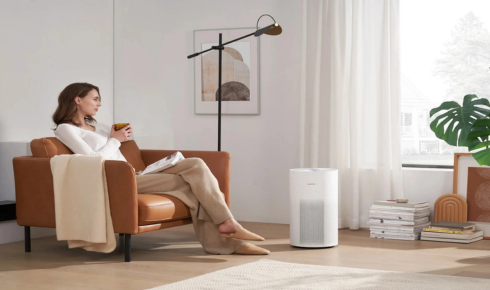
For years, most people relied on small, portable air purifiers to improve indoor air conditions. While these devices can help in individual rooms, they often struggle to address air quality throughout an entire home.
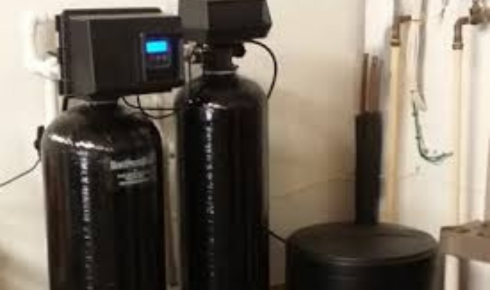
This is where whole house air purification systems have gained attention. Unlike standalone units, these systems integrate directly with HVAC infrastructure, treating air as it circulates through the entire living space.
The result is consistent air quality across all rooms rather than isolated improvements in specific areas.
Homeowners who install whole-house systems often describe a noticeable shift — reduced dust accumulation, fewer allergy symptoms, and an overall sense of freshness that extends throughout the home.
It’s not an immediate dramatic change. Instead, it’s a steady improvement that becomes more apparent over time.
The Role of Expertise in Maintaining Air Quality
Installing advanced air purification systems isn’t a simple do-it-yourself task. Proper placement, calibration, and integration with existing infrastructure are essential for optimal performance.
This is where reliable professional service becomes critical. Experienced technicians assess factors such as home size, airflow patterns, and existing HVAC conditions before recommending appropriate solutions.
Regular maintenance also plays a vital role. Filters require periodic replacement, and system performance must be monitored to ensure efficiency.
Homeowners who work with qualified professionals often experience more consistent results and fewer long-term issues.
Because when it comes to air quality, precision matters.
Why System Design Influences Long-Term Effectiveness
Air purification isn’t just about installing equipment — it’s about creating a system that works harmoniously with the home’s overall infrastructure.
An efficient design considers airflow distribution, energy consumption, and compatibility with existing heating and cooling systems. Poorly designed setups can lead to uneven air treatment or increased energy costs.
Well-designed systems, on the other hand, operate quietly and seamlessly. They improve air quality without requiring constant attention or causing disruptions.
Over time, this efficiency translates into both financial savings and greater comfort.
And perhaps most importantly, it allows homeowners to enjoy cleaner air without constantly thinking about it.
The Emotional Benefits of Cleaner Indoor Air
Beyond physical health improvements, enhanced air quality offers emotional benefits that are often overlooked.
Clean air creates a sense of calm. It supports better sleep, reduces daily discomfort, and contributes to an overall feeling of well-being.
Many homeowners describe feeling more relaxed in environments where air feels fresh and balanced. It’s not something they consciously focus on — it’s simply a background condition that makes living spaces more comfortable.
This emotional aspect often becomes one of the most valued outcomes of improving air quality.
Because when your home environment supports your health quietly, it allows you to focus on everything else that matters.
Small Steps That Make a Meaningful Difference
Improving indoor air quality doesn’t always require major upgrades. Simple habits such as regular ventilation, cleaning air filters, and reducing indoor pollutants can make a noticeable impact.
However, combining these practices with advanced purification systems often delivers the most consistent results.
Over time, these efforts create a living environment that feels lighter, cleaner, and more supportive of daily life.
Many homeowners who invest in air quality improvements say they wish they had started sooner — not because of dramatic changes, but because of the steady comfort they experienced afterward.
A Thoughtful Ending: The Quiet Power of What We Breathe
At its core, a healthy home is more than just a physical structure. It’s an environment that supports both physical and emotional well-being.
Clean indoor air plays a crucial role in creating that environment. It influences how we sleep, how we feel, and how comfortably we live each day.
Taking steps to improve air quality isn’t about chasing perfection. It’s about recognizing that something as simple as the air we breathe can have a profound impact on our lives.
About the Author