Category: Health

  • Oncology Research and Global Leadership: Clinical Trials Driving Progress in 2025

    Oncology Research and Global Leadership: Clinical Trials Driving Progress in 2025

    The clinical research sector continues to demonstrate resilience and innovation in 2025, with significant advancements in oncology studies and global trial leadership. From pancreatic cancer to solid tumors and institutional expansion in the Middle East, updates reported by Clinical Trial Vanguard highlight how science, collaboration, and infrastructure are combining to transform patient care.

    In oncology, Mirati Therapeutics has released new data on Daraxorasib, supporting the progression of its program into a Phase 3 pancreatic cancer trial. Pancreatic cancer remains one of the most difficult-to-treat malignancies, often diagnosed at advanced stages with limited treatment options. Daraxorasib, a KRAS inhibitor, has shown promising efficacy and safety signals, encouraging researchers to move forward with large-scale evaluation. Success in Phase 3 could bring a much-needed breakthrough therapy for a patient population with few effective choices, underscoring the critical importance of precision medicine in oncology (source – Clinical Trial Vanguard).

    At the same time, Trethera announced the completion of enrollment for its Phase 1 clinical trial in solid tumors. The investigational drug targets deoxycytidine kinase (dCK), a key enzyme involved in DNA synthesis and repair. By inhibiting this pathway, Trethera hopes to disrupt cancer cell proliferation while sparing normal cells. Completion of enrollment marks an important milestone, moving the trial toward data readouts that will assess safety, tolerability, and preliminary signs of efficacy. This program reflects the growing interest in novel molecular targets that can expand the arsenal of therapies for patients with solid tumors who often experience resistance to existing treatments (source – Clinical Trial Vanguard).

    Beyond individual therapies, institutional leadership in clinical trials is also gaining attention. The King Faisal Specialist Hospital and Research Centre (KFSHRC) in Saudi Arabia has positioned itself as a leading hub, conducting 48 clinical trials across diverse therapeutic areas. This leadership reflects both investment in research infrastructure and a commitment to advancing global healthcare standards. KFSHRC’s role in spearheading studies not only benefits patients in the region but also contributes to the global body of evidence guiding treatment decisions. By fostering collaborations and prioritizing clinical research, the institution demonstrates how regional centers can influence the broader landscape of medical innovation (source – Clinical Trial Vanguard).

    Together, these updates highlight three essential dynamics shaping clinical research in 2025:

    1. Precision oncology advancements – Daraxorasib’s potential in pancreatic cancer reflects the promise of targeted therapies.

    2. Novel mechanisms in solid tumors – Trethera’s dCK inhibitor broadens opportunities for patients resistant to standard care.

    3. Global trial leadership – KFSHRC showcases how institutional excellence drives regional and international progress.

    As oncology programs move forward and clinical leadership expands globally, patients stand to benefit from broader treatment options, improved access to cutting-edge care, and accelerated progress against some of the world’s most challenging diseases.

    Published by Clinical Trial Vanguard
     For continuous updates on the latest clinical trial advancements and research breakthroughs, visit https://www.clinicaltrialvanguard.com/

  • Wellness and Mobility with Supportive Healthcare Products

    Wellness and Mobility with Supportive Healthcare Products

    Good health depends not only on medical care but also on the right supportive products that make daily life easier and more comfortable. Whether it’s reducing joint strain, improving posture, or assisting with mobility, tools like a kneecap brace, a cervical pillow, an LS belt, or even researching wheelchair price Mumbai can play an important role in building a healthier routine. With carefully designed solutions from trusted brands like VisscoNext, individuals can experience both relief and long-term wellness benefits.

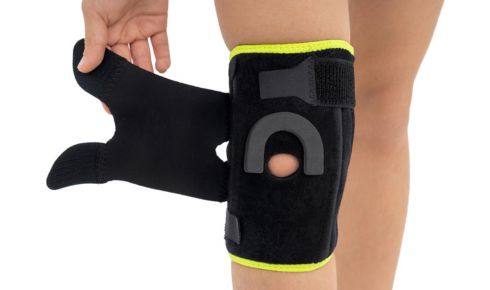
    Joint Stability with a Kneecap Brace

    A kneecap brace is a valuable support for people dealing with knee pain, sports-related injuries, or post-surgery recovery. It helps reduce pressure on the knee joint, improves stability during movement, and prevents the risk of further strain. VisscoNext braces are lightweight, breathable, and easy to wear for extended periods, making them suitable for daily use and active lifestyles alike.

    Neck Comfort with a Cervical Pillow

    The right sleeping posture is crucial for overall wellness, and a cervical pillow helps maintain natural spinal alignment while resting. This reduces stiffness, neck pain, and headaches that can result from poor positioning. VisscoNext cervical pillows combine soft cushioning with supportive structure, ensuring restful sleep and improved neck health over time.

    Lower Back Care with an LS Belt

    An LS belt (lumbosacral belt) offers firm support to the lower back, making it especially useful for those with lumbar pain, muscle strain, or posture-related discomfort. It stabilises the spine, encourages better alignment, and reduces discomfort during movement. VisscoNext LS belts are designed with skin-friendly, adjustable materials that provide effective support while remaining comfortable throughout the day.

    Understanding Wheelchair Price

    When exploring wheelchair price, costs can vary depending on factors like design, durability, and added features. Lightweight, foldable models are convenient for travel, while sturdier options provide greater long-term support. VisscoNext offers a wide range of wheelchairs to suit different needs and budgets, ensuring that users can find a balance between affordability and reliable quality.

    Why Trust VisscoNext Solutions

    Every VisscoNext product is created with attention to comfort, durability, and user safety. Their healthcare aids are developed to support recovery, prevent strain, and improve overall quality of life, making them trusted solutions for everyday wellness.

    Final Word

    From a kneecap brace to a cervical pillow, an LS belt, or even researching wheelchair price Mumbai, the right supportive products can make a meaningful difference in health and mobility. With high-quality solutions from VisscoNext, individuals can enjoy greater comfort, independence, and long-term well-being.

  • Elevating Radiology with Agfa’s Smart Imaging Solutions

    Elevating Radiology with Agfa’s Smart Imaging Solutions

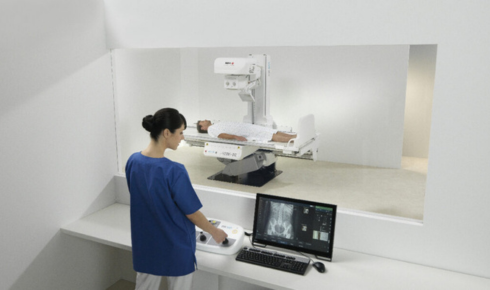
    As radiology departments evolve, hospitals and clinics face the challenge of upgrading imaging systems without disrupting existing infrastructure or workflows. Agfa meets this need with a suite of innovations that includes DR Retrofit, Duraline panels, and DR Detectors. Each solution is designed to deliver digital transformation while keeping continuity, affordability, and reliability at the forefront.

    DR Retrofit – Digital Radiography Without Room Redesign

    Switching to digital radiography does not always require rebuilding an entire X-ray room. Agfa’s DR Retrofit enables healthcare providers to upgrade analogue systems to full digital workflows using existing mechanical infrastructure. This approach saves resources and time.

    The DR Retrofit includes wireless detectors, acquisition software, and seamless integration with PACS and RIS. Once installed, it enables immediate image preview, faster exam throughput, and enhanced diagnostic efficiency. Radiology teams can adopt digital workflows with minimal staff retraining and little operational downtime, making it an ideal choice for institutions looking to modernise quickly and cost effectively.

    Duraline Panels – Durability Meets Imaging Precision

    High-volume radiology environments require detectors that can keep pace with daily use. Duraline panels from Agfa deliver rugged construction paired with exceptional image quality.

    These flat-panel detectors are built with robust housings that withstand drops and fluid exposure. Featuring IP67 protection, they are ideal for demanding settings such as emergency departments, mobile units, and portable wards. Their Cesium Iodide (CsI) scintillators enable high-resolution imaging with reduced radiation exposure.

    Lightweight and wireless, Duraline panels support efficient workflows and patient comfort. They integrate easily into both DR Retrofit systems and new digital rooms. Consistent image clarity and reduced maintenance ensure high uptime and longevity.

    DR Detectors – The Core of High-Performance Imaging

    Across both retrofitted and new digital radiography environments, Agfa’s DR Detectors offer flexible, high-performance imaging capabilities.

    These detectors are available in a variety of sizes and are optimised for applications ranging from general radiography to trauma and skeletal imaging. Designed for wireless use, they reinforce mobility in digital systems. Coupled with Agfa’s MUSICA image processing technology, DR Detectors deliver automatic contrast optimisation, enhanced detail, and noise reduction, all of which streamline diagnostics and reduce the likelihood of retakes.

    Their compatibility with PACS, ergonomic design, and rapid preview capabilities make them a versatile, future-ready addition to imaging departments.

    Integrated Solutions for Seamless Adoption

    The combined use of DR Retrofit, Duraline panels, and DR Detectors provides Agfa customers with a comprehensive, adaptable pathway to digital radiography. Facilities can adopt digital imaging in stages, combining existing infrastructure with advanced detector technology and image processing.

    This modular approach supports scalability. Healthcare providers can begin with DR Retrofit for immediate gains, add Duraline panels to support high-turnover areas, and embrace DR Detectors for maximum imaging performance. The result is an imaging ecosystem that evolves with needs and budgets.

    Trustworthy Innovation for Radiological Excellence

    Agfa’s legacy in medical imaging is built on innovation, quality, and practical deployment. With its DR Retrofit, Duraline panels, and DR Detectors, Agfa offers tools that elevate diagnostic accuracy, improve workflow efficiency, and enhance patient care, without compromising existing investments.

    These solutions reflect Agfa’s commitment to advancing imaging technology sustainably and smartly, ensuring that healthcare providers are equipped to meet current challenges and adapt to future needs.

  • Neck Pain Treatment That Works: Natural, Non-Surgical Recovery You Can Trust

    Neck Pain Treatment That Works: Natural, Non-Surgical Recovery You Can Trust

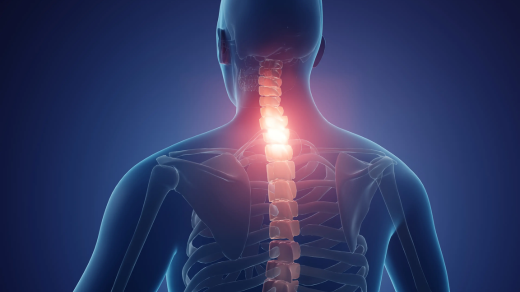
    Neck pain has become a daily challenge for many people, especially those with screen-heavy routines and desk jobs. Whether it shows up after a long workday, a stressful commute, or a bad night’s sleep, this kind of pain can impact focus, mood, and quality of life. What starts as mild stiffness can quickly progress if left untreated.

    Instead of relying on painkillers or temporary relief methods, more people are now turning toward non-surgical neck pain treatment options that focus on long-term recovery and healing.

    What’s Causing Your Neck Pain?

    Everyday habits and physical stressors often play a major role in developing neck pain. Common causes include:

    • Long hours on computers or mobile devices
    • Poor posture while sitting or driving
    • Muscle strain due to stress
    • Cervical disc issues or pinched nerves
    • Old injuries like whiplash
    • Degeneration from ageing

    Ignoring these triggers can lead to reduced mobility, stiffness, and even pain that radiates into the shoulders or arms.

    A Smarter Way to Heal: Non-Invasive Neck Pain Treatment

    Modern treatment approaches are focused on resolving the root cause of pain rather than masking it. At leading wellness centres, non-invasive therapies are helping individuals avoid surgery while still achieving lasting results.

    Effective non-surgical Neck Pain Treatment may include:

    • Spinal decompression therapy to relieve pressure on nerves
    • Posture correction strategies
    • Physiotherapy exercises to build strength and flexibility
    • Lifestyle changes that reduce daily strain on the neck

    These methods work together to support healing from within while keeping your daily routine intact.

    Why Choose a Non-Surgical Path?

    Choosing conservative care offers many advantages, especially for those looking to:

    • Avoid surgical risks and long recovery periods
    • Minimise dependence on medications
    • Restore long-term spinal health
    • Stay active while recovering

    Unlike invasive procedures, non-surgical treatments are gentle, outpatient-based, and tailored to your body’s needs. The goal is simple: help your spine function better without disrupting your life.

    Personalised Neck Pain Treatment at ANSSI Wellness

    At ANSSI Wellness, the focus is on long-lasting relief through safe, non-surgical methods. Their signature approach combines Non-Surgical Spinal Decompression Treatment, posture correction, and guided rehabilitation exercises. Each plan is personalised by expert spine specialists based on your unique condition.

    What to expect:

    • Zero medications or surgery
    • Individualised care and guidance
    • Lasting relief through natural recovery

    Whether your pain is recent or has been ongoing, ANSSI’s approach provides a clear, actionable path to healing.

    Start Your Journey Toward Relief Today

    Neck pain does not have to become a part of your everyday life. With expert-guided, non-invasive Neck Pain Treatment at ANSSI Wellness, you can regain comfort, flexibility, and confidence naturally.

    Visit www.anssiwellness.com to book your consultation and begin your journey to a pain-free, healthier spine.

  • Expanding Therapeutic Frontiers: Ovarian Cancer, CNS Drug Delivery, and Alzheimer’s Disease

    Expanding Therapeutic Frontiers: Ovarian Cancer, CNS Drug Delivery, and Alzheimer’s Disease

    Introduction

    Clinical research continues to make major strides across oncology, neurology, and neurodegenerative disease. With recent data showing strong safety profiles in ovarian cancer immunotherapy, first-in-human confirmation of blood-brain barrier (BBB) penetration, and durable cognitive benefits in Alzheimer’s, the future of targeted and long-acting therapies is taking shape. These advancements highlight the critical role of innovative trial design and precision treatment in driving meaningful change for patients.

    SON-1010 Shows Favorable Safety in Ovarian Cancer Study

    Ovarian cancer remains one of the most challenging gynecologic malignancies, often diagnosed at an advanced stage. Sonnet BioTherapeutics has reported strong safety data from its Phase 1 trial of SON-1010, a targeted IL-12 immunotherapy for ovarian cancer and other solid tumors.

    Key outcomes from the study include:

    • No dose-limiting toxicities across multiple escalating doses.
    • Sustained cytokine expression, supporting immune activation.
    • Encouraging tolerability in heavily pretreated patients.

    The trial’s positive safety profile lays the groundwork for further combination studies with checkpoint inhibitors or chemotherapy. SON-1010 shows strong safety in ovarian cancer treatment

    ARV-102 Penetrates the Blood-Brain Barrier in First-in-Human Study

    One of the greatest challenges in central nervous system (CNS) drug development is delivering therapies across the BBB. Arvinas has presented first-in-human data for ARV-102, a novel PROTAC protein degrader designed for neurological applications.

    This study demonstrated:

    • Measurable ARV-102 concentrations in cerebrospinal fluid.
    • Dose-dependent pharmacokinetics consistent with CNS penetration.
    • A favorable safety profile in healthy volunteers.

    These results support further evaluation in CNS disease models, including Parkinson’s, ALS, and psychiatric conditions, where direct brain access is essential for efficacy. ARV-102 first-in-human data shows blood-brain barrier penetration

    Anavex Reports Long-Term Cognitive Stability in Alzheimer’s Patients

    Anavex Life Sciences has announced 4-year clinical data for blarcamesine (ANAVEX®2-73) in Alzheimer’s disease, showing sustained cognitive and functional benefits. The investigational drug modulates the sigma-1 receptor, a key target in cellular stress responses and neuroplasticity.

    Highlights of the data include:

    • Continued preservation of cognitive function as measured by ADAS-Cog.
    • Functional stability in activities of daily living.
    • Favorable tolerability with long-term administration.

    This durable efficacy over four years positions blarcamesine as a leading candidate in disease-modifying therapies for Alzheimer’s. Anavex Life Sciences announces positive 4-year blarcamesine results

    Conclusion

    These diverse studies showcase the breadth and promise of modern clinical research—from immunotherapies and CNS-penetrant molecules to long-term neuroprotective treatments. As oncology and neurology increasingly intersect with precision medicine, patients stand to benefit from safer, smarter, and more effective interventions. Follow ongoing developments at Clinical Trial Vanguard.

  • 40 Questions Answered About Long-Term Effects of Stress Management

    40 Questions Answered About Long-Term Effects of Stress Management

    1. What are the long-term effects of effective stress management?

    Answer:

    Effective stress management results in good physical health, emotional regulation, good relationships, and overall well-being. Long-term effects include fewer chronic diseases, clearer mentalities, and a stronger ability to cope with stressors in the future.

    2. How does stress management impact cardiovascular health in the long term?

    Answer:

    Appropriate stress management will reduce the level of blood pressure and help in prevention from heart disease. It can reduce inflammation that promotes better blood circulation, therefore enhancing heart health.

    3. Does stress management prevent chronic diseases?

    Answer:

    Yes, through proper management of chronic stress, people reduce the potential for diseases like diabetes, hypertension, and heart diseases by minimizing the body’s response to stressors and therefore its effects on the immune system.

    4. How does stress management affect mental health in the long run?

    Answer:

    Chronic stress is associated with depression and anxiety disorders. Regular stress management reduces the risks of these, enhances emotional resilience, and contributes to better psychological well-being over time.

    5. Does stress management improve sleep quality in the long run?

    Answer:

    Yes, managing stress improves sleep patterns, as it reduces the racing mind and anxiety, which might have a negative impact on sleep. After some time, effective stress management helps to adjust the sleep cycles, and sleep turns out to be deeper and restorative.

    6. How is stress management connected with memory and cognitive performance?

    Answer:

    Long-term stress management can help prevent cognitive decline, enhance concentration, and improve memory. It reduces cortisol levels that are known to impact the functioning of the brain and promotes better mental clarity through clearer thinking.

    7. Is stress management effective in weight management?

    Answer:

    Yes, it does. Proper stress management regulates the level of cortisol, which is associated with gaining weight and specifically abdominal fat. Stress management can reduce overeating or binge eating due to stress.

    8. Does stress management decrease the possibility of burnout?

    Answer:

    Yes! Regular stress management can protect from burnout because it leads to work-life balance, increased emotional resilience, and teaches methods to cope with the stress arising in the workplace.

    9. In what way do relationships benefit in the long term from stress management?

    Answer:

    Reducing irritation and emotional sensitivity through stress management may make relationships better with greater communication, understanding, and empathy at home as well as at work. Well-balanced relationships are encouraged with proper management of stress.

    10. Long-term outcome- Does it reduce stress really helps in the betterment of overall life satisfaction?

    Answer:

    It is correct; proper management of stress increases satisfaction through life, due to decreased frustrated and anxiety mood. This encourages a better smile on face to enjoy and attain good happiness over long term.

    11. Is this long-term good for immune improvement?

    Answer:

    Yes, chronic stress weakens the immune system. By managing stress, you reduce the body’s production of stress hormones like cortisol, which helps strengthen the immune system, making it more capable of fighting off infections.

    12. How does stress management affect the digestive system?

    Answer:

    Managing stress can help improve digestion as it reduces the impact of stress on the gastrointestinal system. Chronic stress can lead to issues such as irritable bowel syndrome (IBS), acid reflux, or ulcers, but managing stress can mitigate these effects.

    13. Can stress management reduce the risk of chronic pain?

    Answer:

    Yes, stress may amplify the chronic pain conditions, like migraines, backache, or arthritis. These overall stress management techniques with some relaxation exercises and mindfulness will slowly diminish the severity and frequency of pain.

    14. What is the effect of stress management on hormonal regulation?

    Answer:

    Managing stress helps to regulate the production of stress hormones such as cortisol and adrenaline. Over time, this balance promotes better overall health, reducing the risk of hormonal imbalances that could affect mood, metabolism, and immune function.

    15. Can stress management improve skin health?

    Answer:

    Yes, stress often causes skin related issues such as eczema and psoriasis with acne. Maintenance of long-run stress management avoids the appearance of several diseases that promote flare-ups inside the skin using lower levels of cortisol.

    16. How Does Stress Management Affected Longevity?

    Answer :

    Chronic stress can contribute to a shorter life by increasing health-related risks. Effective management of stress can help individuals live healthier lives due to reduced chances of heart diseases, diabetes, and other diseases associated with stress .

    17. Can stress management be used in addiction recovery?

    Answer:

    Yes, stress management is important in addiction recovery. It helps the person to deal with triggers, cravings, and emotional distress without resorting to substance use. With time, stress management improves the chances of sustained recovery and long-term sobriety.

    18. How does stress management affect decision-making abilities?

    Answer:

    Long-term stress management enhances decision making by improving regulation of emotions, concentration, and mental acuteness. Such individuals tend to make poor, impulsive choices when stressed out, but an effective management program will make these people more sensible in their judgments.

    19. Can long-run stress management really enhance productivity?

    Yes, it can improve focus, efficiency, and creativity, making one more productive. In the long run, people who successfully manage stress will be able to accomplish their objectives without experiencing burnout.

    20. How does stress management affect physical appearance?

    Answer:

    Stress can make one look ugly by causing chronic signs such as weight gain, wrinkles, or hair loss. Managing stress decreases these physical symptoms, making a person look healthy and younger over time.

    21. Can stress management increase self-esteem?

    Answer:

    Yes! Stress management helps improve self-esteem by decreasing negative self-talk, promoting self-compassion, and enhancing the sense of accomplishment. Gradually, people start feeling more confident and capable to handle life’s challenges.

    22. How does stress management affect emotional regulation?

    Answer:

    Effective stress management enables people to manage their emotions through mindfulness and relaxation. Eventually, this develops emotional balance and resilience, and one can handle emotional challenges better.

    23. Can stress management enhance work performance?

    Answer:

    Yes, by reducing anxiety, increasing focus, and enhancing emotional regulation, stress management enhances performance at work. It also prevents burnout, which significantly affects work productivity and job satisfaction.

    24. How does managing stress affect the motivation level?

    Answer:

    Management of long-term stress promotes motivation as psychological fatigue and overwhelming emotions reduce gradually. Focusing and gaining enough energy makes it possible to remain motivated in getting things done. 

    25. Can managing stress enhance emotional intelligence?

    Answer:

    Yes, stress management actually increases emotional intelligence since it increases and encourages self-awareness, empathy, and self-control. These competencies help people better recognize and cope with their own emotions as well as those of others more efficiently.

    26. Does managing stress improve mental clarity?

    Answer:

    Yes! Managing stress reduces mental fogginess as well as improves focus. That’s why it enhances choices and solutions. With time, it develops better cognitive powers and even clear thinking.

    27. How does stress management impact your social life?

    Response:

    Interpersonal relationships improve as irritability reduces and communication becomes effective. Long-term, better managers of stress often have better and stronger social bonds.

    28. Does stress management mitigate the effect of negative thinking?

    Response:

    Yes, mindfulness and cognitive reframing of stress management can reduce negative thought patterns. As time goes on, one can replace the negativity with more constructive and positive thinking.

    29. How does stress management affect creativity?

    Answer:

    Long-term management of stress actually enhances creativity since it reduces mental blocks and allows for a sharp focus. Stress management can also help people connect to their inner creative self as it makes their mind calm and clear, allowing them to think creatively and come up with new ideas.

    30. Can stress management improve communication skills?

    Answer:

    Yes, stress management helps improve communication by promoting emotional regulation, active listening, and empathy. Over time, individuals become better at expressing themselves and understanding others in both personal and professional settings.

    31. How does stress management affect brain aging?

    Answer:

    Chronic stress accelerates brain aging, damaging the brain cells and leading to decline in cognitive performance. The efficient management of stress can decelerate this process, hence fostering better brain health and minimizing cognitive decline later on in life.

    32. Will stress management help improve quality of life?

    Response:

    Yes, managing stress leads to a balanced and full life. Eventually, it results in physical well-being, emotional stability, and good relationships with others, so that life overall is of better quality.

    33. How does the management of stress improve time management?

    Answer:

    The management of stress helps one reduce mental clutter and maintain a focus. Then, the tasks become easier to prioritize and schedule time appropriately to reduce feelings of overwhelm about one’s daily activities.

    34. Can stress management improve your attitude toward life?

    Answer:

    Yes! Long-term stress management helps individuals develop a more positive, resilient attitude toward life. It enables them to approach challenges with optimism and balance, improving overall life satisfaction.

    35. How does stress management impact physical fitness?

    Answer:

    Stress management helps reduce physical tension and promotes muscle relaxation, thus aiding to a better physical performance. Long-term, it may enhance consistency in exercising, give more energy, and even help avoid injuries caused by stress.

    36. Does stress management prevent emotional burnout?

    Answer

    Yes, effective stress management reduces the emotional exhaustion and overwhelm that causes burnout. It cultivates relaxation, boundaries, and self-care, meaning it prevents burnout in the long term.

    37. In what ways does stress management affect your immune system?

    Answer:

    By reducing chronic stress, stress management boosts the immune system, and it is better at fighting off infections and diseases. The chances of getting sick would also decrease with time, and therefore overall health would increase.

    38. Can stress management prevent addiction?

    Answer:

    Yes, managing stress can prevent individuals from turning to unhealthy coping mechanisms like alcohol or drugs. Over time, it helps individuals develop healthier ways to manage difficult emotions and life challenges.

    39. How does stress management impact your overall resilience?

    Answer:

    Consistent stress management increases resilience by helping individuals build coping skills and emotional strength. Over time, it strengthens their ability to face challenges and recover from setbacks more effectively.

    40. Does stress management result in personal growth?

    Yes! Stress management fosters self-awareness, emotional intelligence, and personal growth. It enables one to handle the ups and downs of life much more easily, bringing out their best self in a lifelong pursuit of personal growth.

    Stress management is a lifelong practice with profound long-term benefits. It reduces the effects of stress on physical, mental, and emotional health, enhancing the quality of life, boosting resilience, and improving overall well-being.

  • 30 Key Q&A About Mindfulness Practices for Mental Health

    30 Key Q&A About Mindfulness Practices for Mental Health

    1. What is mindfulness?

    Answer:

    Mindfulness is a practice of giving focused, non-judgmental attention to the present moment. It observes thoughts, feelings, and sensations as they arise, without reacting to them or becoming overwhelmed.

    2. How can mindfulness improve mental health?

    Answer:

    Mindfulness reduces stress, anxiety, and depression by increasing awareness and acceptance of emotions. It allows individuals to live in a calmer and more balanced state of mind by having better emotional regulation, focus, and general well-being.

    3. Does mindfulness help with anxiety?

    Answer:

    Yes! Mindfulness practices enable individuals to become increasingly aware of anxious thoughts without letting them dominate. Through the observation without judgment, you could reduce their effect, leading to better stress management.

    4. What is the difference between mindfulness and meditation?

    Mindfulness means paying attention to the present, which can be done at all times of one’s life. Meditation is the formal practice typically involving focused attention for a given period of time to cultivate mindfulness.

    5. Can mindfulness treat depression?

    Yes! Mindfulness can really break the depression cycle. Bringing awareness of emotions and thoughts into the present moment lets people watch those feelings without losing control to those feelings.

    6. What is the importance of mindfulness in regard to mental well-being?

    Reduces stress and anxiety.

    Improve emotional control.

    Increases attention and concentration.

    Brings more calm and inner peace.

    Aids in releasing negative thinking cycles.

    Increases personal awareness and love for oneself.

    7. How do I begin mindfulness practice?

    Answer:

    Set aside a few minutes each day to practice mindfulness. Sit still, closing your eyes and focus on your breath. Take note when your mind drifts out, and mildly bring your attention back to your breath. You can also practice mindful walking or eating.

    8. What are some easy mindfulness exercises?

    Answer:

    Breath Awareness: Focus on breath, noticing both inhale and exhale.

    Body Scan: Imagine scanning your body from head to toe, paying attention to any areas of tension or relaxation.

    5-4-3-2-1 Exercise: Engage all five senses by noticing five things you can see, four you can touch, three you can hear, two you can smell, and one you can taste.

    Mindful Walking: Walk slowly, paying attention to the sensations in your feet, legs, and body.

    9. How much time should I dedicate to mindfulness practice each day?

    Answer:

    It could be even some minutes a day of mindfulness practice, but that helps. Begin with 5 to 10 minutes and gradually build up from there. It is not about length but rather the consistency.

    10. Does mindfulness work on sleep disorder?

    Well, yes, mindfulness does help to reduce stress and quiet the mind before bed, thereby improving sleep quality. Mindfulness meditation calms the nervous system and promotes relaxation; hence, it will be easier to fall asleep and stay asleep.

    11. How can mindfulness enhance emotional regulation?

    Answer:

    Mindfulness can help you realize when you are experiencing emotions and then to respond rather than react impulsively. The result is more thoughtful, balanced responding, leading to better control over your emotions and less reactivity.

    12. Can mindfulness help reduce workplace stress?

    Answer:

    Yes! Mindfulness will help you calm and focus even at work, during stressful situations. Techniques such as deep breathing and taking short mindful breaks throughout the day can effectively manage stress.

    13. Does mindfulness work for people with PTSD?

    Answer:

    Yes, mindfulness can be used as a means of assistance to people suffering from PTSD. Mindfulness helps handle triggers, decrease anxiety, and cause relaxation. This is better achieved under the mentorship of a mental health provider, especially during the initial process.

    14. Can mindfulness assist with chronic pain?

    Answer:

    Yes! Mindfulness can reduce chronic pain as it changes one’s perception and reaction to pain. Techniques such as body scan and breath awareness could minimize the mental and emotional effect of pain.

    15. In what ways might mindfulness help build self-compassion?

    Response:

    Mindfulness promotes self-awareness and a non-judgmental approach that helps with self-compassion. With observation of one’s thoughts and emotions without any criticism, there is a gentler and kinder relationship toward oneself.

    16. Can mindfulness be applied in routine daily activities?

    Yes! Mindfulness can be performed in routine, mundane tasks, such as doing the dishes, walking, eating, or riding a bus or train. Concentrate on sensations, sounds, and feelings surrounding the activity with minimal distraction.

    17. In what way can mindfulness help sharpen one’s ability to concentrate and pay attention?

    Mindfulness trains the brain to maintain focus on what is happening in the moment, which means that it increases attention and concentration. Practicing mindfulness strengthens one’s ability to direct and maintain attention on what is being focused on, avoiding distractions.

    18. What does breath have to do with mindfulness?

    Answer:

    Breathing is one of the main points in most mindfulness practices. It acts as an anchor to the present moment, helping you stay grounded and aware. The natural rhythm of your breath helps calm the mind and cultivate mindfulness.

    19. Can mindfulness be used to overcome addiction?

    Answer:

    Yes! Mindfulness is a useful technique in recovery from addiction. It makes people better aware of craving and triggers and enables them to respond with greater awareness and self-control rather than acting impulsively on urges.

    20. What are mindfulness-based therapies?

    Answer:

    Mindfulness-based therapies are therapeutic approaches that incorporate mindfulness practices. Examples include:

    Mindfulness-Based Stress Reduction (MBSR): A program designed to reduce stress and improve well-being through mindfulness.

    Mindfulness-Based Cognitive Therapy (MBCT): It is the combination of mindfulness practice with cognitive therapy to treat depression and prevent relapse.

    21. Does mindfulness improve self-esteem?

    Answer:

    Yes, mindfulness can improve self-esteem because it helps a person develop non-judgmental, compassionate awareness of themselves. Accepting your thoughts and emotions without judgment can help build a more positive and realistic self-image.

    22. How does mindfulness affect the brain?

    Answer:

    It alters the structure and function of the brain. Increased gray matter is present in areas concerned with emotional regulation, self-awareness, and decision-making. It also lowers activity in the amygdala, which has to do with stress and fear responses.

    23. Can mindfulness help with social anxiety?

    Answer:

    Yes! Mindfulness can help the person with social anxiety become more aware of their anxious thoughts and feelings without judgment. This awareness will help reduce the fear of negative evaluation and increase confidence in social situations.

    24. Can mindfulness be practiced with children?

    Answer:

    Yes, mindfulness can be beneficial for children. Mindful activities like guided breathing, body scans, or even mindful coloring can help children develop emotional regulation skills, reduce anxiety, and improve focus and attention.

    25. How can mindfulness reduce rumination?

    Answer:

    Mindfulness helps you recognize when you’re ruminating on negative thoughts and gently guide your attention back to the present moment. By cultivating awareness without judgment, mindfulness can reduce the tendency to dwell on past mistakes or worries about the future.

    26. How do I overcome distractions during mindfulness practice?

    Answer:

    Normal part of mindfulness practice: distractions. If the mind wanders, simply note the distraction without judgment; gently refocus attention back to the breath or whatever your focus is. Be patient with yourself-this is a normal part of the process.

    27. Can mindfulness help with relationship issues?

    Answer:

    Yes! Mindfulness can improve communication, empathy, and emotional regulation in relationships. Being present and mindful while engaging in conversation facilitates more thoughtful responses and avoids misunderstandings for healthier interactions.

    28. How can I bring mindfulness into my morning routine?

    Answer:

    Start your day with a short mindfulness practice, such as mindful breathing or a body scan. You can also practice gratitude, set intentions for the day, or simply enjoy a few moments of stillness before diving into your day’s activities.

    29. Is mindfulness a long-term practice?

    Answer:

    Yes, mindfulness is most effective when practiced regularly over time. Even short daily sessions can lead to significant improvements in mental health, but sustained practice over weeks, months, and years provides deeper benefits.

    30. How do I maintain consistency in mindfulness practice?

    Answer:

    Create a daily habit: Schedule a specific time of the day for mindfulness practice.

    Start small: Begin with short sessions (5-10 minutes) and increase as you become consistent.

    Use reminders: Put up sticky notes or set up phone alarms that remind you to be mindful.

    Treat yourself softly: If you miss a session, just go ahead and resume the next day without self-accusations.

    Mindfulness helps a person cope better with stress and anxiety in mental health and facilitates the regulation of emotions, helps the individual develop greater concentration capabilities, and the positive outcomes in these aspects result from long-lasting effects on his well-being whether one does this for a couple of minutes per day or a full-fledged therapeutic intervention.

  • 25 Questions Answered About Maintaining a Balanced Diet on a Budget

    25 Questions Answered About Maintaining a Balanced Diet on a Budget

    1. How can one maintain a healthy balanced diet budget?

    Answer:

    Buy staple things such as beans, lentils, whole grains, seasonal veggies, and frozen fruits. The next thing that can be practiced is meal prepping, in bulk cooking and smart shopping – picking up a few sales and discounts and more importantly, always going for a store brand to cut down that budget.

    2. What are the building blocks of a healthy balanced diet?

    Answer:

    A balanced diet usually includes:

    Fruits and vegetables: a rainbow of colors and varieties

    Proteins: lean meats, beans, lentils, eggs, tofu

    Carbohydrates: whole grains like brown rice, oats, and whole wheat bread

    Healthy fats: olive oil, avocados, nuts, seeds

    Dairy: low-fat milk, yogurt, or alternatives

    3. How can I save money on fruits and vegetables?

    Answer:

    Buy in-season fruits and vegetables. They are more affordable and generally fresher.

    Shop at local farmers’ markets or community-supported agriculture (CSA) programs.

    Buy frozen produce, which is often more affordable and lasts longer.

    Look for discounts on produce that’s about to expire and use it immediately.

    4. Is it cheaper to cook at home or eat out?

    Answer:

    Home cooking is generally much cheaper than eating out. Preparing meals from scratch allows you to control portions, ingredients, and quality, while dining out often comes with high markups and hidden costs like tips and delivery fees.

    5. How can I make cheap protein-rich meals?

    Answer:

    Beans and lentils are affordable sources of protein.

    Eggs are inexpensive and versatile.

    Canned tuna or salmon provides affordable protein options.

    Tofu or tempeh is an affordable plant-based substitute.

    Chicken thighs are cheaper than breasts but equally nutritious.

    6. How can I make a budget-friendly grocery list?

    Answer:

    Plan out your meals for the week and make a shopping list from that.

    Stay to the list so you do not get sidetracked with impulse buys.

    Store brands are as good as name brands.

    Buy in bulk on non-perishable items like rice, pasta, and oats.

    7. How do I prepare healthy meals without spending so much money?

    Answer:

    Use economical yet nutritious food such as beans, rice, oats, frozen vegetables, and eggs. Stir-fries, soups, casseroles, and salads are simple-to-make meals using these ingredients. Cook in bulk and freeze leftovers for saving time as well as money.

    8. Do frozen vegetables have the same nutritional value as fresh ones?

    Answer:

    Yes! Frozen vegetables are just as nutritious as fresh ones and often retain their vitamins and minerals because they’re frozen shortly after being picked. They also tend to be cheaper and last longer.

    9. How can I reduce food waste while staying within budget?

    Answer:

    Plan your meals to use ingredients efficiently.

    Store food properly to extend its shelf life.

    Repurpose leftovers into new meals (e.g., turning roast vegetables into soups or salads).

    Freeze extras, so that they do not go bad.

    10. What are some cheap, nutritious snacks?

    Answer:

    Air-popped popcorn .

    Carrot sticks or cucumber slices with hummus.

    Peanut butter and apple slices.

    Frozen fruit or oat yogurt.

    Granola made at home with nuts, seeds, and oats.

    11. How can I be healthy while keeping sugar and processed foods to a minimum without spending much money?

    Answer:

    Cook from scratch to determine the ingredients.

    Use honey or fruit as natural sweeteners and not refined sugar.

    Buy whole foods like whole grains, fruits, and vegetables instead of processed items.

    Limit packaged snacks and opt for homemade alternatives.

    12. How can I use leftovers to reduce food costs?

    Answer:

    Repurpose leftovers into new meals, such as using leftover roasted chicken in sandwiches or salads.

    Freeze extras for later use to avoid food waste.

    Transform large meals into smaller servings to stretch your ingredients further.

    13. How do I incorporate more vegetables into my diet without increasing costs?

    Answer:

    Buy frozen or canned vegetables, which are often more affordable and last longer.

    Buy in-season vegetables when they are cheaper.

    Add vegetables to every meal, like adding spinach to smoothies, or diced carrots and peas to pasta sauces.

    14. Can I maintain a balanced diet while following a vegetarian or vegan diet on a budget?

    Answer:

    Yes! Consider inexpensive, plant-based food sources such as lentils, beans, tofu, quinoa, and rice. Buying your grains and legumes in bulk is inexpensive and efficient while giving you the nutrients you need. Buy frozen vegetables, nuts, and seeds in bulk to save money.

    15. What are some ways to purchase healthful foods when the budget is very tight?

    A. Buy staple like oats, rice, beans, lentils, pasta in bulk.

    Concentrate on nutrient-dense foods that give more nutrition per dollar, such as eggs, frozen vegetables, and sweet potatoes.

    Shop at discount stores or warehouse clubs for bulk deals.

    16. Any budget-friendly meal prep tips?

    Answer:

    Plan meals ahead to use ingredients in multiple dishes.

    Batch cook large portions of meals like soups, stews, or casseroles, and freeze them for later.

    Prep ingredients like chopping vegetables in advance to save time during the week.

    Make sure you are purchasing ingredients that will stretch across a number of meals.

    17. How do I spend less when I am shopping for organic produce?

    Answer:

    Only buy organic on the “Dirty Dozen”: Spend more of your organic dollars on items with the most pesticides (like strawberries, spinach, and apples).

    Buy in bulk: Organic grains, beans, and frozen vegetables are more cost-effective.

    Check out the local farmer’s market for bargain buys on organic fruits and veggies.

    18. What are some inexpensive, healthy meal ideas?

    Answer:

    Vegetable stir-fry with rice or noodles.

    Lentil soup with carrots, onions, and celery.

    Chickpea curry with rice.

    Baked sweet potatoes topped with black beans, avocado, and salsa.

    Tuna salad with mixed greens and olive oil dressing.

    19. What are some affordable healthy beverages?

    Answer:

    Water: The healthiest and most affordable.

    Homemade iced tea: Brewed from tea bags and chilled.

    Coffee: In moderation, and preferably without added sugar or cream.

    Smoothies: Frozen fruits, spinach, and yogurt or milk.

    20. Can I buy healthy snacks on a budget?

    Answer:

    Yes! Look for affordable options like:

    Nuts and seeds. Buy in bulk to save.

    Hard-boiled eggs.

    Homemade trail mix with oats, dried fruit, and nuts.

    Carrot or celery sticks with peanut butter or hummus.

    21. How can I save money on dairy products while eating healthy?

    Answer:

    Buy in bulk for things like milk or cheese.

    Use less expensive alternatives, such as cottage cheese or yogurt.

    Use plant-based alternatives like almond milk or soy milk. Sometimes these can be cheaper than dairy.

    22. How do I buy healthy foods without overspending?

    Buy only what you need.

    Take advantage of sales and stock up on healthy staples.

    Buy store brands for the healthy items you buy most often.

    Avoid impulse buys by shopping when you’re not hungry and sticking to the list.

    23. What are low-cost sources of healthy fats?

    Answer:

    Avocados available at lower price in certain geographic locations

    Olive oil-bulk purchasing cuts down the expense

    Peanut butter-inexpensive form is natural and without added sugars or salt.

    Nuts and seeds-sourced in bulk helps reduce expense

    24. How can I flavor my meals better on a low budget?

    Answer:

    Garlic, cumin, chili powder, oregano use as spices and herbs to enhance taste without cost addition.

    Make your own sauces (such as marinara, salsa, or hummus) from basic ingredients.

    Marinate proteins such as chicken or tofu to enhance flavor.

    25. How can I balance the cost and nutrition when grocery shopping?

    Answer:

    Choose whole foods, such as beans, grains, and vegetables, which are generally cheaper and more nutritious.

    Frozen or canned vegetables and fruits should be substituted when fresh versions are too expensive.

    Buy in bulk for planning meals that will save money and also for the long term.

    With careful planning and smart shopping strategies, maintaining a balanced diet on a budget is entirely possible. Focus on nutrient-dense foods that can be affordable; cooking at home, using leftovers, and, more importantly, eating at home are all strategies for healthy, varied diets without breaking the bank.

  • 20 Frequently Asked Questions About Home Workouts for Busy Professionals Answered

    20 Frequently Asked Questions About Home Workouts for Busy Professionals Answered

    1. Why should busy professionals engage in home workouts?

    Answer:

    Home workouts are time and cost effective and save a lot of traveling time to the gym. There is no traveling, which is an added advantage to scheduling around work commitments. Properly designed, they can deliver a full-body workout and improve both physical and mental fitness.

    2. How do I make time for a workout if my schedule is really busy?

    Answer:

    Try breaking workouts into smaller sessions throughout the day. For example, do a 10-minute morning workout, a quick 10-minute session during lunch, and another 10-minute workout in the evening. Prioritize efficiency and consistency over duration.

    3. How long should a home workout last?

    Answer:

    A home workout could be anywhere between 15 minutes and 45 minutes depending on your level and goals. Focus on intensity over duration. It is even a good idea to do short bursts of intense exercises, like High-Intensity Interval Training (HIIT), that can be good for busy professionals.

    4. Can I have a full-body workout at home?

    Answer:

    Yes! You can get a whole-body workout at home with bodyweight exercises such as push-ups, squats, lunges, planks, and burpees. You may add resistance bands or dumbbells to mix up your routine and challenge yourself further.

    5. What are the best types of home workouts for professionals?

    Answer:

    HIIT (High-Intensity Interval Training): Intensive exercise periods are followed by rest periods, usually short.

    Bodyweight exercises: Push-ups, squats, planks, lunges, etc.

    Yoga or Pilates: Great for flexibility, stress relief, and strength.

    Circuit training: Combine different exercises targeting various muscle groups for efficiency.

    6. Do I need equipment for home workouts?

    Answer:

    Not necessarily! Bodyweight exercises like squats, push-ups, and planks require no equipment. However, resistance bands, dumbbells, or kettlebells can enhance your workouts and provide more challenge. A yoga mat may also be helpful for comfort.

    7. How can I remain motivated to exercise at home?

    Answer:

    Set realistic goals and track your progress.

    Develop a schedule and follow it.

    Mix up your routines so that you don’t get bored.

    Get a workout buddy or join an online fitness community for motivation.

    Reward yourself for achieving certain fitness milestones.

    8. Can I lose weight exercising at home?

    Answer:

    Yes, home workouts can help you lose weight if done with a balanced diet and regular exercise. High-calorie burning workouts include HIIT, strength training, and full-body circuits, which will increase fat loss and boost metabolism.

    9. How can I prevent injury while working out at home?

    Answer:

    Warm up before each session to prepare your muscles.

    Use proper form to avoid strain and injury.

    Begin slowly and build, especially if you are a beginner to exercise.

    Rest and recover to avoid overuse injuries.

    10. How do I maintain consistency with home workouts?

    This can be done by having a schedule of workout times every day, having clear objectives, and making time for exercising. Make the space at home welcoming and free from distractions, and hold yourself accountable by tracking your progress.

    11. What are some quick and effective home workouts for busy professionals?

    Answer:

    HIIT: 20-30 minutes of alternating between intense exercises (jumping jacks, mountain climbers, etc.) and rest periods.

    Bodyweight circuits: Combine squats, push-ups, lunges, and planks for a 15-30 minute session.

    Tabata: 4-minute intervals of 20 seconds of exercise followed by 10 seconds of rest.

    12. Can I do home workouts in small spaces?

    Answer:

    Yes! You can do so many bodyweight exercises in the smallest of places. Concentrate on exercises which take up minimum space, like lunges, squats, push-ups, and planks. You need not have ample space to achieve a full-body workout.

    13. Can home workouts help relieve stress?

    Answer:

    Absolutely! Regular exercise, including home workouts, is known to release endorphins, stress-, anxiety-and depression-reducing agents. I especially like yoga and stretching exercises to relax and become mentally sharp.

    14. How can I make home workouts more challenging?

    Answer:

    Increase intensity: Add more sets, reduce rest time, or increase the number of reps.

    Add resistance: Use dumbbells, resistance bands, or household items like water bottles or backpacks.

    Try advanced variations of exercises like decline push-ups, single-leg squats, or burpees.

    15. Should I follow a workout plan or freestyle?

    Answer:

    While freestyling can be fun, following a structured workout plan ensures balanced progress and reduces the risk of overtraining specific muscle groups. A plan helps keep your workouts diverse, targeting different muscle groups and avoiding monotony.

    16. How can I make my home workout routine more enjoyable?

    Answer:

    Listen to music: Make a playlist of your favorite tunes to keep the energy high.

    Mix things up: Try yoga, dance, or strength training to keep it interesting.

    Use apps: Many fitness apps provide guided workouts that can help keep you on track and motivated.

    17. Can I improve my flexibility with home workouts?

    Answer:

    Yes, flexibility can be enhanced if you add in exercises with stretching, yoga, or Pilates to your routine. Stretching post-workout will help minimize muscle contraction and increase range of motion.

    18. How would you follow-up on the progress made from working out at home?

    Response

    Maintain a workout log to track exercises, sets, reps, and weights.

    Take progress photos to help visualize the physical changes

    Get fitness apps that monitor calories, workout duration, or steps taken.

    Measure performance with timed exercises or the number of reps you can do.

    19. Will home workouts replace the traditional gym workout?

    Answer:

    Yes, if done the right way, then a home workout may replace the gym workouts. With the right mixture of bodyweight exercises, resistance trainings, and cardiovascular workouts, you can get a comprehensive fitness routine meeting the fitness goals.

    20. How can I avoid burnout at home when working out?

    Answer:

    Listen to your body and take rest days as needed.

    Rotate workout styles to avoid repetitive strain and mental fatigue.

    Start with realistic goals and gradually increase intensity.

    Maintain a balanced lifestyle, focusing on proper nutrition, sleep, and relaxation.

    In a busy schedule, you can stay fit and energetic by bringing workouts at home into your busy life. Improvement will be shown both in the body and the mind with steady efforts and the proper plan.

  • Top 10 Questions Answered About Reducing Screen Time for Better Health

    Top 10 Questions Answered About Reducing Screen Time for Better Health

    1. Why is reducing screen time important for health?

    Answer:

    Reduction of screen time is necessary because excessive screen use causes eye strain, poor posture, sleep disorders, and also increases the chances of obesity and mental health issues. Limiting screen time ensures better physical health, mental well-being, and quality sleep.

    2. What are the health risks of too much screen time?

    Answer:

    Too much screen time can lead to a number of health problems, including:

    Eye strain and discomfort (often referred to as “computer vision syndrome”).

    Sleep disturbances, as screens emit blue light that interferes with melatonin production.

    Physical problems, such as neck and back pain from poor posture.

    Mental health issues like anxiety, depression, and social isolation.

    3. How much screen time is considered too much?

    Answer:

    Screen time should be limited by age and lifestyle. For adults, it is advisable to have limited recreational screen time to 2 hours per day. Children must have less screen time. It is suggested that children aged 2 to 5 years must have 1 hour of screen time, and those above that age group may have 2 hours. Work-related screen time must be broken by regular intervals.

    4. How can I cut down screen time effectively?

    Answer:

    Here are some ways to limit screen time:

    Use apps or the phone’s built-in features to set daily limits on recreational screen time.

    Take a break every 20-30 minutes if using screens for work or study.

    Replace screen time with physical activities like walking, yoga, or sports.

    Schedule time for offline activities such as reading, cooking, or hobbies.

    Set up screen-free zones in your home, like the bedroom.

    5. What are the advantages of less screen time?

    Answer:

    Reducing screen time may lead to:

    Improving sleep quality through decreased exposure to blue light close to bedtime.

    Enhancing mental health through decreased feelings of loneliness or stress related to excessive social media use.

    Promoting physical health through increased levels of physical activity and decreased sedentary behavior.

    Increased productivity by allowing for more focused work or leisure time with less distraction.

    6. Can screen time impact children’s development?

    Answer:

    Yes, overexposure to screens has some adverse effects on children’s development. Some of the negative impacts include:

    Obesity, resulting from less exercise.

    Poor social skills because there is minimal face-to-face interaction.

    Cognitive challenges because excessive time spent on the screen interferes with concentration and learning. Screen time should be controlled in children, and other activities, such as playing outside and reading, should be encouraged.

    7. How does screen time impact sleep?

    End

    Too much screen time, especially at night, can interfere with sleep. Blue light from screens reduces the secretion of melatonin, the sleep hormone, which means that it becomes harder to fall asleep. Avoid screens at least 30-60 minutes before bedtime to maintain good sleep hygiene.

    8. What are some screen-free alternatives for entertainment?

    Answer:

    Screen-free alternatives for entertainment include:

    Outdoor activities, such as hiking, biking, or playing sports.

    Reading books or magazines for mental stimulation.

    Board games or puzzles that encourage social interaction.

    Creative hobbies, such as painting, writing, knitting, or cooking.

    9. How can I track and monitor my screen time?

    Answer:

    Most smartphones and computers have built-in features to track screen time:

    Smartphone apps like Apple’s Screen Time, Android’s Digital Wellbeing, or third-party apps like RescueTime help monitor usage.

    Browser extensions can limit time spent on certain websites.

    Fitness trackers and smartwatches can also indicate the amount of daily activity level and screen usage.

    10. Can reducing screen time improve mental well-being?

    Answer:

    Yes, the decrease in screen time is also positively associated with mental well-being. Too much use of social media has been connected to feelings of anxiety, depression, and FOMO, or fear of missing out. If less time is spent on screens, there may be fewer comparisons, higher self-esteem, and more face-to-face socializing, all of which are likely to enhance mental health.

    Reducing screen time is not about getting rid of it but finding a balance. You can make small changes such as setting limits, taking regular breaks, and prioritizing offline activities to improve both your physical and mental health.