Category: Sports

  • The Ultimate Guide to Tennis Court Resurfacing: Process & Benefits

    The Ultimate Guide to Tennis Court Resurfacing: Process & Benefits

    A well-maintained tennis court is not just about aesthetics—it’s essential for safety, performance, and longevity. Whether you’re managing a professional facility, a school playground, or a residential tennis court, resurfacing is a key part of tennis court flooring maintenance. Over time, even the best courts experience wear and tear due to regular play, exposure to harsh weather, and aging materials.

    In this comprehensive guide, we’ll explore everything you need to know about tennis court resurfacing, including signs of damage, the resurfacing process, materials involved, estimated costs, and maintenance tips to keep your court in prime condition.

    Why Tennis Court Maintenance Matters

    The flooring for tennis courts plays a significant role in how the game is played. A cracked, uneven, or faded surface not only affects ball bounce but also increases the risk of injuries. Regular maintenance, especially resurfacing, ensures the surface remains smooth, safe, and consistent for gameplay.

    If ignored, minor issues like surface cracking or pooling water can escalate into major structural damage, requiring full reconstruction instead of just resurfacing—at a much higher cost.

    Signs Your Tennis Court Needs Resurfacing

    How do you know it’s time to invest in resurfacing your court? Here are key indicators:

    • Cracks and Surface Damage: Small cracks can expand quickly. If you see spider cracks, deep surface cracks, or holes, it’s time to act.
    • Standing Water: Poor drainage or surface wear can cause water pooling, which leads to surface breakdown.
    • Faded Court Lines or Paint: If the game lines are no longer visible or the court surface has faded dramatically, resurfacing with new coatings and paint is needed.
    • Hard or Uneven Bounce: A surface that affects the bounce or speed of the ball can negatively impact play.
    • Player Injuries: Frequent slipping, tripping, or falling may be due to worn-out surfaces.

    Step-by-Step Tennis Court Resurfacing Process

    Resurfacing a tennis court is not just about applying a fresh coat of paint—it’s a detailed, multi-step process. Here’s how it typically works:

    1. Inspection & Cleaning

    The surface is cleaned thoroughly using pressure washing to remove dirt, debris, mold, and algae.

    2. Crack Repair & Surface Patching

    All visible cracks are filled with crack filler materials, and any low spots or divots are patched. This step helps level the court and prevent water accumulation.

    3. Acrylic Resurfacer Application

    An acrylic resurfacer is applied to create a smooth base layer. This material fills in minor imperfections and enhances surface uniformity.

    4. Texture Coating

    This layer is designed to provide traction and control ball speed. Silica sand is often mixed in to enhance grip.

    5. Color Coating & Line Marking

    Two or more coats of color acrylic paint are applied. Afterward, precision-marked white lines are added for regulation gameplay.

    6. Final Inspection

    Once dried, the surface is inspected to ensure proper adhesion, bounce consistency, and safety standards.

    Materials Used in Tennis Court Resurface

    The materials selected for resurfacing play a big role in performance, longevity, and safety. Some of the most common materials include:

    • Acrylic resurfacer: The base coat used to fill voids and create a smooth foundation.
    • Color coating: UV-resistant, non-slip acrylic paint for aesthetics and durability.
    • Crack fillers: Flexible compounds designed to fill and seal surface cracks.
    • Textured coatings: Improve traction and reduce slipping.

    High-quality acrylic products are essential for effective and long-lasting results. Many professional contractors use multi-layered acrylic systems that offer optimal playability and weather resistance.

    Benefits of Tennis Court Resurfacing

     Improved Safety

    Smooth surfaces reduce tripping hazards and provide better grip, minimizing the risk of player injuries.

     Better Game Performance

    Consistent ball bounce and traction allow players to perform better and enjoy the game.

     Enhanced Aesthetics

    A resurfaced court looks vibrant and professional, increasing the appeal of your facility.

     Increased Court Longevity

    Regular resurfacing helps avoid costly structural damage, preserving the court’s base for longer.

     Weather Resistance

    Modern acrylic coatings are UV-resistant and water-repellent, protecting your court from harsh environmental elements.

    Maintenance Tips After Resurfacing

    After completing a tennis court resurface, it’s important to implement regular maintenance to extend the surface life:

    • Clean the court regularly with a blower or pressure washer to remove dust, leaves, and debris.
    • Avoid using bicycles, skates, or heavy equipment on the surface.
    • Repair minor cracks or chips immediately to avoid spreading damage.
    • Ensure proper drainage to prevent water from pooling.
    • Repaint game lines and recoating every few years as needed.

    Creating a seasonal inspection schedule can help identify and fix minor problems early, preventing major resurfacing sooner than necessary.

    Conclusion: Invest in Timely Resurfacing for Long-Term Gains

    Your tennis court is a long-term investment, and like any other sports infrastructure, it needs timely care. Tennis court resurfacing not only restores the appearance of your court but also ensures safe and optimal play conditions. Whether it’s a private court or a public facility, resurfacing every 4–8 years—depending on usage and surface material—is key to keeping the flooring in great shape.

    Looking for professional help? Trust experienced installers who specialize in acrylic flooring for tennis courts and use industry-standard resurfacing systems.

  • Best Walking Track Flooring Solutions for Durability & Comfort

    Best Walking Track Flooring Solutions for Durability & Comfort

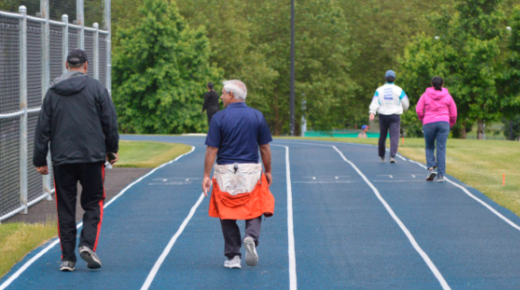
    When designing a walking track, the choice of flooring material plays a crucial role in ensuring comfort, safety, and long-term durability. Among the many options available, synthetic acrylic flooring materials stand out as the best choice for creating high-performance walking track flooring. Whether for public parks, community centers, or sports facilities, synthetic acrylic surfaces provide a perfect balance of durability and comfort, making them ideal for both professional and recreational use.

    Why Choose Synthetic Acrylic Flooring for Walking Tracks?

    1. Unmatched Durability

    One of the primary reasons for selecting synthetic acrylic flooring materials is their incredible durability. These surfaces are built to withstand heavy foot traffic, wear, and tear, making them perfect for tracks that see daily use. Acrylic materials are resistant to fading, cracking, and weather damage, ensuring that your walking track stays in top condition for years. This makes synthetic acrylic the ideal choice for both indoor and outdoor tracks.

    2. Superior Comfort and Safety

    Comfort is a key factor when it comes to walking track surfaces. Synthetic acrylic flooring provides the right level of cushioning to reduce the strain on joints while maintaining a firm surface for walking. This helps prevent injuries and ensures a comfortable experience for walkers of all ages. The non-slip texture of acrylic flooring also provides a safer walking surface, even when wet.

    3. Weather Resistance

    Whether you’re installing a walking track indoors or outdoors, synthetic acrylic flooring materials offer exceptional weather resistance. Acrylic is UV stable, meaning it won’t fade or degrade under exposure to sunlight. Additionally, it is highly water-resistant, preventing puddling and ensuring that the track remains safe to use during rainy conditions. This makes acrylic flooring a versatile solution for all types of climates and weather conditions.

    4. Low Maintenance

    Maintaining a walking track made of synthetic acrylic flooring is simple and cost-effective. Acrylic surfaces are easy to clean, requiring only periodic washing with water and mild detergent to remove dirt and debris. Unlike other materials, acrylic flooring doesn’t require frequent resurfacing or repairs, making it a low-maintenance option that saves you time and money in the long run.

    5. Customization and Aesthetics

    Synthetic acrylic flooring offers a wide range of customization options. Tracks can be designed in various colors and patterns, allowing you to match the aesthetics of your facility or branding. You can also customize the texture to meet specific performance requirements. For instance, you can choose from different grip levels or add lane markings for fitness and recreational purposes. Acrylic flooring provides an opportunity to create a visually appealing walking track that also meets functional needs.

    Walking Track Size: Key Considerations

    When designing a walking track, the size is a key consideration. Indoor walking tracks typically have a circumference of 150-200 meters, while outdoor walking tracks range from 300 meters to 500 meters, depending on space and intended use. The width of the track usually varies between 1.5 and 2.5 meters per lane to ensure sufficient space for walkers to pass. Multi-lane designs (2-3 lanes) are ideal for larger spaces or public facilities, while smaller areas may only require a single lane. Additionally, always check local regulations for accessibility or design requirements. These factors will help determine the ideal walking track size based on space and usage.

    How Synthetic Acrylic Flooring Benefits Walking Track Installation

    The installation of synthetic acrylic flooring requires professional expertise to ensure a smooth, even surface. Key factors for installation include:

    • Proper Base Layer: The surface must be prepared correctly, with a smooth and level base, to ensure the acrylic material adheres properly and provides a durable, stable surface.
    • Slope and Drainage: For outdoor tracks, it’s important to have a slight slope that allows for proper drainage. This prevents water from pooling on the surface, which can cause damage and create unsafe walking conditions.
    • Seamless Installation: Synthetic acrylic flooring is typically installed as a seamless surface, which eliminates the risk of seams lifting or becoming uneven over time. This creates a smooth and consistent walking experience.

    Conclusion

    When it comes to walking track flooring, synthetic acrylic flooring materials offer the best combination of durability, comfort, and low maintenance. These surfaces are perfect for both indoor and outdoor walking tracks, providing excellent weather resistance, shock absorption, and long-term performance. Whether you’re building a new track or upgrading an existing one, synthetic acrylic flooring is the ideal solution for creating a safe, comfortable, and visually appealing walking track.

    For professional walking track installation and expert guidance on choosing the right synthetic acrylic materials, consult experienced walking track builders who specialize in these high-quality materials.

  • Pickleball Court Construction by Prime Sports Solution

    Pickleball Court Construction by Prime Sports Solution

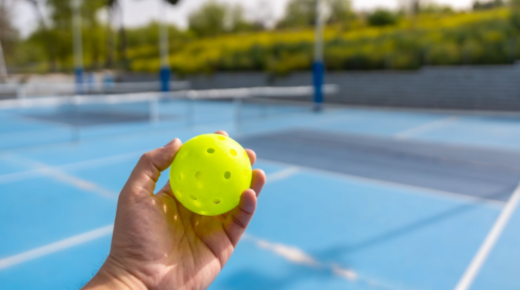
    As Pickleball continues to gain immense popularity across all age groups, the demand for high-quality, professional-grade courts is on the rise. At Prime Sports Solution, we specialize in turnkey Pickleball court construction, delivering custom-designed courts that combine functionality, performance, and aesthetics. Whether for a private community, sports academy, club, or municipal facility, our courts are built to international standards with precision engineering and top-grade materials.

    Why Invest in a Pickleball Court?

    Pickleball blends elements of tennis, badminton, and ping pong, offering a fast-paced yet low-impact sport that is fun, inclusive, and easy to learn. Given its small court size (20′ x 44′), relatively low infrastructure cost, and multi-age appeal, it is an ideal addition to residential societies, schools, resorts, and sports centers.

    Turnkey Pickleball Court Construction Services

    At Prime Sports Solution, we offer complete end-to-end services—from site analysis to final game play.

    Step-by-Step Court Construction Process

    1. Site Inspection and Design Planning

    We begin with a thorough site evaluation to assess space, orientation, drainage, surface slope, and environmental conditions. Our team designs a customized court layout that adheres to USA Pickleball and IPTPA guidelines, factoring in whether the space will be used for recreational or competitive play.

    Key considerations include:

    • Court orientation (north-south to reduce sun glare)
    • Single vs. multi-court layout
    • Indoor vs. outdoor use
    • Shared use with tennis/badminton

    2. Base Construction

    The foundation is critical to long-term court performance. We typically use:

    • Asphalt base (cost-effective and widely used)
    • Concrete base (durable and stable, ideal for cushion coatings)

    The base is laid with the correct slope (approx. 1%) to allow water runoff. Compaction and curing are done carefully to ensure long-lasting surface integrity.

    3. Surface Coating Installation

    Once the base is ready, we apply the chosen surface material:

    Popular Options:

    • Acrylic Sports Flooring (Most Popular): Multi-layered system for outdoor courts. Durable, UV-resistant, and customizable in color.
    • Cushioned Acrylic System: Adds shock-absorbing layers to reduce joint stress—ideal for senior players and high-usage courts.
    • Modular Interlocking Tiles: Quick to install, ideal for multi-use or portable courts. Weather-resistant and easy to maintain.
    • PU or Vinyl (Indoor Courts): Seamless, cushioned floors for indoor facilities—excellent for multi-sport halls.

    4. Line Marking and Customization

    We apply accurate, regulation-based court markings using fade-resistant, high-visibility acrylic paint. Additional features include:

    • Custom colors and logos
    • Anti-glare coating
    • Multiple lines for multi-sport courts (e.g., tennis + pickleball)

    5. Court Accessories & Infrastructure

    We also handle complete infrastructure installation:

    • Heavy-duty pickleball net systems
    • Perimeter fencing (chain-link or mesh)
    • LED lighting for night play
    • Benches, scoreboards, and other add-ons

    Types of Pickleball Courts We Construct

    • Dedicated Outdoor Pickleball Courts
    • Multi-sport Courts with Pickleball Lines
    • Indoor Pickleball Courts in Gyms or Sports Halls
    • Tennis Court Conversion to Pickleball
    • Rooftop and Compact Urban Courts

    Why Choose Prime Sports Solution?

    Experienced Team: Years of expertise in sports facility construction
    Premium Materials: Certified coatings, flooring, and accessories
    Custom Solutions: Tailored for budget, space, and purpose
    All-India Reach: We execute projects across the country
    After-Sales Support: Maintenance, resurfacing, and repair options

    Maintenance & Longevity

    Pickleball courts, especially those with acrylic or modular flooring, are low maintenance. Occasional washing, crack repair, and resurfacing every 5–7 years can extend the court’s life by a decade or more. We also offer annual maintenance packages to keep your facility in top condition.

    Frequently Asked Questions

    Q: How much space is needed for a standard court?
    A: A single court needs at least 30′ x 60′ for safe play and buffer zones.

    Q: Can you convert an existing tennis or badminton court into a Pickleball court?
    A: Yes. We offer efficient, cost-effective conversion services including resurfacing and dual line markings.

    Q: How long does the construction take?
    A: A typical single court takes 2–4 weeks, depending on weather and site conditions.

    Q: Do you offer indoor court construction?
    A: Absolutely. We install seamless PU or modular flooring for indoor pickleball facilities with complete lighting and ventilation solutions.

    Conclusion

    With its rising popularity and low entry barriers, Pickleball is the sport of the future—and now is the perfect time to invest in a world-class court. At Prime Sports Solution, we bring technical expertise, sports passion, and engineering precision to every Pickleball court we build.

    Ready to bring Pickleball to your facility?
    Get in touch with Prime Sports Solution for a free consultation and start your court journey today.