expert water diagnosis
It usually starts with something small. Maybe it’s the shower smelling a little… funky. Or your tea tastes off, even though the mug’s clean. You sniff the tap. Then again. And that’s the moment it hits you—something’s definitely wrong with your water.
Now, most of us don’t grow up dreaming of becoming water quality experts, so when something like this happens, it feels overwhelming. Should you panic? Call a plumber? Replace the water heater? Or just light a candle and ignore it?
Take a breath. Let’s walk through this together—the way a real person would.
You’re Not Imagining Things: Yes, Your Water Can Smell Weird
First off, you’re not crazy. Water shouldn’t smell like rotten eggs, metal, chlorine, or musty old towels. But sadly, these smells aren’t that rare. Many homeowners across the country are dealing with local water problems that stem from things like mineral buildup, old plumbing, bacterial contamination, or even seasonal changes in water supply treatment.
And yeah, it’s more than just an annoyance. Smelly water messes with your confidence in your home. You might avoid drinking it, cooking with it, or even showering in it (we’ve heard the horror stories). That’s no way to live.
The First Step? Don’t Guess. Get Help.
There’s a huge difference between randomly replacing parts of your plumbing and actually solving the issue. That’s why your first move should be booking an expert water diagnosis. Not a guess, not a Google search spiral, but a real, tailored analysis of your water.
Professional diagnosis means someone actually tests what’s coming out of your taps. They’ll look for common troublemakers like sulfur (hello, rotten egg smell), iron, manganese, chlorine overload, or bacteria. Then they’ll help you figure out where the problem is coming from—your water source, your plumbing, or something in between.
And the best part? Once you know what you’re dealing with, the fix gets a whole lot easier—and usually cheaper too.
Not All Smells Are the Same
Here’s something most folks don’t realize: different smells mean different problems. A sulfur smell? Probably hydrogen sulfide. Metallic tang? Could be iron or copper. A bleachy vibe? That’s likely chlorine. Musty or earthy smells might come from bacterial growth in pipes or filters that need changing.
Knowing which smell is showing up (and where—hot water only? Just one faucet?) can help narrow down the source. And if you’re on well water, you might have different challenges than someone on a city supply. Again, another reason a diagnosis is a solid move before throwing money at guesswork.
Let’s Talk Solutions That Actually Work
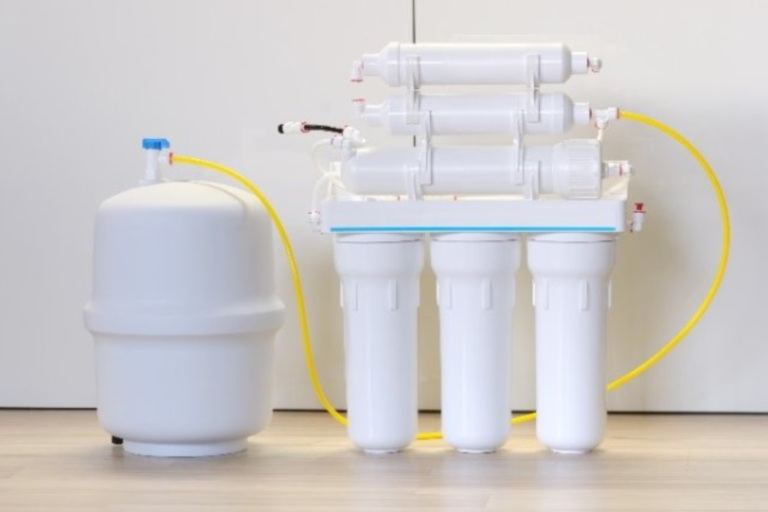
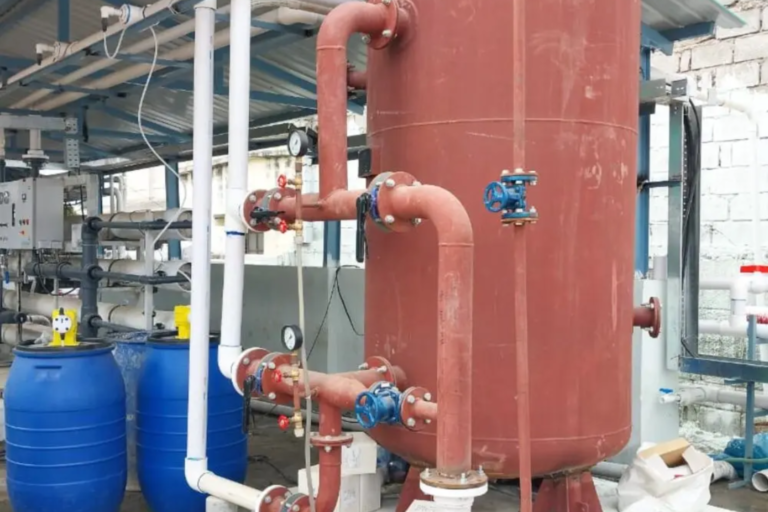
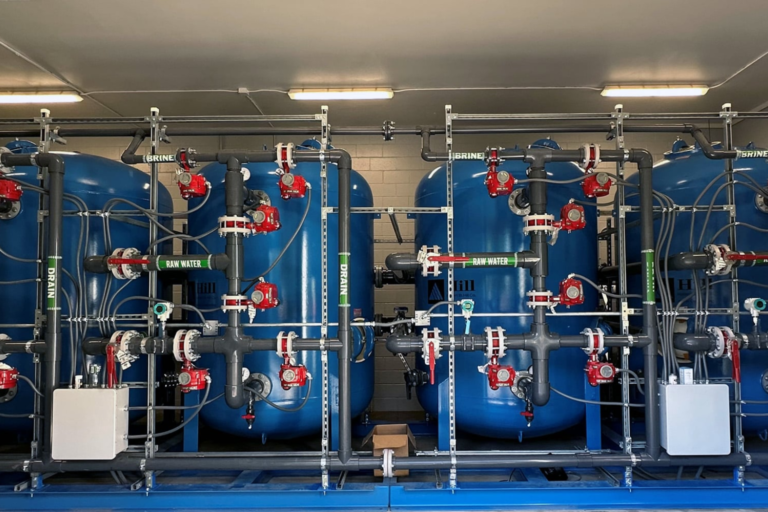
Now that you’ve pinpointed the issue, it’s time to fix it—for good. This is where odor reduction systems come in. And no, we’re not talking about just masking the smell with lemon-scented cleaners or countertop filters.
Real odor reduction might include:
- Activated carbon filters – great for chlorine and organic smells
- Anode rod replacement in water heaters – a big win for hot water smells
- Oxidizing filters – useful for sulfur, iron, and manganese
- Aeration or chlorination systems – particularly helpful for well owners
- UV purification – if bacteria’s the problem
Some homes need just one fix. Others might need a combo. But the right system will not only make your water smell normal again—it’ll improve taste, protect appliances, and just make your home feel more… well, clean.
It’s Not Just About Water—It’s About Peace of Mind
Smelly water can feel embarrassing. You don’t want to explain to guests why your tap water smells like a fart (sorry, but let’s be honest). You don’t want to constantly be buying bottled water or running every glass through a Brita. You just want to live comfortably, confidently, and without second-guessing your water.
And it’s not unreasonable to expect that. In fact, it’s essential.
This stuff touches everything—your food, your skin, your laundry, your kids. So no, you’re not being picky by wanting it fixed. You’re being smart.
A Local Problem Needs a Local Fix
Don’t forget—what works in one part of the country might not work in another. That’s why it’s crucial to find someone who understands local water problems, not just a national chain peddling the same solution everywhere.
Water quality varies wildly based on geography, treatment methods, season, and even the pipes in your neighborhood. A good local expert will know what’s common in your area and tailor a fix that actually works.
It’s like buying winter boots in Minnesota vs. flip-flops in Florida. Context matters.
Final Thoughts: Trust Your Nose (and Then Do Something About It)
If something smells wrong, something is wrong. Don’t ignore it. Don’t let it become your new normal. And definitely don’t assume it’ll magically fix itself.
Start by calling in for an expert water diagnosis. Ask about odor reduction systems built for your issue. Make sure your provider understands local water problems so you’re not throwing solutions at the wall and hoping one sticks.
About the Author