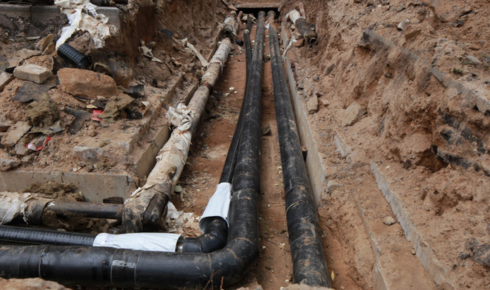
Let’s be honest — no one sits around on a Sunday afternoon thinking about their sewer lines or gas pipes. They’re out of sight, out of mind… until something goes wrong. And when it does go wrong? It’s usually not subtle. We’re talking sewage pooling in your backyard or that unmistakable sulfur smell creeping into your home. Not exactly the type of “surprise” anyone wants.
But here’s the kicker: many of these disasters can be avoided with a little attention, some proactive steps, and knowing when to call in the pros. Whether it’s a silent leak, creeping corrosion, or old piping that’s past its prime — understanding your home’s hidden systems can save you a ton of stress (and money).
When to Consider Line Replacement (And Why It’s Not the End of the World)
There comes a time in every home’s life when patchwork repairs just aren’t cutting it anymore. Pipes wear out. Materials degrade. Tree roots don’t care about your weekend plans. That’s when line replacement becomes more than just a recommendation — it’s a necessity.
Maybe you’ve had one too many backups. Maybe a plumber scoped your line and showed you the horror movie playing out underground. Whatever the reason, replacing the whole line can sound scary — but in today’s world of trenchless tech and high-efficiency methods, it’s not the messy ordeal it used to be.
Modern line replacements often require minimal digging and offer warranties that stretch decades. The upfront investment pays off long-term — both in peace of mind and resale value. No buyer wants to inherit aging infrastructure held together with duct tape and hope.
The (Often Ignored) Art of Sewer Maintenance
We all know the saying: prevention is better than cure. Nowhere is this truer than in home plumbing. Sewer maintenance might not be glamorous, but it’s a crucial part of keeping your system flowing smoothly. Think of it like an annual check-up — one that can spot trouble before it becomes a crisis.
Regular camera inspections, drain cleanings, and even bio-friendly enzyme treatments can extend the life of your sewer line by years. Most homeowners only call for help after disaster strikes. But the smart ones? They call before. They treat their sewer system like any other appliance — one that needs attention, not just reaction.
And hey, when you avoid raw sewage in your basement, your future self will thank you.
Let’s Talk Gas: Safety Isn’t Optional
Gas lines are a bit like electricity. Invisible. Powerful. And dangerous if handled wrong. Unfortunately, many people assume their gas system is “set it and forget it.” But here’s the reality: gas line safety should be on every homeowner’s radar, especially in older houses or during renovations.
Small leaks can go unnoticed for weeks. One wrong nail in a wall can rupture a hidden pipe. Even poorly installed appliances can become ticking time bombs. That’s why gas line work should never be DIY territory. Always, always bring in licensed professionals for inspections, repairs, and installs.
Annual inspections are a smart move — especially if you use gas heating or have multiple gas appliances. And if you ever smell rotten eggs? Get out, call your utility company, and don’t touch a light switch. Gas safety isn’t just a guideline — it’s a matter of life and death.
Hidden Warning Signs You Shouldn’t Brush Off
Just because your pipes are buried doesn’t mean the problems are invisible. In fact, your house might already be dropping hints that something’s off.
A few red flags to watch for:
- Slow drainage across multiple fixtures — Could be buildup, but also might mean trouble in the main line.
- Unexplained wet patches in your yard — Especially if they smell funky or sink when stepped on.
- A rise in your gas bill without increased usage — Silent leaks are often reflected in your utility statements before you smell anything.
- Hissing sounds near gas lines or appliances — A classic indicator of escaping gas.
If anything feels off, it probably is. Don’t wait. Your wallet — and your safety — depend on catching these early.
The Role of Modern Plumbing Technology
Gone are the days when plumbers had to dig up your entire yard just to figure out what’s going on. With today’s tech, a good plumber can run a tiny camera through your lines, detect leaks with sound waves, and even patch cracks from inside the pipe.
This means less guesswork, less destruction, and faster repairs. It also means your plumber has no excuse for “maybe” answers. Today’s diagnostics are incredibly precise. If your contractor isn’t using tech, it’s time to find one who does.
DIY Isn’t Always the Answer (And That’s Okay)
We live in a time where YouTube tutorials can teach you how to tile a bathroom or patch drywall. But when it comes to gas or sewer work? Leave it to the pros.
Sure, pouring baking soda and vinegar down your drain is harmless enough. But replacing part of a gas line, clearing a clogged main with a rented auger, or poking around your sewer cleanout? That’s a fast track to damage, injury, or worse.
The best DIY decision you can make is knowing when not to DIY.
Wrapping It Up (Before the Pipes Do It for You)
Sewer and gas line problems aren’t something we like to think about. They’re not pretty. They’re not fun. But they’re part of owning a home — and the more informed and proactive you are, the less likely they are to turn into six-figure disasters.
Whether you’re considering a line replacement, thinking about regular sewer maintenance, or simply trying to understand more about gas line safety, the message is clear: take these systems seriously. And don’t wait for a smell or a soggy patch to remind you they exist.
Because when your home’s hidden systems are happy, you can be too — without the mess, the stress, or the unexpected repair bills.