There’s this quiet assumption in most businesses—water is just… there. You turn the tap, machines run, things get cleaned, people grab a glass, and life goes on. No one really questions it unless something goes obviously wrong.
But the funny thing is, water rarely causes loud problems. It’s subtle. It sneaks into processes, affects outcomes, and slowly—almost politely—changes how things work behind the scenes.
And by the time you notice it, you’re already dealing with the consequences.
When “Good Enough” Water Isn’t Actually Good Enough
At first glance, water quality doesn’t seem like a major business concern. It’s not like marketing or sales, where results are immediate and visible. But spend a little time looking closer, and patterns start to appear.
Machines scaling up faster than expected. Cleaning taking longer. Products that feel just slightly inconsistent. Nothing dramatic, but enough to raise questions.
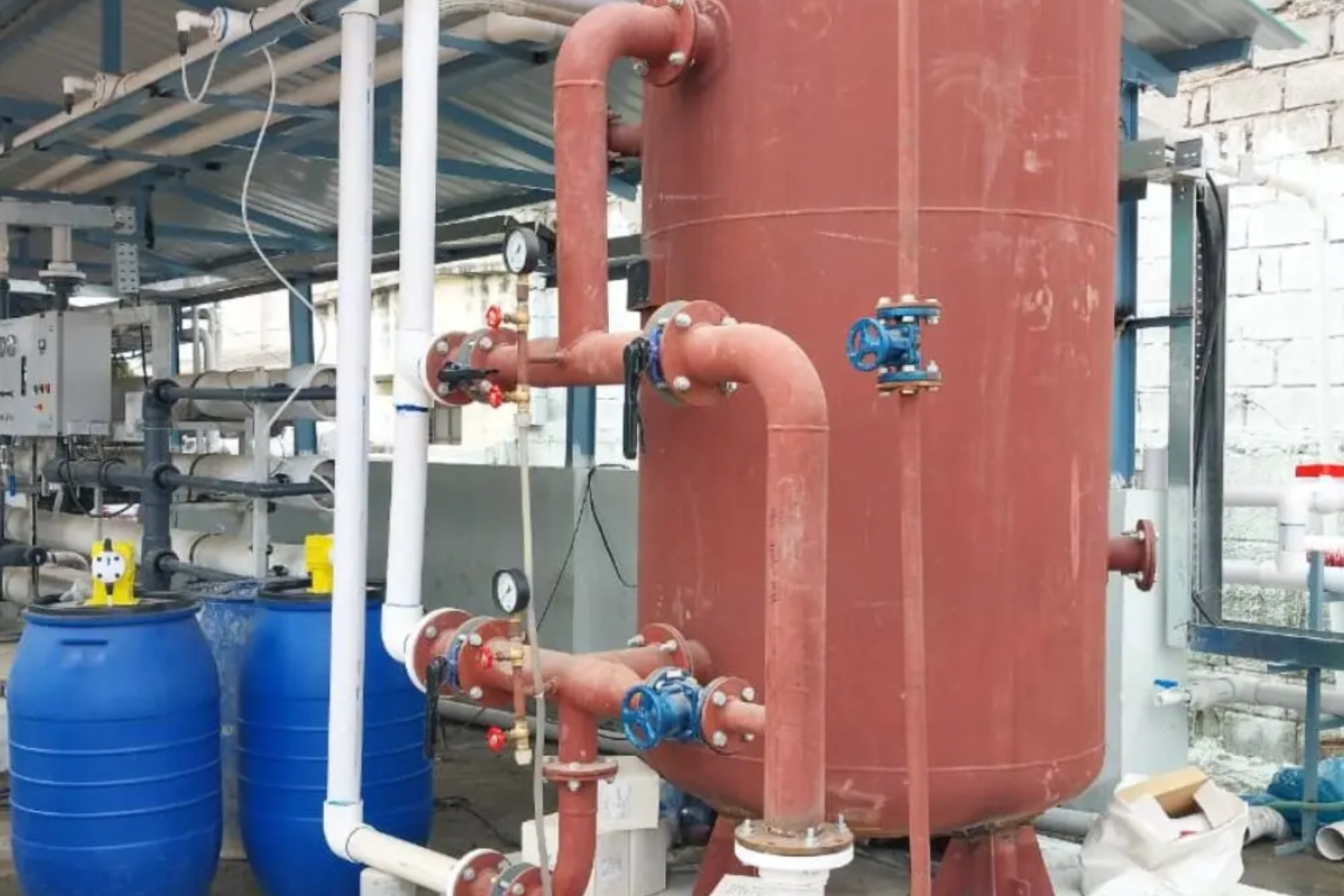
That’s where custom business water systems start to make sense—not as a luxury, but as a practical response to real, everyday inefficiencies.
Because every business uses water differently. A café, a manufacturing unit, a salon, a healthcare facility—they all have unique requirements. And trying to solve those needs with a generic setup is a bit like wearing shoes that almost fit. You can walk, sure, but it’s never quite comfortable.
The Ripple Effect No One Talks About
Water touches more areas of a business than most people realize. It’s involved in cleaning, production, cooling, heating, sometimes even in the final product itself.
So when the quality isn’t right, the effects don’t stay contained. They ripple outward.
Take equipment, for example. Hard water leads to scale buildup. Over time, that buildup reduces efficiency, increases energy usage, and eventually causes wear and tear. Not immediately, but steadily.
Or think about customer-facing elements. A restaurant serving slightly off-tasting water. A hotel with mineral stains on fixtures. A car wash leaving spots behind.
Individually, these might seem minor. But together, they shape perception. And perception, whether we like it or not, influences business outcomes.
Tailored Solutions Make a Bigger Difference Than You’d Expect
There’s no one-size-fits-all answer when it comes to water treatment. What works for one business might be completely irrelevant for another.
That’s why tailored systems tend to perform better. They’re designed around actual usage—flow rates, contamination levels, specific applications. Instead of forcing your operations to adapt to the system, the system adapts to you.
I once spoke with a small food processing unit that had been struggling with inconsistent product texture. They tried adjusting recipes, changing suppliers… nothing worked. Eventually, they looked at their water. A customized filtration setup solved the issue—not instantly, but gradually, and in a way that felt almost too simple in hindsight.
Sometimes, the solution isn’t complicated. It’s just specific.
Maintenance: The Part Everyone Forgets Until It’s Too Late
Here’s where things usually go off track.
A business invests in a good system, gets it installed, sees initial improvements—and then… forgets about it. Not intentionally, of course. It just slips down the priority list.
But water systems, like any other equipment, need attention. Filters clog. Components wear out. Performance dips over time.
That’s where maintenance & support plans quietly prove their value.
They’re not glamorous. No one gets excited about scheduled filter changes or routine inspections. But they keep the system running the way it’s supposed to. They prevent small issues from turning into bigger ones.
And perhaps most importantly, they remove the guesswork. You don’t have to remember when something needs checking—it’s already taken care of.
It’s Not Just About Equipment—It’s About Peace of Mind
There’s something underrated about knowing that a part of your business is simply… handled.
When your water system is working properly, you don’t think about it. You don’t have to troubleshoot unexpected issues or second-guess whether water quality is affecting your operations.
It becomes one less thing on your plate. And in a business environment where there are always a dozen things competing for your attention, that kind of reliability matters.
Employees notice it too, even if they can’t articulate it. Processes feel smoother. Tasks take less effort. There’s a quiet sense of efficiency that’s hard to define but easy to appreciate.
Small Changes, Long-Term Impact
What’s interesting about water improvements is that they rarely feel like big, dramatic changes. There’s no single moment where everything suddenly becomes perfect.
Instead, it’s a series of small, steady improvements.
Equipment lasts longer. Cleaning becomes easier. Products feel more consistent. Customers—without necessarily knowing why—have a better experience.
And over time, those small changes add up. They affect costs, reputation, and overall performance in ways that are easy to overlook but hard to ignore once you see them.
Closing Thoughts
Water doesn’t demand attention. It doesn’t show up in meetings or reports. It doesn’t make noise when it’s working properly.
But it’s there, woven into the fabric of daily operations.
Taking the time to understand and improve your water setup might not feel urgent. It might even seem like a background task compared to more visible challenges.
But sometimes, the things running quietly in the background are the ones shaping everything else.
And when you get those right, the rest of the business tends to follow.