pest control service
Buying an older home often means finding character, charm, and craftsmanship that newer builds sometimes lack. Original timber floors, high ceilings, and classic brickwork can be incredibly appealing. However, while these homes may look solid above ground, what lies beneath can tell a very different story.
One of the most commonly overlooked elements during the buying process is the sewer line. Because it is buried and out of sight, many buyers assume it is functioning properly if the toilets flush and the drains appear clear. Unfortunately, this assumption can lead to expensive surprises after settlement, when hidden damage turns into a major repair bill.
Understanding the condition of the sewer system before purchase can protect you from unexpected costs and long-term disruption.
Why Sewer Lines Fail in Older Properties
Sewer systems in older homes were built using materials that were considered reliable at the time but are now known to deteriorate with age. Clay pipes, cast iron, and early concrete piping were commonly used decades ago. Over time, these materials can crack, corrode, or collapse.
Tree root intrusion is another major issue in established neighbourhoods. Mature trees seek moisture, and sewer pipes provide a constant water source. Even small cracks allow roots to enter, slowly expanding and breaking the pipe apart. Once roots are inside, blockages and leaks often become recurring problems and may also attract related issues requiring a pest control service during property maintenance.
Ground movement also plays a role. Soil expansion, contraction, and natural settling place ongoing pressure on rigid pipes. Older sewer lines were not designed to accommodate this movement, making them far more vulnerable to fractures and joint separation.
These failures typically develop gradually, meaning serious damage can exist long before obvious symptoms appear.
What Standard Inspections Often Miss
Many buyers assume a building inspection covers all major systems within a home. In reality, standard inspections focus mainly on visible and accessible areas such as roofing, walls, electrical components, and internal plumbing fixtures.
Underground sewer lines are rarely inspected unless specifically requested. Most inspectors do not perform camera inspections of buried pipes, which means cracks, collapses, and root intrusion remain undetected.
This gap explains why sewer problems often surface shortly after moving in. Slow drains, recurring blockages, unpleasant odours, or sewage backups can appear weeks or months later, leaving new homeowners responsible for repairs they did not anticipate.
Without a dedicated sewer inspection, buyers are effectively purchasing a property with one of its most critical systems unchecked.
Early Warning Signs Buyers Often Overlook
Older homes sometimes show subtle signs that indicate sewer line issues. Gurgling sounds from drains, fluctuating toilet water levels, or unexplained damp patches in the yard can all point to underground pipe damage.
Persistent drain blockages, even after cleaning, are another red flag. These issues are often dismissed as minor plumbing problems when they are actually symptoms of deeper structural failure within the sewer line.
Because these signs are easy to overlook during the excitement of buying a home, many buyers fail to investigate further. Ignoring these warnings can turn a manageable repair into a costly emergency.
The Role of Professional Sewer Inspections
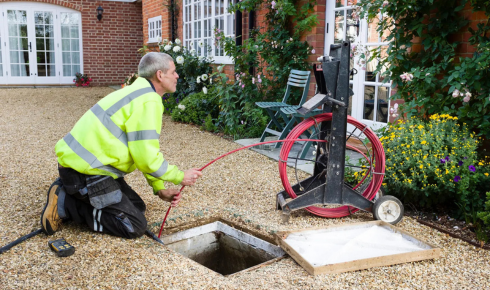
A professional sewer inspection uses specialised camera equipment to assess the internal condition of pipes. This process reveals cracks, corrosion, root intrusion, misaligned joints, and blockages that cannot be detected from above ground.
Inspection specialists provide detailed footage and reports, allowing buyers to understand the true condition of the sewer system before committing to the purchase. This information can be used to negotiate repairs, adjust the sale price, or plan future maintenance with confidence.
In many cases, early detection prevents complete pipe replacement by identifying damage while it is still manageable.
Modern Repair Options for Older Sewer Lines
Traditional sewer repairs often involved excavation, requiring gardens, driveways, or even parts of the home to be dug up. This approach was disruptive, time-consuming, and expensive.
Today, Sewer Pipe Relining offers a far less invasive alternative. This method involves inserting a resin-coated liner into the damaged pipe, which cures to form a new pipe within the old one. The result is a seamless, durable repair without extensive digging.
Relining is particularly valuable for older homes where access to underground pipes is limited and preserving existing structures or landscaping is important.
Why Pre-Purchase Sewer Inspections Save Money
The cost of a sewer inspection is minimal compared to the expense of emergency repairs after purchase. A collapsed sewer line can cost thousands to repair and may involve significant disruption to the property.
By identifying problems early, buyers gain leverage. Repairs can be negotiated with the seller, factored into the purchase price, or scheduled before damage worsens.
Most importantly, inspections provide peace of mind. Knowing the condition of the sewer system allows buyers to move forward with confidence rather than uncertainty.
Protecting Your Investment Long Term
An older home is a long-term investment, and sewer lines play a critical role in its functionality and value. Ignoring underground infrastructure places that investment at risk.
Proactive inspections and modern repair methods reduce the likelihood of emergency plumbing situations, which are often more stressful and expensive than planned maintenance. Addressing sewer issues early helps preserve the home’s safety, hygiene, and long-term liveability.
Conclusion
While older homes offer undeniable charm, their sewer systems often reflect decades of hidden wear. Standard inspections rarely assess underground pipes, leaving buyers vulnerable to unexpected post-purchase costs.
A professional sewer inspection before buying reveals the true condition of the system and opens the door to modern repair options such as Sewer Pipe Relining, which restores reliability without invasive excavation.
If you are considering purchasing an older home, inspecting the sewer line first is a smart, preventative step that protects both your budget and your peace of mind.
FAQs
Is a sewer inspection necessary if the drains seem fine?
Yes. Many sewer problems exist long before visible symptoms appear. Camera inspections detect hidden damage that standard checks miss.
Are older sewer pipes more likely to fail?
Yes. Materials such as clay and cast iron naturally degrade over time, increasing the risk of cracking, root intrusion, and collapse.
Can sewer issues affect property value?
Absolutely. Undetected sewer damage can lead to costly repairs and negatively impact resale value.
Is pipe relining suitable for all sewer problems?
Most cracks, leaks, and root intrusion issues can be repaired using relining, though severe collapses may require alternative solutions.
When is the best time to inspect sewer lines?
Before purchasing the property, as it allows buyers to make informed decisions and negotiate repairs if needed.
About the Author