improved taste & odor
There’s something oddly comforting about a glass of water that just tastes right. No strange aftertaste, no faint chemical smell, no second thoughts before taking a sip. It’s such a small thing, but once you notice the difference, it’s hard to ignore. Clean water isn’t only about safety—it’s about experience, habit, and even a bit of peace of mind.
I didn’t always think about water this way. Like most people, I assumed if it looked clear, it was fine. But over time, subtle things started to stand out. The tea didn’t taste the same. Ice cubes had a faint smell. Even brushing teeth felt… off. That’s when it hits you—water isn’t just water.
The Subtle Power of Taste and Smell
Taste is tricky. You don’t always notice when something is slightly off, but your brain does. It lingers in the background. Maybe you start adding more sugar to your tea, or you prefer bottled water without really knowing why. That’s often because your tap water isn’t delivering improved taste & odor, even if it’s technically safe.
Odor plays an even bigger role. A slight chlorine smell or metallic hint can make water feel less refreshing. And once that mental barrier forms, you begin to avoid drinking enough water altogether—which, ironically, affects your health more than you’d expect.
The interesting part? These issues aren’t always about contamination. Often, they’re about minerals, treatment chemicals, or aging pipelines. In other words, your water might be “safe,” but not pleasant.
What’s Really in Your Water?
Most municipal water systems do a solid job. They remove harmful bacteria and ensure basic safety standards. But they also add disinfectants like chlorine. Over time, this can affect both taste and smell.
Then there are dissolved solids—calcium, magnesium, iron. Some are harmless, even beneficial in small amounts. But too much of anything, and suddenly your water feels heavy or leaves residue on your appliances.
I remember visiting a friend’s home where the water tasted completely different—cleaner, lighter. Turns out, they had a filtration system installed. Nothing fancy, just something consistent. That experience stuck with me.
Why Filtration Is Becoming a Lifestyle Choice
Let’s be honest—people don’t install water filters just for survival anymore. It’s about comfort, consistency, and control. You want to know what you’re drinking. You want your morning coffee to taste the way it should.
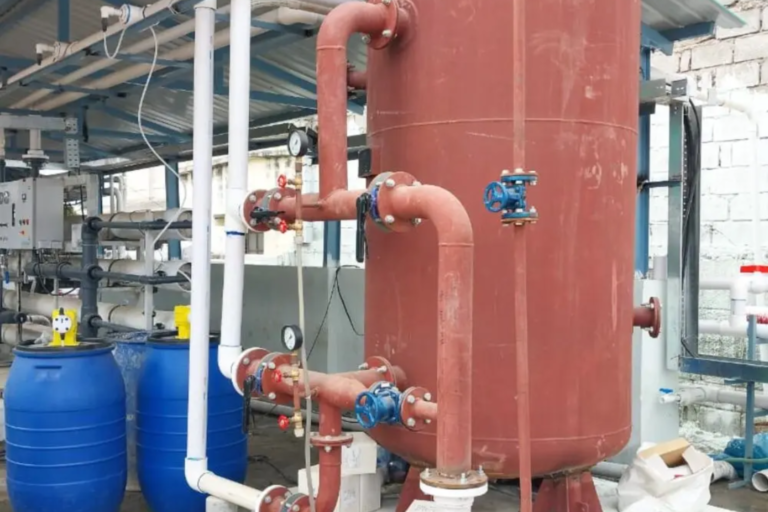
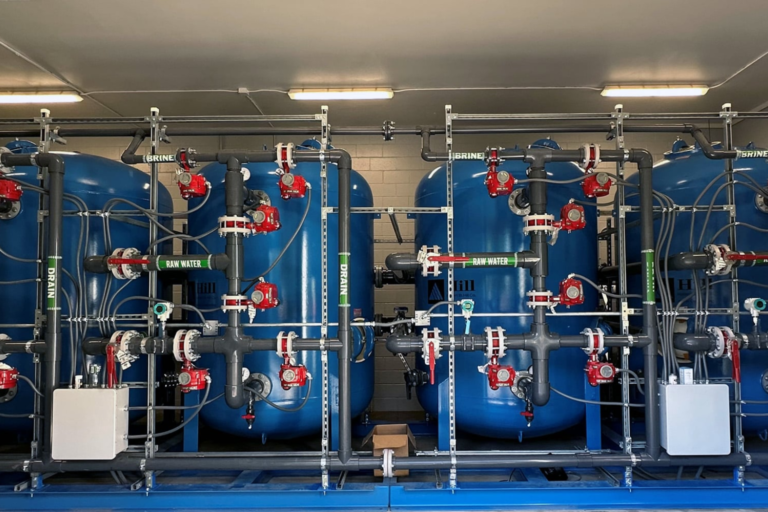
Modern systems focus on efficient water purification, which sounds technical, but really just means removing the unnecessary stuff while keeping what matters. Think of it like editing a photo—you’re not changing the subject, just enhancing clarity.
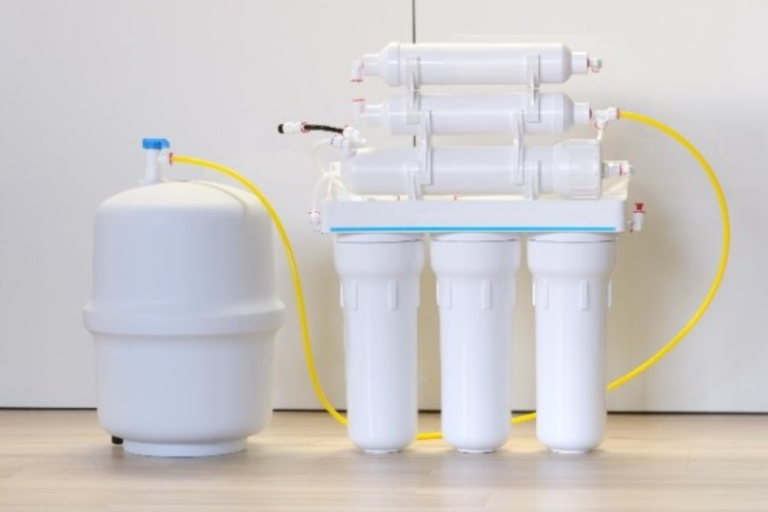
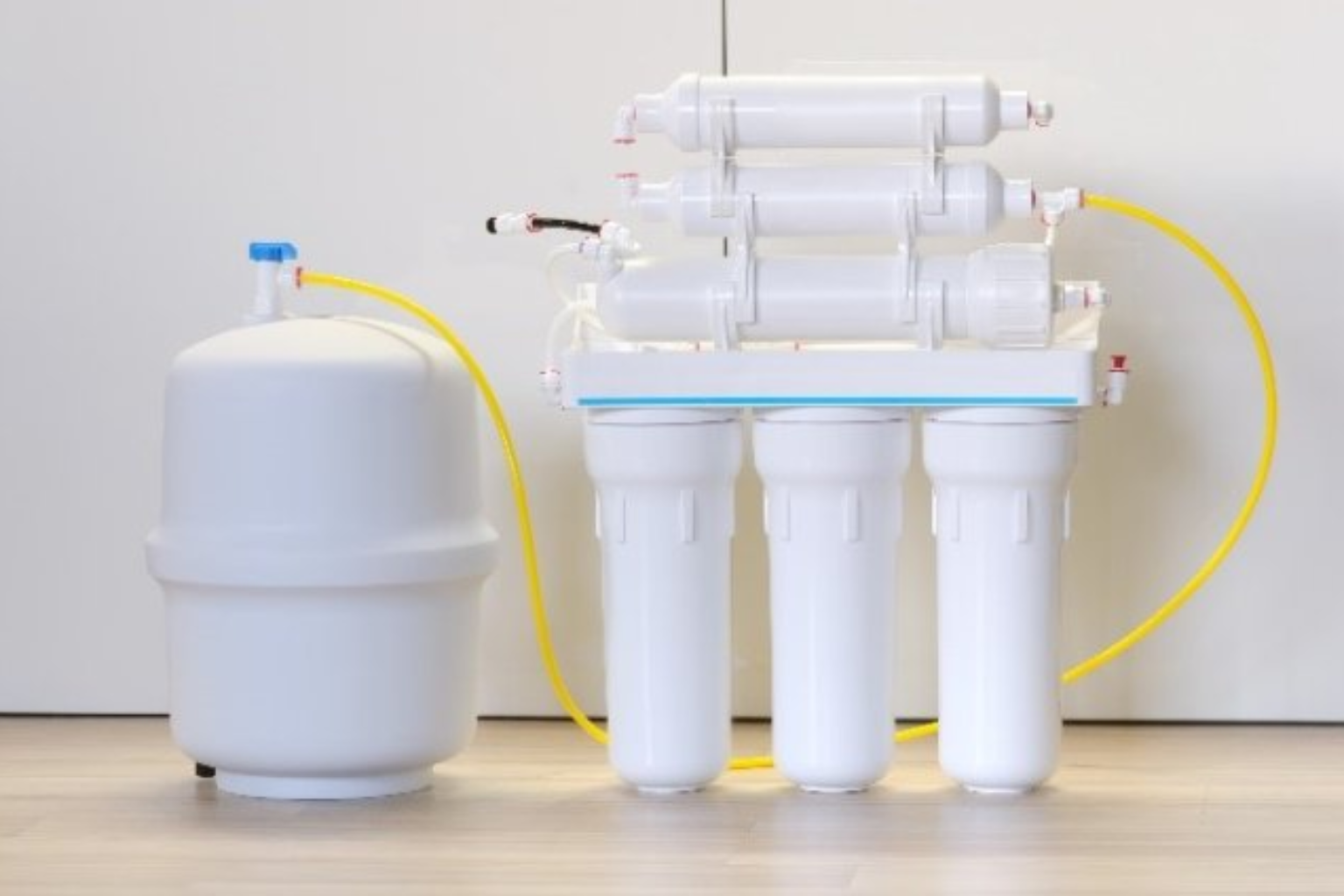
And the options? Plenty. From simple countertop filters to whole-house systems, there’s something for every kind of household. Some people prefer reverse osmosis, others stick with carbon filters. There’s no one-size-fits-all answer, and that’s okay.
Everyday Moments That Change
Here’s where it gets interesting. Once your water improves, you start noticing changes in unexpected places.
Your tea tastes sharper, more defined. Cooking feels easier because ingredients shine through. Even your skin might feel different after a shower—less dryness, fewer irritations. It’s not magic, just chemistry working in your favor.
And then there’s hydration. When water tastes good, you drink more of it. No forcing yourself, no reminders needed. It becomes natural again, like it should’ve been all along.
The Emotional Side of Clean Water
We don’t talk about this enough, but there’s an emotional layer to it. Clean, fresh-tasting water creates a sense of trust. You stop questioning every sip. You stop reaching for alternatives like soda or packaged drinks.
There’s also a quiet satisfaction in knowing you’ve made a small but meaningful upgrade to your daily life. It’s not flashy. No one’s going to compliment your water. But you’ll know.
And sometimes, that’s enough.
Choosing What Works for You
If you’re considering improving your water, don’t overcomplicate it. Start with your needs. Is it the taste that bothers you? The smell? Or just a general feeling that something’s off?
A basic filter might solve everything. Or maybe you’ll need something more advanced. The key is to keep it practical. You’re not building a lab—you’re improving your home.
Also, maintenance matters. Even the best system won’t help if filters aren’t replaced on time. It’s a bit like owning a car. Regular care keeps things running smoothly.
A Small Change That Stays With You
At the end of the day, water is one of those things we take for granted—until we don’t. It’s everywhere, yet deeply personal. The way it tastes, feels, even smells can shape your daily routine more than you realize.
And once you experience better water, going back feels… difficult. Not impossible, just less satisfying. Like switching from fresh food to something processed—you can do it, but you’ll notice.
So maybe this isn’t about water alone. Maybe it’s about paying attention to the small details that quietly shape your life. Because sometimes, the simplest changes—like a cleaner glass of water—end up making the biggest difference.
About the Author