water treatment services
There’s a funny thing about water at home — it’s so constant that we rarely stop to think about it. It’s just there. Flowing from taps, filling kettles, running through washing machines, splashing in showers. Reliable, predictable, almost invisible in our daily routines.
But every now and then, something small draws attention to it. Maybe the soap doesn’t lather quite right. Maybe glasses come out of the dishwasher with faint spots. Or the shower leaves your skin feeling tight instead of refreshed.
These aren’t dramatic problems. They’re subtle. Easy to ignore. Yet they often point to something deeper: water quality that could be improved.
And more homeowners are beginning to notice.
Why Water Quality Is About More Than Drinking
When people think about water treatment, they usually picture drinking water first. It makes sense — what we consume directly feels most important.
But water affects far more than hydration.
It touches nearly every part of home life: cooking, cleaning, laundry, bathing, and even the longevity of plumbing systems and appliances.
Mineral-heavy water can cause buildup inside pipes. Chlorinated water can alter taste and dry out skin. Sediment can gradually clog fixtures, reducing water pressure over time.
Addressing these issues isn’t just about safety. It’s about making everyday life smoother, more comfortable, and surprisingly more efficient.
The Growing Interest in Professional Support
Many homeowners start their water improvement journey after noticing persistent minor frustrations.
They might try simple fixes first — replacing filters, experimenting with bottled water, or adjusting cleaning routines.
Eventually, they realize the problem isn’t a single appliance or habit. It’s the water itself.
This is often when they begin exploring water treatment services, seeking expert evaluation rather than relying on guesswork.
Professionals can test water, identify specific issues, and recommend targeted solutions tailored to the home’s conditions. This step alone often brings clarity — turning vague frustrations into clear, solvable problems.
How Hard Water Quietly Affects Daily Life
One of the most common water challenges is hardness.
Hard water contains dissolved minerals like calcium and magnesium. These minerals aren’t harmful to health, but they can create a range of everyday inconveniences.
Soap requires more effort to lather. Clothes may feel stiff after washing. Over time, mineral deposits can accumulate inside water heaters and dishwashers, reducing efficiency.
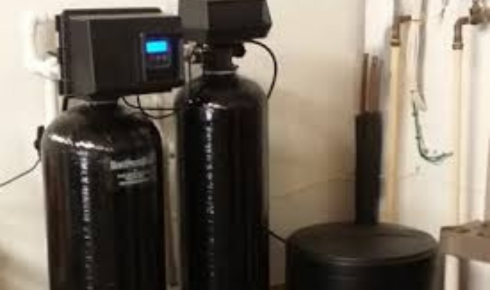
This is where high efficiency softeners come into play. Unlike older systems, modern softeners use less salt and water while delivering consistent results.
Homeowners often describe the difference as immediate yet subtle — softer laundry, easier cleaning, smoother-feeling showers.
It’s the kind of improvement you don’t fully appreciate until you experience it.
The Appeal of Treating Water at the Source
Another approach gaining popularity is treating water at the point where it enters the home.
Instead of addressing individual taps or appliances, this method focuses on improving water quality for the entire household.
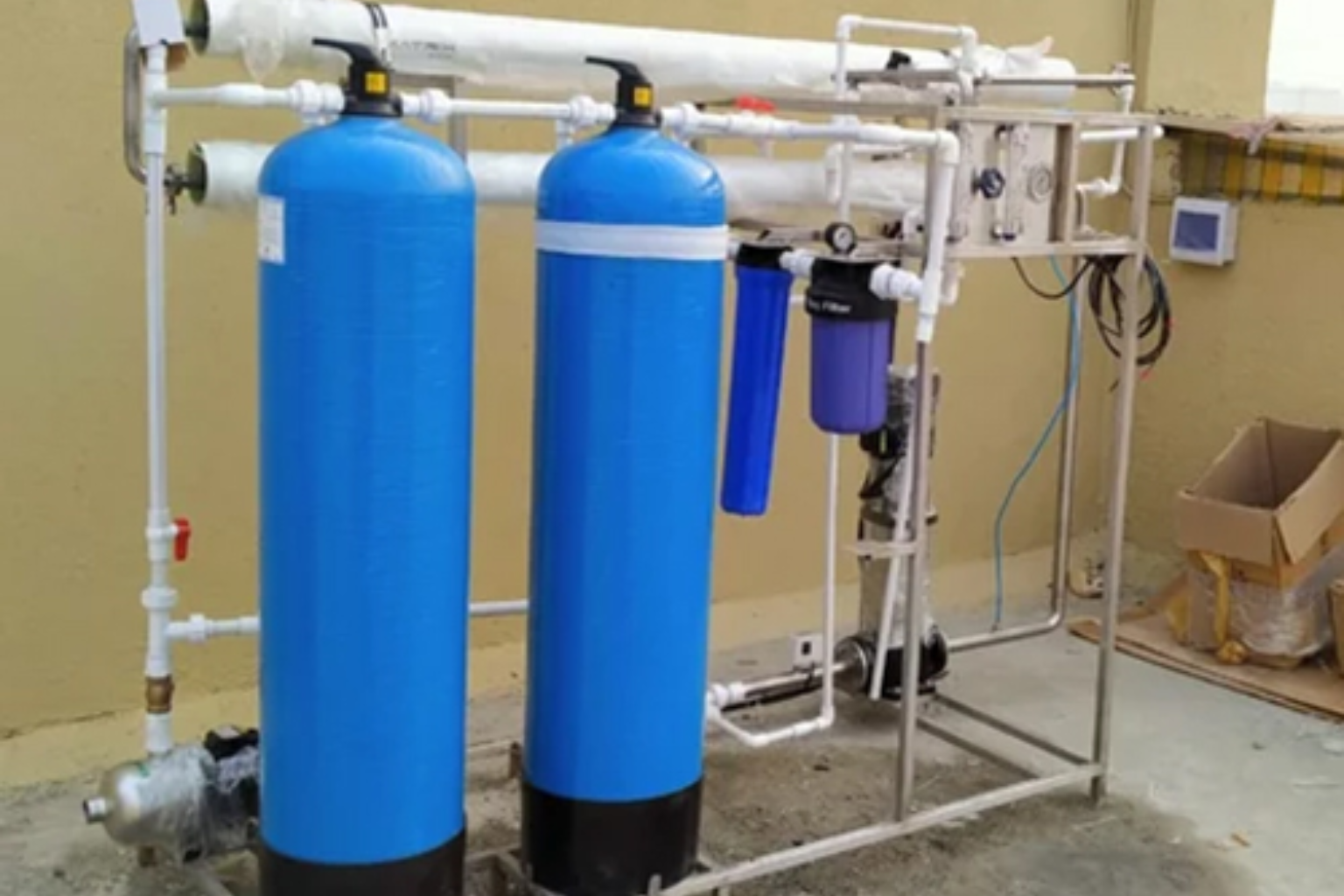
Installing whole home filtration systems allows every faucet, shower, and appliance to benefit from cleaner, more consistent water.
This approach often appeals to families looking for comprehensive solutions rather than piecemeal fixes.
It simplifies maintenance while providing a consistent level of water quality throughout the home.
Emotional Comfort and Everyday Confidence
There’s also a less obvious benefit to improving water quality — emotional reassurance.
Water is deeply connected to our sense of home. It’s part of daily rituals: morning coffee, evening showers, cooking meals for loved ones.
When water feels reliable and clean, it fades into the background where it belongs.
But when doubts arise — about taste, smell, or quality — they can create subtle unease.
Improving water quality often restores that quiet confidence, allowing families to use water freely without second-guessing.
Long-Term Benefits Beyond Immediate Comfort
Better water quality can also produce long-term advantages that aren’t immediately visible.
Appliances exposed to softer, filtered water often last longer. Plumbing systems experience less scale buildup, reducing maintenance costs.
Cleaning becomes more effective, meaning homeowners may use less detergent and fewer harsh chemicals.
Over time, these practical benefits can offset the initial investment in water treatment systems.
Why More Homeowners Are Taking a Proactive Approach
In recent years, there’s been a shift toward preventative home care.
Instead of waiting for problems to become serious, homeowners are choosing to assess and improve conditions before they cause damage.
Water quality fits naturally into this mindset.
Routine testing and proactive treatment help identify potential issues early, preventing more significant complications later.
This approach reflects a broader trend — treating water quality as part of overall home wellness.
Balancing Technology and Simplicity
Modern water treatment technologies have become increasingly advanced, but the best systems remain simple to use.
Homeowners aren’t looking for complex setups that require constant monitoring.
They want reliable solutions that operate quietly in the background, delivering consistent results without disrupting daily routines.
Today’s systems are designed with this balance in mind — combining efficiency with ease of maintenance.
The Quiet Impact of a Small Change
Improving water quality rarely produces dramatic transformations overnight.
Instead, it creates a series of small, positive changes that accumulate over time.
Dishes look cleaner. Showers feel more refreshing. Appliances run more smoothly. Water tastes better.
Individually, these improvements may seem minor. Together, they significantly enhance daily comfort.
Final Thoughts: Paying Attention to What We Often Overlook
Water is one of the most essential yet overlooked elements of home life.
Because it’s so familiar, we tend to accept its quality without question.
But taking a closer look can reveal opportunities to improve comfort, efficiency, and long-term reliability.
By understanding water conditions and exploring tailored solutions, homeowners can transform something ordinary into something quietly exceptional.
About the Author