It’s one of those days. You’re finally home after slogging through relentless traffic, the sun’s still beating down like it has a personal vendetta, and all you want is a blast of crisp, cold air. But instead, your AC wheezes, grumbles, and throws out a weak puff of lukewarm nothingness. Yeah, we’ve all been there—and it sucks.
Before you spiral into panic mode and call every HVAC technician within a 10-mile radius, let’s take a moment to understand what could be going on. Diagnosing AC issues isn’t always rocket science, and a little knowledge might save you both time and money.
The Subtle Art of Listening to Your AC
Believe it or not, your air conditioner talks to you. Not in creepy whispers or cryptic beeps, but through its behavior. It rattles, groans, blows odd smells, or simply doesn’t cool like it used to. These are the cries for help, and if you pay attention, you can often catch a problem before it becomes a full-blown crisis.
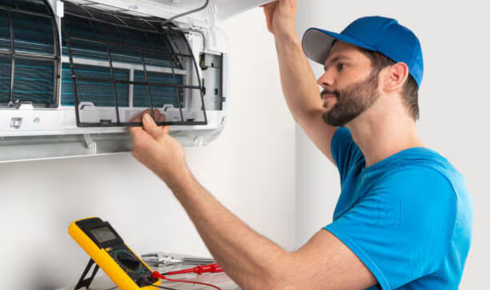
This is where cooling system diagnosis plays a pivotal role. It’s not just about poking around the unit—it’s about understanding airflow, refrigerant levels, coils, filters, thermostats, and even the electrical circuitry. Think of it like your AC’s health check-up. You wouldn’t ignore chest pain or blurry vision, right? Your AC deserves the same proactive approach.
The Usual Suspects Behind AC Meltdowns
Most AC breakdowns aren’t random. There’s usually a trail of breadcrumbs leading to the cause.
- Clogged air filters: Often the simplest culprit. A dirty filter restricts airflow, making your system overwork and under-deliver.
- Low refrigerant: This one’s a biggie. If your refrigerant is leaking or insufficient, your AC can’t cool properly, period.
- Thermostat issues: Sometimes it’s not the AC at all—it’s your thermostat being out of calibration or placed in a spot where it reads temps wrong.
- Dirty condenser coils: Located outside, these coils disperse heat. If they’re coated in grime, your system has to work overtime.
- Frozen evaporator coils: Ironically, freezing coils prevent cooling. It’s usually due to poor airflow or low refrigerant.
- Tripped circuit breakers: Electrical hiccups are common, especially in older systems.
Every one of these issues is addressable, but they require the right approach—not blind guesswork.
When Your AC Gives Up: Smart First Steps
It’s tempting to slam buttons on the remote and yell “Fix yourself!” when your unit fails. (Spoiler: it won’t.) Instead, here are some human-friendly steps to try first:
- Check the thermostat settings – Is it on “Cool”? Is the temperature set right? It sounds basic, but you’d be surprised.
- Inspect the filter – A quick visual check can reveal if it’s clogged.
- Look at the outdoor unit – Is it running? Is there visible debris?
- Listen for strange noises – Grinding, hissing, or banging? Jot it down or record it.
- Reset the circuit breaker – Sometimes, the simplest fix works.
If none of this works, that’s when you start thinking about ac breakdown solutions tailored to your situation.
Finding the Right Solution (Without Breaking the Bank)
Here’s the thing: not all breakdowns require a technician. Some just need routine maintenance or simple fixes like filter replacement or coil cleaning. Others, though, involve refrigerant recharge, electrical repairs, or replacing worn-out parts.
DIY is fine for basic maintenance, but complex issues like electrical diagnostics or refrigerant handling? Leave it to the pros. Not only because of safety, but because your AC warranty might depend on it.
And here’s where things get tricky—you don’t want to be the person who ends up overpaying for mediocre service. You need a trusted ac service provider. One that doesn’t upsell you on unnecessary replacements or vanish after a hasty fix. Read reviews. Ask friends. Look for certifications. Don’t just go with whoever promises to “come in 10 minutes” but shows up five hours later with zero tools.
Prevention is Cooler Than Cure
You know the old saying: “An ounce of prevention is worth a pound of cure.” That couldn’t be truer for air conditioning systems. Regular maintenance not only extends your AC’s lifespan, but it also saves energy—and energy means money.
Here’s a simple, realistic maintenance checklist:
- Change filters every 1–2 months (more often if you have pets)
- Clear debris from outdoor units
- Schedule professional inspection twice a year
- Check refrigerant levels annually
- Inspect ductwork for leaks
Yes, it’s a bit of a chore. But compare that to baking in a 100°F room with a dead unit, and suddenly maintenance seems like a walk in the park.
It’s Okay to Not Be an HVAC Genius
Let’s be honest: not everyone’s cut out to be a home repair hero. And that’s okay. We’re not all meant to tinker with fuses and fan motors.
What matters is knowing enough to recognize when something’s off—and having the common sense to act early. Waiting until your AC fully collapses in the middle of summer is like waiting to go to the dentist when your tooth’s already cracked. Painful. Expensive. Avoidable.
Your AC doesn’t expect you to become a technician. It just wants a little love, regular check-ins, and someone who listens when it starts acting up.
Wrapping It Up: Keep Your Cool, Literally
So, the next time your air conditioning goes rogue, don’t panic. Start with a little observation, try a couple of safe checks, and then bring in the right people if needed. A methodical approach beats random guesswork any day.
A comfortable, cool home isn’t just about luxury—it’s about well-being. And in the middle of a blistering heatwave, it’s nothing short of essential.
Whether you’re handling a mystery noise or full system failure, just remember: your AC’s not out to get you. It’s just trying to say, “Hey… I need a little help over here.”